
Malissa Napier, Interview


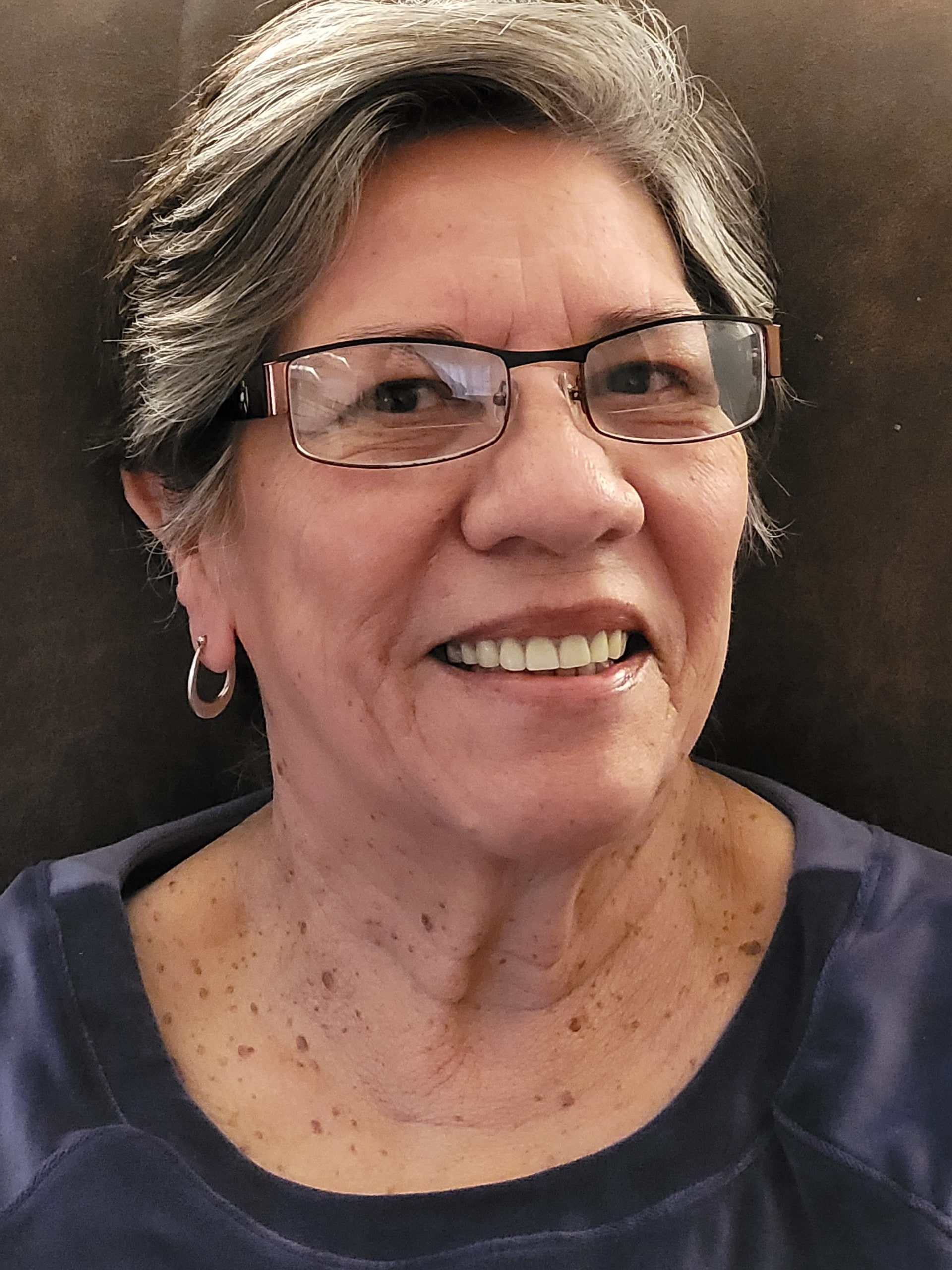
Image Metadata
|
Created: Thursday, May 11, 2023 - 09:45 |
||
Summary:
An interview with Muscogee (Creek) Nation citizen Malissa Napier. Description:
An interview with Muscogee (Creek) Nation citizen Malissa Napier. A downloadable transcript may be found by link: Malissa Napier. This interview has been indexed through the Louie B. Nunn Center for Oral History Center’s Oral History Metadata Synchronizer system at the University of Kentucky. For an indexed copy of the video, please follow the external link found in the bar on the right of this page.
Transcription:
The Muscogee (Creek) Nation
Historic and Cultural Preservation Department Oral History Program
“A Twenty-First Century Pandemic in Indian Country: The Resilience of the Muscogee (Creek) Nation Against Covid-19”
As Remembered by: Ms. Malissa Napier
Interview by: Ms. Midge Dellinger
Date: September 30, 2021
Transcription: The Audio Transcription Company
Edited by: Ms. Midge Dellinger
MIDGE DELLINGER: This is Midge Dellinger, oral historian for the Muscogee Nation. Today is September 30, 2021. And I am at my home in Tulsa, Oklahoma, interviewing Muscogee citizen, Ms. Malissa Napier, who is also at her home in Wagoner County, Oklahoma. This interview is being performed remotely due to the continuing COVID-19 pandemic. I’m performing this interview on behalf of the Muscogee Nation Historic and Cultural Preservation Department for the oral history project titled “The Twenty-First Century Pandemic in Indian Country: The Resilience of the Muscogee Creek Nation against COVID-19.” Ms. Napier, thank you so much for taking time out of your day to participate in this project and be here with me over telephone. We’re doing this by way of the phone this morning, which I think is really cool that we can do this this way. I’m going to start out by asking you some questions about your personal life and your background. [00:01:00] And I’d like to begin by asking you what is your tribal town and clan?
MALISSA NAPIER: I really don’t know for sure. I do know that my grandmother is listed as Chaha and I would like to find out more information about it. But that’s about it. I’ve been told two different things, so I’m not sure.
DELLINGER: Now, where were you born?
NAPIER: In Claremore, Oklahoma, at the Indian Hospital.
DELLINGER: And where were you folks living at the time of your birth? NAPIER: Right where I am now.
1
DELLINGER: Out there in Wagoner County, outside of Wagoner, Oklahoma.
NAPIER: Yes, this is restricted property. It’s actually my [00:02:00] grandfather’s original place.
DELLINGER: Right, so his allotment?
NAPIER: Yes.
DELLINGER: Now, is that where you grew up?
NAPIER: Until, I believe, I was in the second grade when we moved.
DELLINGER: And then where did you go then?
NAPIER: We move to Coweta. My grandmother was living in Coweta. She moved from here because she had health problems, and then, she’d had her second stroke, and needed some constant care, so we moved in with her.
DELLINGER: I see. Now, will you share a little bit about who your parents were, and what were their occupations?
2
NAPIER: My mother was Ethel Perryman, and she was a housekeeper. My father, he farmed periodically, [00:03:00] with the assistance of my mother and two older brothers. And during the war, he worked—well, he called it the powder plant in Pryor, Oklahoma, and then, he went to California and worked in shipyards for a while.
DELLINGER: And what’s your father’s name?
NAPIER: Sam Perryman. Sam W. Perryman.
DELLINGER: Okay. And now, when he went to California, did the family go to California or did you stay here in Oklahoma?
NAPIER: Oh, no. We had livestock and crops to care for, so we had to remain here. DELLINGER: And Malissa, do you have any siblings?
NAPIER: Yes, I do. There were three girls, of which I am the oldest, and five boys. DELLINGER: Oh, so you [00:04:00] have a large family.
NAPIER: We had a large family, yes.
DELLINGER: Okay. And now, do any of those siblings still live close by?
3
NAPIER: My two sisters live in Coweta, which is not very far from here. And my living brother lives in Tulsa. All the others are deceased.
DELLINGER: Will you share just a little bit what life was like growing up in Coweta?
NAPIER: In Coweta? It was a very small town. Unfortunately, we were very poor, and did not have a vehicle because during that period of time, Daddy was working in Tulsa, during the first few parts of our years. And so, we walked. We walked continually. Anywhere we went, we walked. And I [00:05:00] guess I had a very good childhood, quite frankly, in some ways. My brothers and I played ball with the neighbors, and we worked hard in the garden. And I enjoyed school, very much. It gave me an opportunity—coming from a rural area where we didn’t see people but once every two weeks, other than when I was in school, it was exciting, all the people that were there. My other grandmother was nearby. So, I had two grandmothers. That was really kind of something. And we got to go to the movies, which cost a dime. I’m aging myself, girl. (laughter)
DELLINGER: Do you remember the name of the movie theater in Coweta, when you were growing up?
NAPIER: Oh, my goodness, no, I don’t.
4
DELLINGER: That just popped into my head. [00:06:00] I just was curious. So, you had a good childhood. That’s great. And growing up there in Coweta with your family and your folks and all your siblings. And so then, did you graduate from Coweta High School?
NAPIER: No, I attended school in Tahlequah, at Sequoyah. Then I attended school, before that, at Seneca Indian School, but we didn’t get along with Seneca. I was just too far away from the family and it was such a shock. I didn’t work out in Seneca.
DELLINGER: What age were you when you went to Seneca?
NAPIER: I was in seventh grade, going into the seventh grade.
DELLINGER: [00:07:00] So, prior to the seventh grade, though, you had been in public school? NAPIER: Yes, there in Coweta.
DELLINGER: And so, you went to Seneca, and then were you just there a year?
NAPIER: I wasn’t there a full year. I was one of those students that ran away, another girl and I, which was so stupid when I look back on it. But we both were unhappy. And she lived in Tulsa, and so, we left and were very fortunate and found a grandfatherly-type driver. He drove me all the way within three miles from my home. We were very, very, very fortunate. God was looking out for us is all I could say.
5
DELLINGER: But you know, you hear so many of those stories, of kids going to boarding schools and running away, [00:08:00] and you’re right, many of them weren’t that fortunate.
NAPIER: That’s right.
DELLINGER: Yeah. So, then you found yourself at Sequoyah. And so, you finished out there and graduated from Sequoyah?
NAPIER: No, I didn’t. I actually got married at the age of fifteen, mainly because my father was an alcoholic, unfortunately, and he progressively worsened as he got older. And so, it was a form of escape for me, to be honest with you. But we were married for almost twenty-two years, so I guess it worked out fairly well.
DELLINGER: Now, when we spoke previously you did talk a little bit about, I know that you did end up going to college.
NAPIER: Yes, I did. After my youngest child was [00:09:00] in the first grade. So, we have four children, two boys and two girls. And I decided I wanted to do something with my life other than just be at home. The children were growing up. So, I took my GED, and then I took an ACT test there in Muskogee, which is where we were living. And then, I started school in Bacone. Actually, I wanted to be an archaeologist all my life. But unfortunately, life got in the way. And I just had my accounting classes.
6
DELLINGER: Now, [00:10:00] was Bacone the only school that you went to?
NAPIER: No. I divorced, and years later, I wasn’t able to finish college there, so I attended Connors Junior College at that time, for, I think, probably two classes. And then, as the children were becoming teenagers, it became a little more difficult. Actually, I paid more attention to them then than I did when they were small, I think. They were growing up, themselves. And I was still very fortunate that I was able to grow up with my children, because I was so young. I had my first child at seventeen. And then life began. [00:11:00] I also attended OSU for one, two, I think possibly three computer classes, and I don’t even remember what the other one was, there was another class that I took. At this point, I can’t remember it.
DELLINGER: That’s okay. I’ll tell you what I want to do. Before we go any further, I’d like for you to share the names of your children.
NAPIER: My oldest is my daughter, Deborah Lynn. And then my next child was my son, Mark Lee, who is deceased. And then, I have my next daughter, which is Doreen. And then, my youngest, which is Melvin. He’s named after his grandfather, who had fathered twenty-four [00:12:00] children.
DELLINGER: Wow.
NAPIER: I can’t imagine that.
7
DELLINGER: Now, is that on your mom’s side or your dad’s side?
NAPIER: It’s on their father’s side, my husband’s side.
DELLINGER: Wow. Yeah, okay. I’m just sitting here thinking about that. Now, your children who are living, are they close by? Do you get to see them often?
NAPIER: Yes, I do. My oldest daughter is in Tulsa. My youngest daughter and I live together. And then, my son is just next door.
DELLINGER: And then what about grandchildren?
NAPIER: Oh, I have seven of those.
DELLINGER: Do you get to see them?
NAPIER: And I have great-grandchildren. And I enjoy them. I really enjoy [00:13:00] them.
DELLINGER: That’s good. Yeah, I just wanted to give you an opportunity to share a little bit about your family there. Now, when you finished your schooling, you went out into the world and did what?
8
NAPIER: Well, prior to starting college, I attended Virgil’s Beauty College there in Muskogee, and worked for a year, locally, in Muskogee and then we moved to Briartown, which is down south of Warner, and to Porum, and I had a shop in Porum for about three years, I guess. And then, once we started—my ex-husband was promoted. [00:14:00] He worked with the Oklahoma Highway Department. And so, he was promoted. In doing so, we had to move back near Muskogee, because the division wanted him was in Muskogee. And besides that, I always considered myself a country girl, I guess. I liked being out in the country. And from there, I worked, went to college, and kept my beauty shop open, and had some of my customers, actually, drive from Muskogee to Porum once a week. We would have a little dinner, and I would do their hair.
DELLINGER: Hair party.
NAPIER: Yes, it was. It was. There were three of them. And the lady that owned the Dairy Queen became a very good, [00:15:00] close friend of mine, and has since passed. But we just had a group of ladies, and sometimes we would have a glass of wine. We had a girl time.
DELLINGER: Yeah, that sounds great. Now, where is Porum? I don’t think I know where Porum is located.
NAPIER: Porum. Do you know where Whitefield is?
DELLINGER: No.
9
NAPIER: Do you know where Stigler is?
DELLINGER: Yes.
NAPIER: All right, between Warner and Stigler. But you’re still in Muskogee County.
DELLINGER: Right, okay. Yeah. Okay. And then, now, you had not shared with me before that you had your own hair salon and that you had spent some time doing that. We had talked more about your jobs with your accounting skills and abilities. [00:16:00] And didn’t you tell me that you worked for McDonnell-Douglas?
NAPIER: Not directly. I worked with Napco, who was an outside vendor for McDonnell Douglas at Rockwell. But I took a class in bidding and various others, and I also took some classes that they offered, just to be able to do their bid work. I had a very lucky time, I guess. My second husband’s family was able to help me, and most of the people that he had as his vendors were able to guide me in filling out the long paperwork that [00:17:00] goes with it. But it was a very interesting time, yes.
DELLINGER: Now, you worked for the Muscogee Nation.
NAPIER: Yes, I did.
10
DELLINGER: And when did you start? What year did you start working for the Nation?
NAPIER: Oh, my goodness. Sometime in the nineties, I would have to just really think about it. I went to work with Zedco thing first, as secretary and assistant to the staff there. And actually, I worked with Andrew Skeeter in grant work. I really enjoyed the grant work. It was so exciting and interesting. [00:18:00] And then, from there, I worked with the initial phase of starting the Travel Plaza. And once it was up and going, they didn’t need some of the staff and so, therefore, I was let go. And very fortunate enough that in the interim period, my youngest grandson was born, so I was able to be with my daughter and him. And then, let’s see. I worked with the Lighthorse and was a secretary there.
DELLINGER: I bet that was interesting.
NAPIER: Oh, that was. It was very enlightening to me, because as I said earlier, my father with his alcoholic problem, I had gained a lot of, [00:19:00] I guess, negative feelings about a lot of things that went on with the police force, mainly because he was very abusive towards my mother and I tried to call. And back in those days they didn’t do a lot of things for it. It’s like, your wife and your family, it was your business. Other than putting you in the hospital or killing you, they didn’t really seem to do too much. But I did enjoy it. I saw some things that made me realize that my family wasn’t something to be ashamed of. I was not ashamed of the family, per say, just the fact that [00:20:00] we had to go through what we did with my father and his problems. And so, therefore, I thought I was able to more or less help some of the people when they came in. I could talk to them when they had to wait or sympathize with them and
11
understand what they were saying. So, it was interesting. I was also able to help them get their first COPS grant. That was fun.
DELLINGER: Then, what after Lighthorse?
NAPIER: Actually, I was working with the Lighthorse, and then, working with the grant, and became very familiar with the Chief’s secretary, and from there, she asked if I would be interested, and, yes I was, because I felt very honored. Plus, [00:21:00] it was a different pay grade. So, I was very happy. And I worked until I retired in 2006.
DELLINGER: So, you took her position?
NAPIER: Yes, I did, when she retired I went to work in the front as, actually a secretary to the Second Chief at that point in time, they were both in the same office. And was very fortunate to maintain that job.
DELLINGER: Can you name off the Chiefs that you worked for?
NAPIER: Well, I’ve subbed in the office under Fife, very briefly, but I did. And then, I worked with Chief Beaver a portion of his first term, and then all of his second term, [00:22:00] and then Chief Ellis, during his first term. But I retired.
DELLINGER: So, you were in that position for a while. What year did you retire?
12
NAPIER: Two thousand and six.
DELLINGER: Two thousand and six. So, it’s been a little while ago since you’ve retired. NAPIER: Yes, it has.
DELLINGER: No, that’s fantastic that you spent so many years working for the Nation and providing your services to the Nation. And you just mentioned...
NAPIER: I thoroughly enjoyed it. I thoroughly enjoyed it.
DELLINGER: Yeah, that’s great. That’s great. So, in these years that you’ve been retired, and even today, how do you enjoy your time? What do you do? [00:23:00] Do you have any hobbies or interests that you engage with?
NAPIER: I guess I would have to say my family first, my children, grandchildren, and great grandchildren. I spend time with them. I enjoy cooking. I enjoy baking, particularly. And unfortunately, my health does not permit. My body’s betrayed me because I was very active. My youngest daughter and I used to go hiking. That’s something I had to eventually give up. But anyway, I enjoy sewing. I’ve done needlepoint. I’ve done macrame. I’m one of those people that, once I feel like I have gotten to a point that, I’m not going to say mastered, when I can do something that satisfies me, that I’ve accomplished it, then I want something else to do.
13
DELLINGER: Okay, that sounds good. Okay. Well, listen, I appreciate you sharing some of these things about your life and your background. [00:24:00] And I think what we’re going to do now is transition into some questions about your experiences with the COVID-19 pandemic. We are about twenty-one months into...
NAPIER: Oh, wait just a second. I’m sorry.
DELLINGER: No, that’s okay. Are you good?
NAPIER: Yes, I’m fine.
DELLINGER: Yeah, so we’re about twenty-one months into this COVID-19 pandemic. And I’m just wondering, do you remember when in 2020 you first heard about COVID-19?
NAPIER: Yes, I do. It was actually through my phone. I was reading the news and at that point [00:25:00] in time, I didn’t realize how deadly it was. It was something like, I’ve lived through the flu, when I was in school in Sequoyah, and we had a lot of people. We had to set up beds down in the basement because we had so many ill. So, I thought maybe it would be like that. And then, during school, we also had this polio, and then we had the vaccine come by. So, I’ve seen those things like that. I thought, “Well, it’s going to be something that’ll be bad, but it’ll soon be over.” But unfortunately, it’s still out there in such a bad way that many people are ill. And people are overworked in the hospitals. It’s just sad.
14
DELLINGER: Do you remember when that was in 2020 that you first became aware of [00:26:00] COVID-19?
NAPIER: March or April, I would say.
DELLINGER: Okay. And so, from what you just said, were you very concerned that it would make its way into Oklahoma and the Muscogee Nation and Wagoner County? What were your thoughts about that?
NAPIER: Oh, definitely. Definitely. At that point in time, I started following what was going on. And unfortunately, there was so much conflicting information out there. It was like, you have to keep digging and digging. And then, after a period of time I became concerned that everyone—[00:27:00] and I don’t have Facebook and I will not have Facebook, but my children would. And I would listen to them and there was so much out there that is all misleading. And in my opinion, those people are somewhat responsible for every death that has happened because they allowed themselves to be misled and did not follow their doctor’s and the science and information. They are the ones that are the professionals, not the common man.
DELLINGER: Yeah. so last year when all this hit and there was a lot of chaos, there was a lot of fear that people had, did you have any source that you did feel like you could rely on or trust?
15
NAPIER: There’s a site you can find, [00:28:00] the American Medical Society, or AMA, Association, whatever it is. And then, some of the medical people on the news, I would listen to that. And some of the written things in the newspapers. It was really frightening. When it first started, before, we are experiencing the Delta variant now, I thought it would be something that maybe would be over within a few months and everyone would become vaccinated once they developed the vaccine. But unfortunately, it didn’t happen. We still have a lot of confused people out there.
DELLINGER: Yeah. So, you said that you were listening to your children, [00:29:00] this was last year, and do you remember some of the conversations that you had with your children and your family about the pandemic?
NAPIER: Yes. My youngest daughter, and my youngest grandson, she’s his mother, he is a heart patient. He has a pacemaker. So, therefore, we became very, very vigilant in making sure that we did everything possible to protect his health. Because it was just a new thing with us, then. He didn’t have his pacemaker for very long and was still going through a lot of emergency room visits and everything. So, we [00:30:00] became very cautious about who we encountered and how we encountered them. And then, they started with this, we need a face mask, so we purchased a number of those so we could wash them in between and everything and keep them clean. I imagine we probably kept Clorox in business for a while (laughs) because we bought everything possible we could to disinfect. We disinfected the steering wheel in the car, and the doors, and the house. As I said, we took every precaution possible. The children, one, and I won’t say which, but one, tended to—well, let’s just put it this way. He just recently got his shot,
16
his inoculation. So, he didn’t, [00:31:00] I don’t think, realized that it was so bad until so many people in our lives had passed away from that, or suffered from the lingering bouts of it.
DELLINGER: So, what did you think when, last year, again, when the pandemic was really ramping up in our local area and we started hearing words like, “shelter-in-place,” and, “lockdowns,” like how did that make you feel?
NAPIER: It gave me goosebumps, quite frankly. I don’t believe I’ve ever encountered anything quite like that. Particularly when you would go to the grocery store and people were bulk buying, and very rude, some of them [00:32:00] were. I distinctly remember this one guy made a little girl, she didn’t cry, the little checkout girl, but she got tears in her eyes. At that point, we were shopping, and apparently, this gentleman, I don’t know how he managed to do it, but he had about six or eight packages of toilet tissues and paper towels and things in his cart. And the little girl informed him that she couldn’t check out but certain amounts. And he was very ugly to her. I mean, the language was horrible. And I just stood there, I guess, with my mouth open and thought, “How awful. How could you be so rude in public?” (laughs) But I guess I was concerned about the children [00:33:00] and then, my family, and my brothers and sisters were all older. And we became very cautious about where we went. And I guess I’m fortunate that I still live on the farm, because it is, as the one of the utility companies call, a remote area, and having that in Wagoner County is kind of difficult. But we’re in a very remote area. And so, we’ve been able to isolate ourselves to a certain degree, although last couple of years they’ve had their family reunion, and it’s our family reunion, but unfortunately, we had chosen to not attend
17
because we have a number of the family that has not been vaccinated. [00:34:00] And it’s not something I want to gamble with.
DELLINGER: So, you said that you have a daughter and a grandson that live with you. So, what was that like for the three of you? Because you did shelter-in-place, right?
NAPIER: Oh, definitely. Other than going back and forth to the doctor for doctor’s visits. And her health is not the best.
DELLINGER: So, for the three of you, was the shelter-in-place order—did it disrupt your life that much?
NAPIER: Oh, yes. It did. You go shopping because you think, “I want to go here today.” You can’t. You can’t [00:35:00] run to the store a couple of times a week, or whatever. You have to start buying things to last a period of time. There’s certain things that are perishable that you can’t buy and expect to last forever. And you learn to manage to do without some of those, at times, and go into the grocery store, or shopping early or very late, where maybe there’s not as many people there. And yes, it did. It did. Our entertainment. You didn’t get out and go places like you wanted to just for entertainment. You couldn’t go out to eat as much. [00:36:00] And it affected our visitation with our families, which we just, as you said, hunkered down and hoped it would end, but unfortunately, Delta popped its little head up.
18
DELLINGER: So, when you all were sheltering in place, how did you keep in touch with other family members, or they keep in touch with you?
NAPIER: My son and I would speak back and forth. And then, as Delta became more prevalent I wouldn’t even—I’m a hugger. And I wouldn’t even hug him because he was not vaccinated. And I said I wasn’t going to say it, but I did. It [00:37:00] was hard, particularly with the fact that my sister, my middle sister, or youngest sister, actually, let’s start with her, first, became a cancer patient during that period in time. So, I wasn’t able to visit with her. And then, my middle sister came down with COVID and was hospitalized off and on, and still suffers breathing problems, and uses oxygen. So, it was difficult. I couldn’t go on vacation. I have some friends in South Carolina that I have not been able to visit. It’s really made a lifestyle change.
DELLINGER: Now, Ms. Napier, [00:38:00] I want to ask you, what is your knowledge and understanding about COVID-19, including where it came from, if you can, and the effect that it has on the human body, if someone contracts it?
NAPIER: Where it came from, I think that’s still up in the air, as far as science is concerned. I have found out that it can be transmitted from animals to humans, and then, I think, possibly, from humans to animals. They are having problems with some of the zoos, now. And prior to that, I know they were saying it was all China, that’s still up in the air, [00:39:00] no one can prove it or disprove it. So, I guess I’m waiting on the final verdict on that, if we ever have one. I’m keeping an open mind on it.
19
DELLINGER: And then, what about its impact on the body?
NAPIER: Well, I would have to say, my friend in South Carolina, he was diagnosed with COVID. One morning, he got up and he thought he was catching a cold. His wife had, prior to that, had already passed away from it. Excuse me. And he thought he was catching a cold. And it hit him so suddenly that when they called the ambulance, [00:40:00] they weren’t sure where he got it, but the ambulance said probably from the ambulance itself, because those people are so busy, I feel so sorry for the healthcare workers. My grandson wanted to see if he could go back to work, his doctor was not really wanting him to do that. He was in the pharmacy as a pharmacy tech, and he was really doing so good, my youngest grandson that lived with me. He was working, and he had his Oklahoma license, his state license, as I said, and then, his national license.
So, he was really working in St. Francis, when his health problems with his heart, they were just too bad. And he wanted to [00:41:00] return to work because as one of the ladies where he had worked before said, “Hey, we’ve got people dropping like flies here.” And so, he thought if he could just work part-time, he would be happy. He enjoyed the interaction with the various people. Unfortunately, that didn’t happen. I think there was, my sister, hers was her lungs. She lost so much weight. She didn’t want to eat. Nothing tasted right. So, it affected, from what I’m finding out from my contacts there in South Carolina, his was weakness, and I think it affected his [00:42:00] mind, from what his children are saying. So, I guess more than anything, it affects their lungs, their breathing, but it still has other areas of your body it can affect. And I don’t know what causes it to affect one part and not the other, unless there’s a prior condition there
20
that it makes worse. I just don’t know. I’m not a medical expert. But it sounds like my sister is still very weak.
DELLINGER: Now, how long has it been since she got COVID?
NAPIER: About nine months.
DELLINGER: Yeah, that’s horrible because that is another part of it that people are getting it, some recover, and they fully recover, and others have this extended, very extended illness. [00:43:00]
NAPIER: Right. I have some relatives in Texas, I have a cousin who has expired from COVID. He went so suddenly. They said that he just couldn’t breathe. I don’t know if he ignored the symptoms or what. I know they were not vaccinated. They came for a visit here, probably within—I know within three weeks is when they came down ill. He drove my uncle up who is ninety, and he still is in the hospital, and he’s having breathing difficulties. I think he’s still on oxygen periodically and taking breathing exercises and has improved tremendously. He’s not in ICU now, but he has [00:44:00] a difficult time breathing.
DELLINGER: Yeah. Well, I am sorry to hear about these people in your family who have gotten COVID and they’re having these experiences. But I appreciate you sharing this information with us here today during this interview. I want to ask, so, have you been vaccinated?
21
NAPIER: Yes. As soon as possible.
DELLINGER: And why was it important to you?
NAPIER: Well, by the time the vaccine was available, it was very evident that you were foolish, in my opinion, to not be vaccinated. It was like playing Russian roulette. Okay, I’m [00:45:00] going to do this and I’ll be one of those that don’t get it. And then, we have those that believe for religious reasons, and I never complain about others, or remark about people worshipping, but I believe there’s a little misguided direction there. Also, for my family’s sake, for my loved ones, for seeing what my sister went through, it was just foolish, in my opinion, to not become vaccinated. We became vaccinated for polio, with the smallpox in school and various other things, measles. [00:46:00] And there was a stirring among the populous already about certain vaccinations before this happened, before COVID hit. And I had a distant relative mention that they didn’t want their children to be vaccinated. So, I cannot relate to that in any way, to be able to make a comment about it. It’s just beyond me to think of not being vaccinated. It’s selfish. Very selfish. If you say you love someone, you want to protect them. You want to take care of them. You want to be with them. And that’s just part of it, vaccinations. It’s part of vaccinations.
DELLINGER: What vaccine did you receive? [00:47:00]
NAPIER: Goodness, what is it? Marina, I believe?
22
DELLINGER: There’s Moderna, Pfizer...
NAPIER: Yeah, Moderna. Yeah, Moderna.
DELLINGER: The Moderna, okay. Did you have any side effects?
NAPIER: Slight, but not as much as even with the flu. I’ve had more side effects with the flu shots than I did that. I had a slight fever for probably a twenty-four-hour period, which in time I was able to take care of. A little bit of soreness in the area, but the lady at the Coweta Clinic, she’s a very good shot. (laughs) [00:48:00] I couldn’t hardly even tell.
DELLINGER: That’s good. How has the vaccine changed life for you?
NAPIER: It has helped me to visit somewhat more with those that are not out in the public as much. I no longer order some of the things that we need, we can actually go into a store, but then you have to be careful because there’s a lot of people there that still will not wear a mask, for whatever their reason is, and I think their reasons are varied about not masking. Quite frankly, I think, in my opinion, only, we have had a [00:49:00] previous leader, and some of the people that are in leadership in the country, in Senate and places, that did not believe in becoming vaccinated, and have stressed and pushed that thought so it’s became like a cult, let’s say. Are they looking to belong to something? I don’t believe in it. All right, that’s fine. There are things I don’t believe in, but I still do something to prevent something happening to me, or to my loved
23
ones, or to the people I come in contact with. You wouldn’t get out and say, “Well, I can’t see, but I’m going to drive down the road because that’s my privilege.”
DELLINGER: Along [00:50:00] these lines that you’re mentioning here, how do you think the Muscogee Nation leadership has handled the pandemic?
NAPIER: I think they have been fantastic. My grandson with the health problem was one of the first to receive his vaccination in Coweta. And then, shortly thereafter, because of my age, I was, and then my daughters were able to, and my other grandchildren have received theirs. My brothers and sisters, we have one sister that does not, but then she has a valid health reason. She was told that it might interfere with her cancer treatments.
DELLINGER: What about the health department itself, [00:51:00] the Muscogee Nation Health Department? How do you think they’ve performed?
NAPIER: Well, let me get a drink here, just a moment. My throat is very dry. Okay? DELLINGER: Okay, yes.
(pause)
NAPIER: I think there’s a lot to be said that they opened up the outdoor clinics, the indoor clinics, were got working. They have been very helpful in answering any questions, the
24
physician has been, mine has been—even though for a very short period in time, [00:52:00] my grandson had a health nurse come by and check on him for a while. Myself, I have mine by FaceTime with my doctor, the last two visits, and I’m having another one. This last one is by my choice. It was given to me. He said he would do it either way, whichever I wanted, and I chose to do it by phone rather than getting out because going to the emergency room, you see so many sick people, and you’re coughing, and you don’t know if they’re allergies or if they’re ill, becoming ill with COVID. And they tried to test people as much as possible prior to entering any of the clinics, or the emergency rooms, which is all they can do at the moment. [00:53:00] But I think they have gone out of their way. There’s some little glitches now that I’m sure they encountered.
But actually, to be honest with you, I think through the media, the news media and Facebook and their website, they have been able to keep our people informed, and a lot of our people have been able to get their vaccinations in a timely manner, and have chosen to, and I’m sure, like with my family, there’s some that’s not going to until whatever happens. I hope they come up with the [00:54:00] booster shot, because if it’s possible, I will be one of the first in line to try to get mine. My grandmother, my Indian grandmother, was very influential in my life. With that many children, she helped my mother, tremendously with the children, raising us. And since I was the first girl and there were two boys older than me, I spent a lot of time with my grandmother, and she taught me to listen to your body. And so, I’ve lived my life doing that. And she’d say, “If you say you’re hungry.” And she was very active. I wish I could walk at my age now, as she walked at her age. In her eighties, she would walk from one side of Coweta all the [00:55:00] way down to downtown, and then back. And it was slow, and she’d have her little stick, her walking stick. But she managed to do it. And she’d walk to her friend’s house to visit. I
25
have tried to stay as updated as possible about what is happening, what we can do to protect ourselves, and those that we come in contact with. Sometimes it’s very difficult. By going to the clinic, people meet you up front, and they give you a mask, and they’ve been very thorough. I have nothing but praise to say about our health clinic treatments, and how they’ve [00:56:00] handled this virus.
DELLINGER: Right, that’s great.
NAPIER: Getting our people vaccinated. We have a better vaccination rate among our tribal citizens than the State of Oklahoma does. And that’s saying a lot about our tribal leaders and our medical people.
DELLINGER: Yes. And our citizenship.
NAPIER: Yes, they’ve been active.
DELLINGER: Yes, that’s great. I’m glad you brought that up. I’m glad you mentioned that. That is...
NAPIER: I’m very proud of our tribe for that.
DELLINGER: Yes. Well, I’ll tell you what, Ms. Napier, we’re down to our last question of the interview. And so, for future generations of Muscogee who may find themselves trying to
26
survive a global health and economic crisis [00:57:00] like this COVID-19 pandemic that we have found ourselves in, what words of wisdom or advice can you share with them about living with and surviving such a catastrophic event?
NAPIER: Listen to those in the know, not to just idle gossip through your friends, whoever decides to tell you, “This is what’s happening.” Listen to science. Listen to the medical people. They’ve kept us safe. They’ve kept us through a lot of various illnesses that’s gone through this country. And if we would permit them, they would keep us safer through this one. Our tribe, I think that our tribal people are very resilient. We’ve had [00:58:00] to be, to survive this long. I think they would have to make decisions that they don’t ever think they will have to make. But those decisions—you know the term “no man is an island?” No man is. You’re going to encounter people. Those people may be ill. You may be ill. You can transmit it. We don’t know what we’ve got coming down the pipe. No one knows the future.
But as we become more of a global society, to travel from country to country, yes, we’re going to pick up things, such as the smallpox that really eradicated so many of our tribal people, and so many of our Native people here in [00:59:00] the United States when it was first brought over. You need to be vigilant, totally, constantly vigilant, and try to prepare yourself for doing
things that you hope you never have to do to prevent an illness, or goodness only knows what’s coming down, in the future. You have to. You have to be able to make the transition from becoming safe, to not so safe, and to prepare for it, not only just mentally, but I think spiritually, you have to prepare for it. You have to consider that you are not alone in this world. You may have to readjust some of your priorities, maybe just how you live from day-to-day. We’ve [01:00:00] done a lot within our family. Also baked bread. Of course, I did that a lot anyway, but
27
diabetes really prevents a lot—I don’t have it, thank goodness, but some of my children and grandchildren have it, so we watch our breads. And I dearly love my breads and desserts. But you have to make adjustments, not just in diet, but in your immediate environment, your social environment, your working environment. Be prepared to make those. Those are going to be sacrifices that you make for your safety, and for not just your family’s, immediate family’s safety, but for mankind’s safety itself. Does that sound all right? That’s my feelings about it, anyways.
DELLINGER: That was fantastic. [01:01:00] Those are amazing words of advice and wisdom that you just shared. And so, mvto for that, thank you so much. Yeah, powerful words to live by. So, Ms. Napier thank you again, so much, for taking time out of your day and doing this interview. I have thoroughly enjoyed it. Your thoughts and your words and your wisdom are very important, and anyone who listens to this interview is going to definitely learn from you and gain some wisdom from you. So, thank you so much.
NAPIER: Oh, you’re quite welcome. And I hope if I can help anybody, anybody anyway, to take care of their health, hey, when you become old, you’ll wish you had taken care of it a little bit better. [01:02:00] (laughter)
DELLINGER: Well, I’m going to listen to those words myself today. So, thank you very much.
NAPIER: Okay, have a good day.
END OF INTERVIEW
28
Historic and Cultural Preservation Department Oral History Program
“A Twenty-First Century Pandemic in Indian Country: The Resilience of the Muscogee (Creek) Nation Against Covid-19”
As Remembered by: Ms. Malissa Napier
Interview by: Ms. Midge Dellinger
Date: September 30, 2021
Transcription: The Audio Transcription Company
Edited by: Ms. Midge Dellinger
MIDGE DELLINGER: This is Midge Dellinger, oral historian for the Muscogee Nation. Today is September 30, 2021. And I am at my home in Tulsa, Oklahoma, interviewing Muscogee citizen, Ms. Malissa Napier, who is also at her home in Wagoner County, Oklahoma. This interview is being performed remotely due to the continuing COVID-19 pandemic. I’m performing this interview on behalf of the Muscogee Nation Historic and Cultural Preservation Department for the oral history project titled “The Twenty-First Century Pandemic in Indian Country: The Resilience of the Muscogee Creek Nation against COVID-19.” Ms. Napier, thank you so much for taking time out of your day to participate in this project and be here with me over telephone. We’re doing this by way of the phone this morning, which I think is really cool that we can do this this way. I’m going to start out by asking you some questions about your personal life and your background. [00:01:00] And I’d like to begin by asking you what is your tribal town and clan?
MALISSA NAPIER: I really don’t know for sure. I do know that my grandmother is listed as Chaha and I would like to find out more information about it. But that’s about it. I’ve been told two different things, so I’m not sure.
DELLINGER: Now, where were you born?
NAPIER: In Claremore, Oklahoma, at the Indian Hospital.
DELLINGER: And where were you folks living at the time of your birth? NAPIER: Right where I am now.
1
DELLINGER: Out there in Wagoner County, outside of Wagoner, Oklahoma.
NAPIER: Yes, this is restricted property. It’s actually my [00:02:00] grandfather’s original place.
DELLINGER: Right, so his allotment?
NAPIER: Yes.
DELLINGER: Now, is that where you grew up?
NAPIER: Until, I believe, I was in the second grade when we moved.
DELLINGER: And then where did you go then?
NAPIER: We move to Coweta. My grandmother was living in Coweta. She moved from here because she had health problems, and then, she’d had her second stroke, and needed some constant care, so we moved in with her.
DELLINGER: I see. Now, will you share a little bit about who your parents were, and what were their occupations?
2
NAPIER: My mother was Ethel Perryman, and she was a housekeeper. My father, he farmed periodically, [00:03:00] with the assistance of my mother and two older brothers. And during the war, he worked—well, he called it the powder plant in Pryor, Oklahoma, and then, he went to California and worked in shipyards for a while.
DELLINGER: And what’s your father’s name?
NAPIER: Sam Perryman. Sam W. Perryman.
DELLINGER: Okay. And now, when he went to California, did the family go to California or did you stay here in Oklahoma?
NAPIER: Oh, no. We had livestock and crops to care for, so we had to remain here. DELLINGER: And Malissa, do you have any siblings?
NAPIER: Yes, I do. There were three girls, of which I am the oldest, and five boys. DELLINGER: Oh, so you [00:04:00] have a large family.
NAPIER: We had a large family, yes.
DELLINGER: Okay. And now, do any of those siblings still live close by?
3
NAPIER: My two sisters live in Coweta, which is not very far from here. And my living brother lives in Tulsa. All the others are deceased.
DELLINGER: Will you share just a little bit what life was like growing up in Coweta?
NAPIER: In Coweta? It was a very small town. Unfortunately, we were very poor, and did not have a vehicle because during that period of time, Daddy was working in Tulsa, during the first few parts of our years. And so, we walked. We walked continually. Anywhere we went, we walked. And I [00:05:00] guess I had a very good childhood, quite frankly, in some ways. My brothers and I played ball with the neighbors, and we worked hard in the garden. And I enjoyed school, very much. It gave me an opportunity—coming from a rural area where we didn’t see people but once every two weeks, other than when I was in school, it was exciting, all the people that were there. My other grandmother was nearby. So, I had two grandmothers. That was really kind of something. And we got to go to the movies, which cost a dime. I’m aging myself, girl. (laughter)
DELLINGER: Do you remember the name of the movie theater in Coweta, when you were growing up?
NAPIER: Oh, my goodness, no, I don’t.
4
DELLINGER: That just popped into my head. [00:06:00] I just was curious. So, you had a good childhood. That’s great. And growing up there in Coweta with your family and your folks and all your siblings. And so then, did you graduate from Coweta High School?
NAPIER: No, I attended school in Tahlequah, at Sequoyah. Then I attended school, before that, at Seneca Indian School, but we didn’t get along with Seneca. I was just too far away from the family and it was such a shock. I didn’t work out in Seneca.
DELLINGER: What age were you when you went to Seneca?
NAPIER: I was in seventh grade, going into the seventh grade.
DELLINGER: [00:07:00] So, prior to the seventh grade, though, you had been in public school? NAPIER: Yes, there in Coweta.
DELLINGER: And so, you went to Seneca, and then were you just there a year?
NAPIER: I wasn’t there a full year. I was one of those students that ran away, another girl and I, which was so stupid when I look back on it. But we both were unhappy. And she lived in Tulsa, and so, we left and were very fortunate and found a grandfatherly-type driver. He drove me all the way within three miles from my home. We were very, very, very fortunate. God was looking out for us is all I could say.
5
DELLINGER: But you know, you hear so many of those stories, of kids going to boarding schools and running away, [00:08:00] and you’re right, many of them weren’t that fortunate.
NAPIER: That’s right.
DELLINGER: Yeah. So, then you found yourself at Sequoyah. And so, you finished out there and graduated from Sequoyah?
NAPIER: No, I didn’t. I actually got married at the age of fifteen, mainly because my father was an alcoholic, unfortunately, and he progressively worsened as he got older. And so, it was a form of escape for me, to be honest with you. But we were married for almost twenty-two years, so I guess it worked out fairly well.
DELLINGER: Now, when we spoke previously you did talk a little bit about, I know that you did end up going to college.
NAPIER: Yes, I did. After my youngest child was [00:09:00] in the first grade. So, we have four children, two boys and two girls. And I decided I wanted to do something with my life other than just be at home. The children were growing up. So, I took my GED, and then I took an ACT test there in Muskogee, which is where we were living. And then, I started school in Bacone. Actually, I wanted to be an archaeologist all my life. But unfortunately, life got in the way. And I just had my accounting classes.
6
DELLINGER: Now, [00:10:00] was Bacone the only school that you went to?
NAPIER: No. I divorced, and years later, I wasn’t able to finish college there, so I attended Connors Junior College at that time, for, I think, probably two classes. And then, as the children were becoming teenagers, it became a little more difficult. Actually, I paid more attention to them then than I did when they were small, I think. They were growing up, themselves. And I was still very fortunate that I was able to grow up with my children, because I was so young. I had my first child at seventeen. And then life began. [00:11:00] I also attended OSU for one, two, I think possibly three computer classes, and I don’t even remember what the other one was, there was another class that I took. At this point, I can’t remember it.
DELLINGER: That’s okay. I’ll tell you what I want to do. Before we go any further, I’d like for you to share the names of your children.
NAPIER: My oldest is my daughter, Deborah Lynn. And then my next child was my son, Mark Lee, who is deceased. And then, I have my next daughter, which is Doreen. And then, my youngest, which is Melvin. He’s named after his grandfather, who had fathered twenty-four [00:12:00] children.
DELLINGER: Wow.
NAPIER: I can’t imagine that.
7
DELLINGER: Now, is that on your mom’s side or your dad’s side?
NAPIER: It’s on their father’s side, my husband’s side.
DELLINGER: Wow. Yeah, okay. I’m just sitting here thinking about that. Now, your children who are living, are they close by? Do you get to see them often?
NAPIER: Yes, I do. My oldest daughter is in Tulsa. My youngest daughter and I live together. And then, my son is just next door.
DELLINGER: And then what about grandchildren?
NAPIER: Oh, I have seven of those.
DELLINGER: Do you get to see them?
NAPIER: And I have great-grandchildren. And I enjoy them. I really enjoy [00:13:00] them.
DELLINGER: That’s good. Yeah, I just wanted to give you an opportunity to share a little bit about your family there. Now, when you finished your schooling, you went out into the world and did what?
8
NAPIER: Well, prior to starting college, I attended Virgil’s Beauty College there in Muskogee, and worked for a year, locally, in Muskogee and then we moved to Briartown, which is down south of Warner, and to Porum, and I had a shop in Porum for about three years, I guess. And then, once we started—my ex-husband was promoted. [00:14:00] He worked with the Oklahoma Highway Department. And so, he was promoted. In doing so, we had to move back near Muskogee, because the division wanted him was in Muskogee. And besides that, I always considered myself a country girl, I guess. I liked being out in the country. And from there, I worked, went to college, and kept my beauty shop open, and had some of my customers, actually, drive from Muskogee to Porum once a week. We would have a little dinner, and I would do their hair.
DELLINGER: Hair party.
NAPIER: Yes, it was. It was. There were three of them. And the lady that owned the Dairy Queen became a very good, [00:15:00] close friend of mine, and has since passed. But we just had a group of ladies, and sometimes we would have a glass of wine. We had a girl time.
DELLINGER: Yeah, that sounds great. Now, where is Porum? I don’t think I know where Porum is located.
NAPIER: Porum. Do you know where Whitefield is?
DELLINGER: No.
9
NAPIER: Do you know where Stigler is?
DELLINGER: Yes.
NAPIER: All right, between Warner and Stigler. But you’re still in Muskogee County.
DELLINGER: Right, okay. Yeah. Okay. And then, now, you had not shared with me before that you had your own hair salon and that you had spent some time doing that. We had talked more about your jobs with your accounting skills and abilities. [00:16:00] And didn’t you tell me that you worked for McDonnell-Douglas?
NAPIER: Not directly. I worked with Napco, who was an outside vendor for McDonnell Douglas at Rockwell. But I took a class in bidding and various others, and I also took some classes that they offered, just to be able to do their bid work. I had a very lucky time, I guess. My second husband’s family was able to help me, and most of the people that he had as his vendors were able to guide me in filling out the long paperwork that [00:17:00] goes with it. But it was a very interesting time, yes.
DELLINGER: Now, you worked for the Muscogee Nation.
NAPIER: Yes, I did.
10
DELLINGER: And when did you start? What year did you start working for the Nation?
NAPIER: Oh, my goodness. Sometime in the nineties, I would have to just really think about it. I went to work with Zedco thing first, as secretary and assistant to the staff there. And actually, I worked with Andrew Skeeter in grant work. I really enjoyed the grant work. It was so exciting and interesting. [00:18:00] And then, from there, I worked with the initial phase of starting the Travel Plaza. And once it was up and going, they didn’t need some of the staff and so, therefore, I was let go. And very fortunate enough that in the interim period, my youngest grandson was born, so I was able to be with my daughter and him. And then, let’s see. I worked with the Lighthorse and was a secretary there.
DELLINGER: I bet that was interesting.
NAPIER: Oh, that was. It was very enlightening to me, because as I said earlier, my father with his alcoholic problem, I had gained a lot of, [00:19:00] I guess, negative feelings about a lot of things that went on with the police force, mainly because he was very abusive towards my mother and I tried to call. And back in those days they didn’t do a lot of things for it. It’s like, your wife and your family, it was your business. Other than putting you in the hospital or killing you, they didn’t really seem to do too much. But I did enjoy it. I saw some things that made me realize that my family wasn’t something to be ashamed of. I was not ashamed of the family, per say, just the fact that [00:20:00] we had to go through what we did with my father and his problems. And so, therefore, I thought I was able to more or less help some of the people when they came in. I could talk to them when they had to wait or sympathize with them and
11
understand what they were saying. So, it was interesting. I was also able to help them get their first COPS grant. That was fun.
DELLINGER: Then, what after Lighthorse?
NAPIER: Actually, I was working with the Lighthorse, and then, working with the grant, and became very familiar with the Chief’s secretary, and from there, she asked if I would be interested, and, yes I was, because I felt very honored. Plus, [00:21:00] it was a different pay grade. So, I was very happy. And I worked until I retired in 2006.
DELLINGER: So, you took her position?
NAPIER: Yes, I did, when she retired I went to work in the front as, actually a secretary to the Second Chief at that point in time, they were both in the same office. And was very fortunate to maintain that job.
DELLINGER: Can you name off the Chiefs that you worked for?
NAPIER: Well, I’ve subbed in the office under Fife, very briefly, but I did. And then, I worked with Chief Beaver a portion of his first term, and then all of his second term, [00:22:00] and then Chief Ellis, during his first term. But I retired.
DELLINGER: So, you were in that position for a while. What year did you retire?
12
NAPIER: Two thousand and six.
DELLINGER: Two thousand and six. So, it’s been a little while ago since you’ve retired. NAPIER: Yes, it has.
DELLINGER: No, that’s fantastic that you spent so many years working for the Nation and providing your services to the Nation. And you just mentioned...
NAPIER: I thoroughly enjoyed it. I thoroughly enjoyed it.
DELLINGER: Yeah, that’s great. That’s great. So, in these years that you’ve been retired, and even today, how do you enjoy your time? What do you do? [00:23:00] Do you have any hobbies or interests that you engage with?
NAPIER: I guess I would have to say my family first, my children, grandchildren, and great grandchildren. I spend time with them. I enjoy cooking. I enjoy baking, particularly. And unfortunately, my health does not permit. My body’s betrayed me because I was very active. My youngest daughter and I used to go hiking. That’s something I had to eventually give up. But anyway, I enjoy sewing. I’ve done needlepoint. I’ve done macrame. I’m one of those people that, once I feel like I have gotten to a point that, I’m not going to say mastered, when I can do something that satisfies me, that I’ve accomplished it, then I want something else to do.
13
DELLINGER: Okay, that sounds good. Okay. Well, listen, I appreciate you sharing some of these things about your life and your background. [00:24:00] And I think what we’re going to do now is transition into some questions about your experiences with the COVID-19 pandemic. We are about twenty-one months into...
NAPIER: Oh, wait just a second. I’m sorry.
DELLINGER: No, that’s okay. Are you good?
NAPIER: Yes, I’m fine.
DELLINGER: Yeah, so we’re about twenty-one months into this COVID-19 pandemic. And I’m just wondering, do you remember when in 2020 you first heard about COVID-19?
NAPIER: Yes, I do. It was actually through my phone. I was reading the news and at that point [00:25:00] in time, I didn’t realize how deadly it was. It was something like, I’ve lived through the flu, when I was in school in Sequoyah, and we had a lot of people. We had to set up beds down in the basement because we had so many ill. So, I thought maybe it would be like that. And then, during school, we also had this polio, and then we had the vaccine come by. So, I’ve seen those things like that. I thought, “Well, it’s going to be something that’ll be bad, but it’ll soon be over.” But unfortunately, it’s still out there in such a bad way that many people are ill. And people are overworked in the hospitals. It’s just sad.
14
DELLINGER: Do you remember when that was in 2020 that you first became aware of [00:26:00] COVID-19?
NAPIER: March or April, I would say.
DELLINGER: Okay. And so, from what you just said, were you very concerned that it would make its way into Oklahoma and the Muscogee Nation and Wagoner County? What were your thoughts about that?
NAPIER: Oh, definitely. Definitely. At that point in time, I started following what was going on. And unfortunately, there was so much conflicting information out there. It was like, you have to keep digging and digging. And then, after a period of time I became concerned that everyone—[00:27:00] and I don’t have Facebook and I will not have Facebook, but my children would. And I would listen to them and there was so much out there that is all misleading. And in my opinion, those people are somewhat responsible for every death that has happened because they allowed themselves to be misled and did not follow their doctor’s and the science and information. They are the ones that are the professionals, not the common man.
DELLINGER: Yeah. so last year when all this hit and there was a lot of chaos, there was a lot of fear that people had, did you have any source that you did feel like you could rely on or trust?
15
NAPIER: There’s a site you can find, [00:28:00] the American Medical Society, or AMA, Association, whatever it is. And then, some of the medical people on the news, I would listen to that. And some of the written things in the newspapers. It was really frightening. When it first started, before, we are experiencing the Delta variant now, I thought it would be something that maybe would be over within a few months and everyone would become vaccinated once they developed the vaccine. But unfortunately, it didn’t happen. We still have a lot of confused people out there.
DELLINGER: Yeah. So, you said that you were listening to your children, [00:29:00] this was last year, and do you remember some of the conversations that you had with your children and your family about the pandemic?
NAPIER: Yes. My youngest daughter, and my youngest grandson, she’s his mother, he is a heart patient. He has a pacemaker. So, therefore, we became very, very vigilant in making sure that we did everything possible to protect his health. Because it was just a new thing with us, then. He didn’t have his pacemaker for very long and was still going through a lot of emergency room visits and everything. So, we [00:30:00] became very cautious about who we encountered and how we encountered them. And then, they started with this, we need a face mask, so we purchased a number of those so we could wash them in between and everything and keep them clean. I imagine we probably kept Clorox in business for a while (laughs) because we bought everything possible we could to disinfect. We disinfected the steering wheel in the car, and the doors, and the house. As I said, we took every precaution possible. The children, one, and I won’t say which, but one, tended to—well, let’s just put it this way. He just recently got his shot,
16
his inoculation. So, he didn’t, [00:31:00] I don’t think, realized that it was so bad until so many people in our lives had passed away from that, or suffered from the lingering bouts of it.
DELLINGER: So, what did you think when, last year, again, when the pandemic was really ramping up in our local area and we started hearing words like, “shelter-in-place,” and, “lockdowns,” like how did that make you feel?
NAPIER: It gave me goosebumps, quite frankly. I don’t believe I’ve ever encountered anything quite like that. Particularly when you would go to the grocery store and people were bulk buying, and very rude, some of them [00:32:00] were. I distinctly remember this one guy made a little girl, she didn’t cry, the little checkout girl, but she got tears in her eyes. At that point, we were shopping, and apparently, this gentleman, I don’t know how he managed to do it, but he had about six or eight packages of toilet tissues and paper towels and things in his cart. And the little girl informed him that she couldn’t check out but certain amounts. And he was very ugly to her. I mean, the language was horrible. And I just stood there, I guess, with my mouth open and thought, “How awful. How could you be so rude in public?” (laughs) But I guess I was concerned about the children [00:33:00] and then, my family, and my brothers and sisters were all older. And we became very cautious about where we went. And I guess I’m fortunate that I still live on the farm, because it is, as the one of the utility companies call, a remote area, and having that in Wagoner County is kind of difficult. But we’re in a very remote area. And so, we’ve been able to isolate ourselves to a certain degree, although last couple of years they’ve had their family reunion, and it’s our family reunion, but unfortunately, we had chosen to not attend
17
because we have a number of the family that has not been vaccinated. [00:34:00] And it’s not something I want to gamble with.
DELLINGER: So, you said that you have a daughter and a grandson that live with you. So, what was that like for the three of you? Because you did shelter-in-place, right?
NAPIER: Oh, definitely. Other than going back and forth to the doctor for doctor’s visits. And her health is not the best.
DELLINGER: So, for the three of you, was the shelter-in-place order—did it disrupt your life that much?
NAPIER: Oh, yes. It did. You go shopping because you think, “I want to go here today.” You can’t. You can’t [00:35:00] run to the store a couple of times a week, or whatever. You have to start buying things to last a period of time. There’s certain things that are perishable that you can’t buy and expect to last forever. And you learn to manage to do without some of those, at times, and go into the grocery store, or shopping early or very late, where maybe there’s not as many people there. And yes, it did. It did. Our entertainment. You didn’t get out and go places like you wanted to just for entertainment. You couldn’t go out to eat as much. [00:36:00] And it affected our visitation with our families, which we just, as you said, hunkered down and hoped it would end, but unfortunately, Delta popped its little head up.
18
DELLINGER: So, when you all were sheltering in place, how did you keep in touch with other family members, or they keep in touch with you?
NAPIER: My son and I would speak back and forth. And then, as Delta became more prevalent I wouldn’t even—I’m a hugger. And I wouldn’t even hug him because he was not vaccinated. And I said I wasn’t going to say it, but I did. It [00:37:00] was hard, particularly with the fact that my sister, my middle sister, or youngest sister, actually, let’s start with her, first, became a cancer patient during that period in time. So, I wasn’t able to visit with her. And then, my middle sister came down with COVID and was hospitalized off and on, and still suffers breathing problems, and uses oxygen. So, it was difficult. I couldn’t go on vacation. I have some friends in South Carolina that I have not been able to visit. It’s really made a lifestyle change.
DELLINGER: Now, Ms. Napier, [00:38:00] I want to ask you, what is your knowledge and understanding about COVID-19, including where it came from, if you can, and the effect that it has on the human body, if someone contracts it?
NAPIER: Where it came from, I think that’s still up in the air, as far as science is concerned. I have found out that it can be transmitted from animals to humans, and then, I think, possibly, from humans to animals. They are having problems with some of the zoos, now. And prior to that, I know they were saying it was all China, that’s still up in the air, [00:39:00] no one can prove it or disprove it. So, I guess I’m waiting on the final verdict on that, if we ever have one. I’m keeping an open mind on it.
19
DELLINGER: And then, what about its impact on the body?
NAPIER: Well, I would have to say, my friend in South Carolina, he was diagnosed with COVID. One morning, he got up and he thought he was catching a cold. His wife had, prior to that, had already passed away from it. Excuse me. And he thought he was catching a cold. And it hit him so suddenly that when they called the ambulance, [00:40:00] they weren’t sure where he got it, but the ambulance said probably from the ambulance itself, because those people are so busy, I feel so sorry for the healthcare workers. My grandson wanted to see if he could go back to work, his doctor was not really wanting him to do that. He was in the pharmacy as a pharmacy tech, and he was really doing so good, my youngest grandson that lived with me. He was working, and he had his Oklahoma license, his state license, as I said, and then, his national license.
So, he was really working in St. Francis, when his health problems with his heart, they were just too bad. And he wanted to [00:41:00] return to work because as one of the ladies where he had worked before said, “Hey, we’ve got people dropping like flies here.” And so, he thought if he could just work part-time, he would be happy. He enjoyed the interaction with the various people. Unfortunately, that didn’t happen. I think there was, my sister, hers was her lungs. She lost so much weight. She didn’t want to eat. Nothing tasted right. So, it affected, from what I’m finding out from my contacts there in South Carolina, his was weakness, and I think it affected his [00:42:00] mind, from what his children are saying. So, I guess more than anything, it affects their lungs, their breathing, but it still has other areas of your body it can affect. And I don’t know what causes it to affect one part and not the other, unless there’s a prior condition there
20
that it makes worse. I just don’t know. I’m not a medical expert. But it sounds like my sister is still very weak.
DELLINGER: Now, how long has it been since she got COVID?
NAPIER: About nine months.
DELLINGER: Yeah, that’s horrible because that is another part of it that people are getting it, some recover, and they fully recover, and others have this extended, very extended illness. [00:43:00]
NAPIER: Right. I have some relatives in Texas, I have a cousin who has expired from COVID. He went so suddenly. They said that he just couldn’t breathe. I don’t know if he ignored the symptoms or what. I know they were not vaccinated. They came for a visit here, probably within—I know within three weeks is when they came down ill. He drove my uncle up who is ninety, and he still is in the hospital, and he’s having breathing difficulties. I think he’s still on oxygen periodically and taking breathing exercises and has improved tremendously. He’s not in ICU now, but he has [00:44:00] a difficult time breathing.
DELLINGER: Yeah. Well, I am sorry to hear about these people in your family who have gotten COVID and they’re having these experiences. But I appreciate you sharing this information with us here today during this interview. I want to ask, so, have you been vaccinated?
21
NAPIER: Yes. As soon as possible.
DELLINGER: And why was it important to you?
NAPIER: Well, by the time the vaccine was available, it was very evident that you were foolish, in my opinion, to not be vaccinated. It was like playing Russian roulette. Okay, I’m [00:45:00] going to do this and I’ll be one of those that don’t get it. And then, we have those that believe for religious reasons, and I never complain about others, or remark about people worshipping, but I believe there’s a little misguided direction there. Also, for my family’s sake, for my loved ones, for seeing what my sister went through, it was just foolish, in my opinion, to not become vaccinated. We became vaccinated for polio, with the smallpox in school and various other things, measles. [00:46:00] And there was a stirring among the populous already about certain vaccinations before this happened, before COVID hit. And I had a distant relative mention that they didn’t want their children to be vaccinated. So, I cannot relate to that in any way, to be able to make a comment about it. It’s just beyond me to think of not being vaccinated. It’s selfish. Very selfish. If you say you love someone, you want to protect them. You want to take care of them. You want to be with them. And that’s just part of it, vaccinations. It’s part of vaccinations.
DELLINGER: What vaccine did you receive? [00:47:00]
NAPIER: Goodness, what is it? Marina, I believe?
22
DELLINGER: There’s Moderna, Pfizer...
NAPIER: Yeah, Moderna. Yeah, Moderna.
DELLINGER: The Moderna, okay. Did you have any side effects?
NAPIER: Slight, but not as much as even with the flu. I’ve had more side effects with the flu shots than I did that. I had a slight fever for probably a twenty-four-hour period, which in time I was able to take care of. A little bit of soreness in the area, but the lady at the Coweta Clinic, she’s a very good shot. (laughs) [00:48:00] I couldn’t hardly even tell.
DELLINGER: That’s good. How has the vaccine changed life for you?
NAPIER: It has helped me to visit somewhat more with those that are not out in the public as much. I no longer order some of the things that we need, we can actually go into a store, but then you have to be careful because there’s a lot of people there that still will not wear a mask, for whatever their reason is, and I think their reasons are varied about not masking. Quite frankly, I think, in my opinion, only, we have had a [00:49:00] previous leader, and some of the people that are in leadership in the country, in Senate and places, that did not believe in becoming vaccinated, and have stressed and pushed that thought so it’s became like a cult, let’s say. Are they looking to belong to something? I don’t believe in it. All right, that’s fine. There are things I don’t believe in, but I still do something to prevent something happening to me, or to my loved
23
ones, or to the people I come in contact with. You wouldn’t get out and say, “Well, I can’t see, but I’m going to drive down the road because that’s my privilege.”
DELLINGER: Along [00:50:00] these lines that you’re mentioning here, how do you think the Muscogee Nation leadership has handled the pandemic?
NAPIER: I think they have been fantastic. My grandson with the health problem was one of the first to receive his vaccination in Coweta. And then, shortly thereafter, because of my age, I was, and then my daughters were able to, and my other grandchildren have received theirs. My brothers and sisters, we have one sister that does not, but then she has a valid health reason. She was told that it might interfere with her cancer treatments.
DELLINGER: What about the health department itself, [00:51:00] the Muscogee Nation Health Department? How do you think they’ve performed?
NAPIER: Well, let me get a drink here, just a moment. My throat is very dry. Okay? DELLINGER: Okay, yes.
(pause)
NAPIER: I think there’s a lot to be said that they opened up the outdoor clinics, the indoor clinics, were got working. They have been very helpful in answering any questions, the
24
physician has been, mine has been—even though for a very short period in time, [00:52:00] my grandson had a health nurse come by and check on him for a while. Myself, I have mine by FaceTime with my doctor, the last two visits, and I’m having another one. This last one is by my choice. It was given to me. He said he would do it either way, whichever I wanted, and I chose to do it by phone rather than getting out because going to the emergency room, you see so many sick people, and you’re coughing, and you don’t know if they’re allergies or if they’re ill, becoming ill with COVID. And they tried to test people as much as possible prior to entering any of the clinics, or the emergency rooms, which is all they can do at the moment. [00:53:00] But I think they have gone out of their way. There’s some little glitches now that I’m sure they encountered.
But actually, to be honest with you, I think through the media, the news media and Facebook and their website, they have been able to keep our people informed, and a lot of our people have been able to get their vaccinations in a timely manner, and have chosen to, and I’m sure, like with my family, there’s some that’s not going to until whatever happens. I hope they come up with the [00:54:00] booster shot, because if it’s possible, I will be one of the first in line to try to get mine. My grandmother, my Indian grandmother, was very influential in my life. With that many children, she helped my mother, tremendously with the children, raising us. And since I was the first girl and there were two boys older than me, I spent a lot of time with my grandmother, and she taught me to listen to your body. And so, I’ve lived my life doing that. And she’d say, “If you say you’re hungry.” And she was very active. I wish I could walk at my age now, as she walked at her age. In her eighties, she would walk from one side of Coweta all the [00:55:00] way down to downtown, and then back. And it was slow, and she’d have her little stick, her walking stick. But she managed to do it. And she’d walk to her friend’s house to visit. I
25
have tried to stay as updated as possible about what is happening, what we can do to protect ourselves, and those that we come in contact with. Sometimes it’s very difficult. By going to the clinic, people meet you up front, and they give you a mask, and they’ve been very thorough. I have nothing but praise to say about our health clinic treatments, and how they’ve [00:56:00] handled this virus.
DELLINGER: Right, that’s great.
NAPIER: Getting our people vaccinated. We have a better vaccination rate among our tribal citizens than the State of Oklahoma does. And that’s saying a lot about our tribal leaders and our medical people.
DELLINGER: Yes. And our citizenship.
NAPIER: Yes, they’ve been active.
DELLINGER: Yes, that’s great. I’m glad you brought that up. I’m glad you mentioned that. That is...
NAPIER: I’m very proud of our tribe for that.
DELLINGER: Yes. Well, I’ll tell you what, Ms. Napier, we’re down to our last question of the interview. And so, for future generations of Muscogee who may find themselves trying to
26
survive a global health and economic crisis [00:57:00] like this COVID-19 pandemic that we have found ourselves in, what words of wisdom or advice can you share with them about living with and surviving such a catastrophic event?
NAPIER: Listen to those in the know, not to just idle gossip through your friends, whoever decides to tell you, “This is what’s happening.” Listen to science. Listen to the medical people. They’ve kept us safe. They’ve kept us through a lot of various illnesses that’s gone through this country. And if we would permit them, they would keep us safer through this one. Our tribe, I think that our tribal people are very resilient. We’ve had [00:58:00] to be, to survive this long. I think they would have to make decisions that they don’t ever think they will have to make. But those decisions—you know the term “no man is an island?” No man is. You’re going to encounter people. Those people may be ill. You may be ill. You can transmit it. We don’t know what we’ve got coming down the pipe. No one knows the future.
But as we become more of a global society, to travel from country to country, yes, we’re going to pick up things, such as the smallpox that really eradicated so many of our tribal people, and so many of our Native people here in [00:59:00] the United States when it was first brought over. You need to be vigilant, totally, constantly vigilant, and try to prepare yourself for doing
things that you hope you never have to do to prevent an illness, or goodness only knows what’s coming down, in the future. You have to. You have to be able to make the transition from becoming safe, to not so safe, and to prepare for it, not only just mentally, but I think spiritually, you have to prepare for it. You have to consider that you are not alone in this world. You may have to readjust some of your priorities, maybe just how you live from day-to-day. We’ve [01:00:00] done a lot within our family. Also baked bread. Of course, I did that a lot anyway, but
27
diabetes really prevents a lot—I don’t have it, thank goodness, but some of my children and grandchildren have it, so we watch our breads. And I dearly love my breads and desserts. But you have to make adjustments, not just in diet, but in your immediate environment, your social environment, your working environment. Be prepared to make those. Those are going to be sacrifices that you make for your safety, and for not just your family’s, immediate family’s safety, but for mankind’s safety itself. Does that sound all right? That’s my feelings about it, anyways.
DELLINGER: That was fantastic. [01:01:00] Those are amazing words of advice and wisdom that you just shared. And so, mvto for that, thank you so much. Yeah, powerful words to live by. So, Ms. Napier thank you again, so much, for taking time out of your day and doing this interview. I have thoroughly enjoyed it. Your thoughts and your words and your wisdom are very important, and anyone who listens to this interview is going to definitely learn from you and gain some wisdom from you. So, thank you so much.
NAPIER: Oh, you’re quite welcome. And I hope if I can help anybody, anybody anyway, to take care of their health, hey, when you become old, you’ll wish you had taken care of it a little bit better. [01:02:00] (laughter)
DELLINGER: Well, I’m going to listen to those words myself today. So, thank you very much.
NAPIER: Okay, have a good day.
END OF INTERVIEW
28
Community:
Category:
Collections:
Original Date Description:
September 30, 2021Original Date:
2021 September 30thContributor:
Language:
EnglishRights:
All rights retained by the Muscogee (Creek) NationLicensing Options:

Attribution-NonCommercial-NoDerivatives 4.0 International (CC BY-NC-ND 4.0)
Source:
Muscogee (Creek) Nation Library and ArchivesExternal Links:
Identifier:
2021MCN.11.001Type:
Format: