Johnnie Duggins, Interview


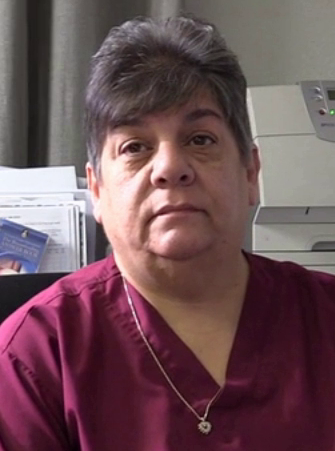
Image Metadata
|
Created: Tuesday, May 9, 2023 - 12:45 |
||
Summary:
An interview with Muscogee (Creek) Nation citizen Johnnie Duggins.Description:
An interview with Muscogee (Creek) citizen Johnnie Duggins . A downloadable transcript may be found by link: Johnnie Duggins. This interview has been indexed through the Louie B. Nunn Center for Oral History Center’s Oral History Metadata Synchronizer system at the University of Kentucky. For an indexed copy of the video, please follow the external link found in the bar on the right of this page.
Transcription:
The Muscogee (Creek) Nation
Historic and Cultural Preservation Department Oral History Program
“A Twenty-First Century Pandemic in Indian Country: The Resilience of the Muscogee (Creek) Nation Against Covid-19”
As Remembered by: Mrs. Johnnie Duggins
Interview by: Ms. Midge Dellinger
Date: December 20, 2022
Transcription: The Audio Transcription Company
Edited by: Ms. Midge Dellinger
MIDGE DELLINGER: This is Midge Dellinger, oral historian for the Muscogee (Creek) Nation. Today is December 20, 2022, and I am in Coweta, Oklahoma interviewing Muscogee citizen, Mrs. Johnnie Duggins. I am performing this interview on behalf of the Muscogee (Creek) Nation Historic and Cultural Preservation Department for the oral history project titled A Twenty-First-Century Pandemic in Indian Country: The Resilience of the Muscogee (Creek) Nation Against COVID-19. Mrs. Duggins, thank you so much for being here today and taking time out of your day to do this interview with me. We’re going to start with some questions about your life and your personal background, and so let’s being with what is your tribal town and clan.
JOHNNIE DUGGINS: Broken Arrow and Bird Clan.
DELLINGER: And Mrs. Duggins, where were you born?
DUGGINS: Claremore, Oklahoma.
DELLINGER: Were you born there at the Claremore Indian Hospital? DUGGINS: Yes, the old hospital.
DELLINGER: The old hospital, okay. Now, where did you [00:01:00] grow up? DUGGINS: Here in Coweta.
1
DELLINGER: So you are born and raised in Coweta, Oklahoma.
DUGGINS: Yes.
DELLINGER: Now, I want to ask you about your folks. Will you please tell me about each one of them?
DUGGINS: Like who? (laughs)
DELLINGER: Let’s start with your mom.
DUGGINS: Okay. Her name is Lucille Miller. She was born and raised in Broken Arrow, Oklahoma. What else do you want to know?
DELLINGER: Well, what else would you like to share about your mom? You shared quite a few things about your mom when we met before. Just tell me a little bit about her life, what you know about her life.
DUGGINS: Well, let’s see. I don’t know. She’s very involved with the community and the church and the [00:02:00] UMW. I share her with everybody. I have cousins that call her mom. Most everybody calls her Aunt Lu. All her sisters have passed so all my cousins always look to her, call her. She’s everybody’s mama or Aunt Lu. I don’t know.
2
DELLINGER: I want to ask you a question. What is the UMW?
DUGGINS: United Methodist Women for the United Methodist Church. But I think recently they have changed that after many years to Women of Faith. And she’s been involved with that in one way or another for as long as I can remember, and so was my grandmother.
DELLINGER: And what is the name of the church that your mother is—
DUGGINS: Broken Arrow Indian United Methodist Church. It was my grandma’s church. Mostly we grew up at Springtown United [00:03:00] Methodist Church. That’s where my grandfather was. And we kind of went to both but mostly we’d just go to Broken Arrow Indian United Methodist Church.
DELLINGER: With both of those churches, will you share those churches’ locations?
DUGGINS: The Broken Arrow Indian United Methodist Church is between Coweta and Broken Arrow. And Springtown United Methodist Church is between Coweta and Catoosa way out in the country.
DELLINGER: Since we’re talking about the churches—I’m always interested about our churches—do you know any history of either one or both of those churches?
3
DUGGINS: No, not really. Like what?
DELLINGER: Do you have any idea—for example, the [00:04:00] Springtown Church, when that church maybe was established, how long that church has been around?
DUGGINS: No, I really do not have any idea. My lifetime I know. But as before that, I have no idea.
DELLINGER: And the Broken Arrow Church, just to clarify, where is that church located?
DUGGINS: It’s on 141st Street between Coweta and Broken Arrow. DELLINGER: Does that church actually sit within Broken Arrow or is it Coweta?
DUGGINS: I think it’s in Coweta because it’s not quite to the county line, so I think the address is Coweta. It’s actually in Coweta but most people call it Broken Arrow because of where it’s located.
DELLINGER: Now, where did your mom attend high school?
DUGGINS: Broken Arrow High School.
4
DELLINGER: And do you have any idea what year she graduated?
DUGGINS: (laughs) No. [00:05:00] I know she didn’t actually. Let’s see, what year would it have been? I think if she had graduated it would’ve been around 1960.
DELLINGER: And then where did life take her after graduation?
DUGGINS: Pretty much stayed in Broken Arrow. She worked in and around Tulsa. I know she went to California for a while. That’s where she met and married her first husband.
DELLINGER: And what was his name?
DUGGINS: Sam Kelly. And then they came back here, had me, and then they separated and divorced years later. And then she remarried [00:06:00] her sweetheart that she had, and his name was George Miller. He was a preacher, and he also was born and raised here in Coweta and born and raised through Broken Arrow Indian United Methodist Church. And they were married for many years until he passed away in early 2000s, 2002 or ’04, I can’t remember.
DELLINGER: Do you happen to know how many years they were married?
5
DUGGINS: Not many. They dated for years before they actually got married. But they were married in ’81, possibly ’82, up until his death, so twenty years give or take.
DELLINGER: [00:07:00] Right, okay. Mrs. Duggins, is there anything that you would like to mention about Sam Kelly?
DUGGINS: No.
DELLINGER: Okay. Now, I want to ask you about your grandparents. Can you talk a little bit about each one of your grandparents?
DUGGINS: My mother’s parents, Dave Bible and Leona Grayson Bible Bemo. As far back as I can remember they had been divorced. My grandfather went to Springtown United Methodist Church, my grandma Broken Arrow Indian United Methodist Church. He was also a preacher and a bricklayer, builder, everything. We spent a lot of time out in Springtown, would [00:08:00] clean up the grounds, working, church on Sunday, all night singings, revivals, and fun times.
My grandmother lived here in Coweta. She moved from Broken Arrow to Coweta back when we were—well, like I said, me and my two brothers were raised here. We may have lived in Broken Arrow at the time that we were born, but I don’t remember that. And she worked around town. She worked in the laundry. She was involved in the Coweta community, also heavily involved in the church and the UMW. But she was a
6
homemaker. She raised one of her grandsons. I miss her. [00:09:00] She’s been gone a long time.
DELLINGER: Will you talk just a little bit about the Weer community and the spring?
DUGGINS: So, my grandmother grew up what they called the Weer community. Her parents had original allotted land out there, and there is a natural spring across the road from the property. And she was a Grayson. I do have a cousin—my oldest cousin has the property now, and we go out there sometimes. But that’s where she grew up, and even when we were little we spent a lot of time out there when my great grandfather was still alive.
DELLINGER: What was high school like for [00:10:00] you? Let’s talk about that time in your life.
DUGGINS: Terrible. (laughter) I attended Coweta Public Schools my whole life. High school was a bit hard for me. It was fine through middle school. Going into junior high wasn’t bad. But high school, things got harder. To me, I’m hoping it’s changed now. But then in the early eighties we just did not get the help we needed in school, and if you didn’t know it too bad, if you weren’t popular too bad. So I ended up leaving and going to Job Corps my last two years of high school and earning my GED and graduating from there. But I do [00:11:00] regret not doing everything in high school with all my friends
7
now, but at the time I couldn’t wait to get out of here. I never wanted to leave Coweta. I just wanted to leave the school.
DELLINGER: Now, where did you do Job Corps?
DUGGINS: Tahlequah. It was Talking Leaves Job Corps in Tahlequah. Loved it. DELLINGER: Are they still there?
DUGGINS: They’re still there. They have moved. I think they’ve got their own place now. At that time, they were on the NSU campus and had the facilities there. Now I think they’re out by the Tribal Complex now somewhere. But it was great. I enjoyed my time over there and got the help I needed.
DELLINGER: So you got your GED, and then were there any specific skills?
DUGGINS: I just [00:12:00] took business courses, your basic typing and filing and some accounting. But they had all kinds of programs over there that I could’ve went into and thought about but didn’t. I stuck with office stuff. But they had culinary arts and automotive stuff and welding. They had all kinds of things that you could do over there.
DELLINGER: So after you finished up at Job Corps and got your GED, where did life take you after that?
8
DUGGINS: Well, I got a job. I was doing my work experience at the mailroom for Cherokee Nation, and they wanted to hire me permanently. So I took it for a while, had to move because I couldn’t drive from Coweta to Tahlequah every day. So I got my first apartment in Hulbert, Oklahoma because there was nothing [00:13:00] to be had in Tahlequah because of the college. But every evening when I’d come home, my mama was sitting in the parking lot of my apartment building. And that went on for weeks, so I decided she wasn’t ready for her baby to leave. So I quit my job and moved back home and been in Coweta ever since and just worked here and there. I’ve done Smoke Shop; I’ve done convenient store, fast-food restaurants, grocery store. Because mostly I didn’t really have to work because my husband had a good job. But I just couldn’t stay home until I finally started to work for the tribe, and almost seventeen years. Love it.
DELLINGER: So, let’s see. Seventeen years, so that would’ve been around 2005. DUGGINS: Two thousand six.
DELLINGER: Two thousand six when you came to work for the nation. And will you talk a little [00:14:00] bit about that, the department and what your responsibilities are?
DUGGINS: Well, I do WIC and we deal with Women, Infant, and Children; pregnant women, breastfeeding women, babies, and children up to five. It’s a nutritional program, and it’s not for everyone. It is an income-based program. But we help them with any
9
questions they have on breastfeeding, through their pregnancy make sure they’re eating healthy. We provide breastfeeding supplies. And then naturally the foods so they can all eat what they need to eat and just help them any way we can. I know there’s more but— (laughs)
DELLINGER: Right, and so this is the work that you’ve been doing [00:15:00] for seventeen years now here in Coweta. That’s great. Just a couple minutes ago you mentioned that you have a husband. Who is your husband? Please tell me about him and your life together here in Coweta.
DUGGINS: So, I met my husband in, I think, ’89. We got married in 1990, still married. He’s a pipeliner, retired now. And we have one son, still lives at home with us. Mike grew up in—well, he actually grew up all over the United States because he comes from a family of pipeliners and they traveled. But they finally settled in Wagoner for the kids to finish high school, his siblings. [00:16:00] But I never met him even though he ran around in Coweta, knew a lot of people. But I didn’t meet him until, I think, ’89 and I guess I swept him off his feet. (laughter) Anyhow, we were married in the summer of 1990 and been married ever since. We have stayed here because I told him I wasn’t leaving Coweta, and he just traveled all over.
DELLINGER: So, you got married in 1990. I’m horrible at math. That’s thirty-two years, right—
10
DUGGINS: Right, yeah.
DELLINGER: —that you have been married. Is Mike still working now or is he retired at this point?
DUGGINS: No, he’s pretty much retired. He likes to deal in car parts. And so he’s wheeling and dealing in motors and car parts, buying something and fixing it up and selling it. So that’s [00:17:00] basically what he does now. He’s pretty much retired pipelining. But I think if the need arose and somebody called him, he’d be gone and I’d help him pack. (laughter)
DELLINGER: Tell me a little bit more about your son. What your son’s name?
DUGGINS: My son is Michael. He’s thirty-one, born and raised here, graduated from Coweta High School in 2010. He’s also done some pipeline with his dad. He’s a gamer, loves gaming. He’s not much of an outdoor person, or hasn’t been until recently. He’s just recently starting to go hiking and camping. He’s not a hunter. He loves guns but he’s not a hunter. He just likes to target shoot. He’s been working in a machine shop for the past year just to see [00:18:00] if he wanted to do anything besides pipeline, and he’s decided he wants to go back to pipelining. So, I figure that’s what’s going to happen sometime next year. He’ll be traveling again. He’s single. He’s a homebody. But he’s a good kid all the way around. Well, he’s a young man now.
11
DELLINGER: So how do you think that’s going to be for you?
DUGGINS: As long as he takes his dad with him, it’s going to be great. (laughter) If that’s the plan, they’re going to go together, and that way it’ll be on-the-job training because there’s nobody better to teach Michael the business than his dad. So, I think it’d be good for both of them.
DELLINGER: Yeah, okay. Mrs. Duggins, do you have any special interests or hobbies that you enjoy?
DUGGINS: Yeah. I read a [00:19:00] lot and I crochet. I’ve taught myself to crochet. Always wanted to, tried when I was young and just couldn’t get it. And just watching YouTube videos and asking a few friends and finally learned it. And I do that. I enjoy it. I make a lot of baby blankets and give them away. Other than that, I read. I love to cook when I’ve got the time.
DELLINGER: What do you enjoy? Do you have any specialties in the kitchen that you enjoy cooking?
DUGGINS: Well, over the past year I’ve been making pies from scratch from the crust to the fillings. And they’re turning out really good. As far as other food cooking, I just still cook [00:20:00] like I was taught. I fry everything. (laughter) Everything’s fried, fried, fried. But, yeah, the pies have been something I’ve really been in and enjoying it.
12
DELLINGER: Since we’re talking about cooking, have you ever made Muscogee traditional foods? Has that ever been anything you’ve done?
DUGGINS: Not really. My mama has. I like to eat it, but no. Like what exactly? Like frybread?
DELLINGER: Yeah, anything, frybread.
DUGGINS: I can fry it, but I’ve never actually made it. That’s always been my mama’s deal. She’s always done it and I’ve just been her fryer. I said, “One of these days, I need to get my hands in there and do it.” But, no, basically it’s fried chicken, fried [00:21:00] pork chops, fried potatoes.
DELLINGER: We’re just a few days, now, away from the Christmas holiday. What are your family’s Christmas traditional foods?
DUGGINS: Whatever. Most years it’s stew. Me and Mom usually make a big pot of stew. I’ve got different cousins that make other stuff. We don’t normally do Christmas day dinner. We always do Christmas Eve with the family. And it’s everybody just brings stuff and that’s what we’re doing this year. It’s either finger-foods, snacks, but we are having stew. Mom’s always done breakfast for me and my brother Christmas morning, which we’re not doing this year because it falls on Sunday and she’ll be at church.
13
[00:22:00] We’re giving everybody a break and not having to rush around Christmas morning. But that’s usually just scrambled eggs, bacon, sausage, biscuits, and gravy Christmas morning breakfast.
DELLINGER: Okay. I’m listening to you and I’m thinking, Why am I asking her these questions about food? I’m so hungry right now because everything we’ve been talking about. I just realized something. You just mentioned again a brother, and I have not asked you about siblings. So will you share a little bit about your siblings?
DUGGINS: I have three actually. But the brother I grew up with from my Mama, he was killed in a car wreck at the age of twenty-three in 1984.
DELLINGER: And what was his name?
DUGGINS: We called him Wolfie. His name was David Bible. She had him before she married [00:23:00] my dad. And like I said, we lost him in a car wreck at the age of twenty-three and he’s been gone all these many years. And then I have another brother, his name is Robert Bush. He actually belongs to my mama’s younger sister. She passed away when he was very young, and my grandma raised him and we all grew up together. We either all lived together or down the street or next door my whole life. And then when my grandma passed away, Bush went—we call him Bush. He went and lived with one of our older cousins for a while after my grandma passed. And then he got married young, had a couple of kids, and then divorced. Anyway, then he remarried to his current wife.
14
They’ve been married [00:24:00] longer than I have and had more children, got tons of grandchildren. And we just call each other brother and sister, and he calls Mom “Mom”.
And then we have another half-brother that he passed a year ago from cancer. We didn’t see him a lot because he was adopted. But in the last several years we got to be around him a whole lot more. But like I said, he passed a little over a year ago from cancer. And then I’ve got—like I said, all my first cousins I consider them my brothers and sisters because we all grew up together. We were all very close. Our children not so close, but my grandma’s grandchildren are all very close and still are. [00:25:00] And we’re the ones that all get together Thanksgiving, Christmas Eve at my mother’s because all of her siblings are gone except for one younger brother. So like I said, they call her Aunt Lu or Mom. Does that answer your question? Am I rambling?
DELLINGER: Yes. No, that was great. So, Mrs. Duggins, before we move on with our next part of the interview, is there anything else that you would like to share about yourself or any of your family members?
DUGGINS: Like what? I don’t know.
DELLINGER: That’s fine. So we will go ahead at this point and we’re going to transition here. And I’m going to ask you some questions that pertain to your experiences with COVID-19 and the [00:26:00] COVID-19 pandemic. When in 2020 do you remember first hearing about the COVID-19 virus and how did you first hear about it?
15
DUGGINS: Well, it was March I guess. Was that ’19? No, it was 2020 wasn’t it? DELLINGER: Yeah, 2020.
DUGGINS: I think just on the news and just kind of going, What is it? And then next thing I know we’re shutting down. They’re sending everybody home. I just can’t really remember. Did we talk about it? I don’t know.
DELLINGER: When you first heard about the COVID-19 virus, was it already in Oklahoma or was it still outside of Oklahoma somewhere?
DUGGINS: I think it had already hit Oklahoma because I think we’d been hearing about it for a little bit and wondering [00:27:00] what it was. And I believe it had already hit Oklahoma and it was all over the news. But I really wasn’t sure what’s what. You know, I really didn’t think much about it at the time until all of a sudden everything’s shutting down. And even we shut down and they sent us home. And then, you know, all these deaths.
DELLINGER: What were some of the initial conversations that you had with your family, friends, even coworkers about the COVID-19 virus?
16
DUGGINS: What is it, where’d it come from? I really just can’t remember a whole lot. Just wondering, Should we really be that worried? But [00:28:00] turns out we did have to be worried. And we took a lot of precautions, especially because my mom being eighty, you know, didn’t get to see her for a while. I wouldn’t go around her. But, yeah, everybody was really watching out for her. And then it just became full-blown panic everywhere to me. To me, even though there were a lot of deaths, the panic went a little too far. But then again, who knows. If they hadn’t have taken the precautions they did, would it have been worse? I don’t know.
DELLINGER: Yeah. So when local and state governments began lockdowns and shelter in place orders, which these are words that most of us have never heard or had to experience. What were your thoughts about those [00:29:00] safety measures?
DUGGINS: Well, I was kind of mixed because I didn’t think everything should’ve shut down, but then again spreading of the virus. At first I thought it was kind of crazy to shut everything down. But now looking back, maybe it was the best thing. But I think it went on too long. I don’t know. I hated wearing the mask (laughs) because I couldn’t breathe. But I didn’t mind staying at home either. That was kind of nice. Now my husband, it was hard keeping him at home. He thought the whole thing was ridiculous. (laughs)
DELLINGER: Okay. And in those early days of the pandemic [00:30:00] was there anything, and if there was what was it, that made you realize the severity of the virus?
17
DUGGINS: Well, I guess the news mostly and all the deaths. I just couldn’t believe. I don’t know if it was just because there was that many or they were just reporting it more so. Because listening to my son keeping up with everything, he said, “Yeah, it’s a lot of deaths,” he said, “But it’s no more than what the flu takes every year.” He said, “They’re just reporting it more.” I wasn’t really worried about myself, more worried about my mama because of her age and my husband because he’s not in great health either. What was the question?
DELLINGER: No, you’re good. Let me ask you this. How did COVID-19 [00:31:00] change life for you and your family?
DUGGINS: Well, just the way we, I guess, did things. You couldn’t go here. You couldn’t go there. And if you did, you—well, I know I cooked more because we couldn’t really go out. Restaurants were shut down and you really didn’t want to be out anyway. I know I didn’t. I don’t really know.
DELLINGER: So, was Mike still going out? Was he still traveling and doing his usual?
DUGGINS: At first. At first they were because they were trying to finish up. And they had to take extra precautions because I think he was somewhere down in Texas. And they just had to finish up what they were doing and then they sent them all home by— [00:32:00] I think he probably came home in June of ’20. And then I think he went back
18
out for a short time later that year. And then what he does was pretty much shutdown, and since then he’s just retired.
And we’ve all had COVID but none of us got it in ’20. We didn’t get it until early this year and it was very mild. So even though I’d been vaccinated but they hadn’t, still it was very mild case. Mom’s never had it as far as we know. She’s never tested positive. That was, I think, the hard part—the holidays that first year and the second year because we couldn’t come together as a family for Mother’s Day and Easter [00:33:00] and Thanksgiving and Christmas. Those were really hard in ’20 and also in ’21. I know we still had our Easter and Mother’s Day. But I cooked, Mom cooked, and my brother and his wife cooked, and we all met at Mom’s in the garage and fixed our stuff. She’s laid her stuff out on the table. I brought mine in. My brother brought his in. She got what she wanted, we got what we wanted, and we all left and went back home. That’s how we did the holidays in ’20 and ’21.
And it was hard not to do Christmas Eve those two years. No, we did do Christmas Eve last year. I think that was the first time the family was together was Christmas Eve last year, [00:34:00] and looking forward to it again this year. But, yeah, that was hard. That was one of the harder things; like I said, was holidays especially in ’20 and the early part of ’21. And ’22 has been better even though, like I said, we’ve gotten sick but nothing like it was when it first started. And I don’t know why, the strain getting weaker maybe.
19
DELLINGER: Now you mentioned—again, we’re back in the early time of the pandemic—that you were at home. So was the WIC office shut down or were you working from home?
DUGGINS: Part of us were working from home. When they sent us home it was March of ’20 and they sent us home. We didn’t have enough laptops [00:35:00] for all of us to work from home. And some of us, like me since I’m older and I’m diabetic—I was put
on admin leave from the end of March through April and May and most of June. And then I started working from home—it was either the end of June or first of July of 2020 when they got some more laptops in and got them set up. And so I worked from home. All of us worked from home because we’re on cards through WIC, so everything can be done online and over the phone. And we did that from—when did we go back? March of ’21? [00:36:00] Yes.
DELLINGER: A year later.
DUGGINS: Yeah, a year later went back to the office but we were still not seeing anybody in person. And if we did have to see them, like come pick up a card or a breast pump, we had to mask and glove up and take it to them outside to their vehicle.
DELLINGER: And the Muscogee Nation provided you the PPE?
20
DUGGINS: Yeah, everything. They provided us with everything. And it was fine working from home. If anybody needed anything I would go to the office, but that was very rare. It was different, and it’s still different. We’re still not fully open, but people can come in if they want to. But mostly we’re still working over the phone. Since we’re—[00:37:00] we follow federal guidelines and USDA keeps giving us extensions for working over the phone.
DELLINGER: So you mentioned that it was important to you to keep your mom safe. What exactly were some of the steps that you had to take to help keep your mom safe?
DUGGINS: Well, I did all of her shopping. She would make her list. She would usually set it out on the table in the garage. I would go by there, get it, talk to her through the door, go do her shopping, bring it back, put everything in the garage. Never went in the house unless—even masked up and all that, we just talked through the door or talked on the phone for—what—almost a year. [00:38:00] And she didn’t go anywhere. They shut church down so she couldn’t do that. She pretty much stayed home for a whole year. She did jigsaw puzzles. Different people would bring them to her and drop them off, and she did hundreds of jigsaw puzzles.
But she also had an iPad that she learned to play on, and she likes to do word searches. And basically just talk over the phone because at that time it was bad at the beginning, especially for older people. And we didn’t want her getting it, so she had no company and she didn’t go anywhere. I mean, she didn’t even go to the store. Like I said, I did all of
21
her stuff for her. And then I would have to mask up. Well, you had to anywhere. [00:39:00] Nobody would let you in if you weren’t wearing a mask. So we just did that and then we just stayed home, cooked. It was hard because we were used to going out and eating a lot. (laughs) But, yeah, I just started cooking more, staying home. It was hard keeping my husband at home though because he said that he wasn’t going to get it. I said, “No, but you could give it to the rest of us.”
DELLINGER: Were there any other family members that you were concerned about that you had to kind of keep tabs on?
DUGGINS: No, just mostly Mom. Everybody else had their own kids or grandkids checking on and everybody pretty much stayed home. Yeah, I didn’t really worry about anybody else, just my immediate family.
DELLINGER: Yeah. I’m interested to know about the church, your mom’s [00:40:00] church, Broken Arrow. Did they shut down pretty quickly or did they continue for a little—did they have an issue with people getting sick?
DUGGINS: Yeah, and I was trying to think when they shut—it was fairly quickly, but I don’t know if it was in March. But they got set up on Facebook, the preacher. And it would be him and one other person. I just can’t remember how soon they shut down. I can’t remember that far back. But I do know that they did the services live, posted them on Facebook, and it would just be him and one other at the church. He would do his
22
sermon and the ones that were able could watch it. Now, Mom couldn’t because she doesn’t do all that. She doesn’t do Facebook. She doesn’t have a computer. Her [00:41:00] iPad doesn’t have internet access. So she did her own deal Sunday morning or watched one of them on TV. And then they finally started opening back up. You had to be masked and there was no getting near anybody, no shaking hands, no nothing.
DELLINGER: But as far as you know, they didn’t lose anybody from COVID. DUGGINS: From COVID? Yeah, the pastor lost his wife.
DELLINGER: Oh, gosh.
DUGGINS: Let’s see. I think it was the following year. It wasn’t in ’20. I think it was sometime in ’21 she got it.
DELLINGER: What was her name?
DUGGINS: Her name was Cornelia McHenry. I don’t know how she got it, but it was pretty bad for her. And I think her health issues didn’t [00:42:00] help, and she passed. I was trying to think. We had other—who else from the church? She’s the only one that comes to mind from COVID that we lost, yeah. A lot of them have had it. But, like I said, me and my family had it but it was just a few days and it didn’t put us to bed or we weren’t end up at the hospital or nothing. So that was good. I think a lot of my family
23
members have had it. My brother and sister-in-law had it and they had to be hospitalized. But I think they only hospitalized them because of their diabetes and their age. But they was only in there for two days just as a precaution, which was surprising because the hospitals were full, but at that time they [00:43:00] weren’t.
DELLINGER: Since we’re talking about this now, people having COVID, will you share what is your knowledge and understanding about COVID-19 and what it can do to the human body if someone contracts it?
DUGGINS: Well, I don’t know. I’m not really read up on it. I think it affects everybody different.
DELLINGER: What are some of the symptoms that you’ve been aware of that people have gone through?
DUGGINS: It messes with their breathing. A lot of them have to be put on oxygen. They can’t breathe. What else is it? I can’t really remember.
DELLINGER: When you and [00:44:00] Mike and Michael—you said you had it. And thank goodness it was more mild, but what were some of your symptoms?
DUGGINS: I was kind of fuzzyheaded, headachy, and not really anything else. No congestion. No coughing, just general didn’t feel good. Michael was the same way, upset
24
stomach. And Mike was totally different. So I went and got tested and it came back positive, and they said the whole household probably has it because Michael felt the same way I did. Mike was a little different. His was a few days later. He just didn’t feel good but he didn’t have the same symptoms we did. He just lost his appetite. And on that fourth day with no eating, I took him to the ER and they admitted him and they said it was COVID related. And they kept him for about three days because he went, like I said, almost four days [00:45:00] no food. He said nothing sounded good, just the thought of it made him sick. And so they hooked him up to an IV and got him back to eating, but he never had any other symptoms.
We just had low-grade fever for a couple of days and chills and that was it. And I was able to come back to work fairly quickly because I don’t see anybody and I don’t work with anybody here. Now, my son had to stay off a week because he works in a machine shop around other people and they said five days with no symptoms. I think that’s something else that changed. It seemed like when it first started it was ten days, and then it finally went to five days with no symptoms.
DELLINGER: The CDC guidelines?
DUGGINS: Yeah.
DELLINGER: You’ve already mentioned that you’ve been vaccinated. Have you received [00:46:00] the boosters as well?
25
DUGGINS: No, I haven’t. I’ve had the first two vaccines but I’ve not had the boosters. DELLINGER: Why was it important to you to get the vaccine?
DUGGINS: Well, one, because the more I thought about it—I wasn’t going to but, like I said, my mama—the thought of Mama, me getting it and giving it to her. And I didn’t want that to happen. Plus working for the tribe, they weren’t making us but it was strongly recommended. Plus, like I said, I worked with pregnant women and infants and children. I just thought it was best. But since then, I’ve not wanted the boosters. If I don’t have to have them, I’m not going to take them. We don’t know what this is going to do to us years down the road. But hopefully everything’s going to work out. I know my mom’s had the boosters.
DELLINGER: [00:47:00] Which vaccine did you receive?
DUGGINS: Moderna.
DELLINGER: Moderna?
DUGGINS: Yeah.
DELLINGER: Did you have side effects?
26
DUGGINS: No. I think the only one was I had a sore arm. I don’t remember if it was on the first one or the second one. I think it was the first one my arm was sore. Other than that, I had no side effects.
DELLINGER: What services provided by the Muscogee (Creek) Nation Health Department have you used throughout the pandemic?
DUGGINS: Just the clinic.
DELLINGER: For your vaccine?
DUGGINS: Yes.
DELLINGER: Oh, and when you were sick did you go to the clinic?
DUGGINS: Well, I called the clinic but they sent me to the new Council Oak to be tested because they were full up out here. And that was just a drive-through. But that was it.
DELLINGER: How do you think our Muscogee (Creek) Nation Health Department [00:48:00] performed, especially in the early days, you know, the first couple of years of the pandemic?
27
DUGGINS: I think it was great. They were doing a lot of FaceTime with our doctor’s appointments. I liked that. I didn’t have a problem with that, sitting there. Now, like my mama, her phone’s not capable of that. But either me or my son would go and take our phones to her, mask up ourselves, so she could talk to her doctor face-to-face. And it all worked out. It was fine. Yeah, I think they did good. I know they were all worn ragged even though they weren’t seeing anybody. They still had their own problems. We still had healthcare.
DELLINGER: Right. How do you think [00:49:00] Muscogee (Creek) Nation leadership performed in those early days of the pandemic?
DUGGINS: As far as me, I think great. I don’t know about everybody. There may have been—but, you know, them shutting us down, to me, as quickly as they did and still keeping us on the payroll. Like I said, I was on administrative leave for several months because I qualified that. And I didn’t have a problem with that. I thought they did good. I don’t know what they could’ve done anything different. I don’t know. I don’t think they could’ve done it any sooner because, I mean, it just like here it is. It just seems like one day you’re sort of hearing about it, and the next it’s just people are dropping like flies. I think they did all right. But like I said, I don’t—[00:50:00] just from my point of view, they shut everything down for the safety of everybody, employees, tribal members.
28
DELLINGER: Okay. So we’re almost at the end of 2022 which means that we’re almost at the end of three years of having COVID-19 in existence here in the United States. What are your thoughts about COVID-19 ever going away?
DUGGINS: I don’t think it’s ever going to go away. The flu, that’s every year. And I think it’s just now we’ve got—instead of just the flu, we’ve got COVID-19. But that can hit at any time, not just flu season. There’s not going to be a COVID-19 season. It’s going to be [00:51:00] any time. But still just take precautions. Wash your hands. Don’t cough on people. Don’t let them cough on you. And just take better precautions because it’s never going to go away. But I don’t think we need to shut down again either. We don’t shut down the whole country during flu season.
And I think that shutdown countrywide, everything that happened was just—I don’t know if they—I’m still undecided. Should they have shut everything down or not? It hurt a lot of people, put a lot of businesses out. Did they go overboard? I don’t know. If they hadn’t have done it, would it have been worse? I don’t know. [00:52:00] Who knows, but I don’t think we need to go that far again. I don’t think COVID’s ever going to be that bad. I think it’s weakened, and it’s always going to be there. I don’t think it’s ever going to go away. It’s just like the flu, just going to have to—because now, you know, they don’t really hospitalize you. They just tell you to treat your symptoms with over-the counter, and that’s all we did. But, yeah, I don’t want to see the country shut down again. I don’t think we could survive it.
29
DELLINGER: At this time, are you engaging in a life that’s more similar to what your life was before COVID-19?
DUGGINS: In some ways, yeah. I’m probably more careful on sanitizing and being around other sick people, a little bit more aware. I know my mom still is. [00:53:00] She still sanitizes baskets when she goes in the store. Not so much wearing a mask unless she’s maybe got the sniffles or a cough. She carries hand sanitizer. But still yet, she don’t get close to a lot of people like she used to. But family wise, close family, we’re huggers and we’ve kind of all gotten back into that. But some things have changed. I don’t like to be in a real crowded place unless it’s, like I said, with family. I do carry hand sanitizer. I am doing that. I don’t know.
DELLINGER: All right. Well, we’re down to our last two questions. So [00:54:00] for future generations of Muscogee who may find themselves faced with a global health and economic crisis, such as the COVID-19 pandemic, what words of advice do you have for them about surviving and finding life again after such a catastrophic event?
DUGGINS: I don’t know, Midge.
DELLINGER: Well, you’ve kind of shared some things. You’ve kind of shared some things throughout this interview as to how you have maneuvered through this pandemic and how you continue to maneuver through the pandemic and COVID-19. So is there
30
anything else that you could say to our future generations of Muscogee if they find [00:55:00] themselves in this same situation that you’ve just come through?
DUGGINS: I don’t know. That’s a hard question for me. I don’t know. I don’t know what I would tell them at this point. I hope it doesn’t happen again, (laughs) but you’ll survive. We all survived. I mean, most of us survived. Just take precautions, I guess. I don’t know. But we have survived and they’ll survive in the future. Try to stay at home. (laughter)
DELLINGER: Try to stay home, try to stay away from it.
DUGGINS: Yeah, my son’s got one of those theories. And the more I’ve read up on it I just wonder [00:56:00] if it’s not the case that it was started over there—
DELLINGER: Where’s over there?
DUGGINS: China, there where this came from. I said, “I think the government over there did it to their people because, you know, they’re so overcrowded. I think that was a way of dealing with their overcrowdedness.” I said, “And it got out. It got out and spread to— ” I don’t think it was intentional for it to affect the whole—and it’s not just the United States. It was the whole world. I said, “I think it got out of containment.” That’s what I think. I think they did it to themselves to get rid of their overpopulation to the older and
31
the weak. But, like I said, I don’t know. That just runs through my head. I said, “And it got out of containment and it affected the whole world.”
DELLINGER: [00:57:00] Okay. So, to wrap things up here is there anything else? I always like to make sure that people have had the opportunity to say anything and everything they’d like to say on this topic. And if there’s not anything else, that’s fine too.
DUGGINS: I don’t know. I can’t think of anything we haven’t already covered. DELLINGER: Okay.
DUGGINS: Can you think of anything?
DELLINGER: No. I have covered what I wanted to cover. And so if you feel the same, we’ll just wrap things up. Mrs. Duggins, mvto, thank you again for taking time to do this interview with me, and you continue to stay well.
DUGGINS: I shall, and you too.
DELLINGER: Okay.
END OF INTERVIEW
32
Historic and Cultural Preservation Department Oral History Program
“A Twenty-First Century Pandemic in Indian Country: The Resilience of the Muscogee (Creek) Nation Against Covid-19”
As Remembered by: Mrs. Johnnie Duggins
Interview by: Ms. Midge Dellinger
Date: December 20, 2022
Transcription: The Audio Transcription Company
Edited by: Ms. Midge Dellinger
MIDGE DELLINGER: This is Midge Dellinger, oral historian for the Muscogee (Creek) Nation. Today is December 20, 2022, and I am in Coweta, Oklahoma interviewing Muscogee citizen, Mrs. Johnnie Duggins. I am performing this interview on behalf of the Muscogee (Creek) Nation Historic and Cultural Preservation Department for the oral history project titled A Twenty-First-Century Pandemic in Indian Country: The Resilience of the Muscogee (Creek) Nation Against COVID-19. Mrs. Duggins, thank you so much for being here today and taking time out of your day to do this interview with me. We’re going to start with some questions about your life and your personal background, and so let’s being with what is your tribal town and clan.
JOHNNIE DUGGINS: Broken Arrow and Bird Clan.
DELLINGER: And Mrs. Duggins, where were you born?
DUGGINS: Claremore, Oklahoma.
DELLINGER: Were you born there at the Claremore Indian Hospital? DUGGINS: Yes, the old hospital.
DELLINGER: The old hospital, okay. Now, where did you [00:01:00] grow up? DUGGINS: Here in Coweta.
1
DELLINGER: So you are born and raised in Coweta, Oklahoma.
DUGGINS: Yes.
DELLINGER: Now, I want to ask you about your folks. Will you please tell me about each one of them?
DUGGINS: Like who? (laughs)
DELLINGER: Let’s start with your mom.
DUGGINS: Okay. Her name is Lucille Miller. She was born and raised in Broken Arrow, Oklahoma. What else do you want to know?
DELLINGER: Well, what else would you like to share about your mom? You shared quite a few things about your mom when we met before. Just tell me a little bit about her life, what you know about her life.
DUGGINS: Well, let’s see. I don’t know. She’s very involved with the community and the church and the [00:02:00] UMW. I share her with everybody. I have cousins that call her mom. Most everybody calls her Aunt Lu. All her sisters have passed so all my cousins always look to her, call her. She’s everybody’s mama or Aunt Lu. I don’t know.
2
DELLINGER: I want to ask you a question. What is the UMW?
DUGGINS: United Methodist Women for the United Methodist Church. But I think recently they have changed that after many years to Women of Faith. And she’s been involved with that in one way or another for as long as I can remember, and so was my grandmother.
DELLINGER: And what is the name of the church that your mother is—
DUGGINS: Broken Arrow Indian United Methodist Church. It was my grandma’s church. Mostly we grew up at Springtown United [00:03:00] Methodist Church. That’s where my grandfather was. And we kind of went to both but mostly we’d just go to Broken Arrow Indian United Methodist Church.
DELLINGER: With both of those churches, will you share those churches’ locations?
DUGGINS: The Broken Arrow Indian United Methodist Church is between Coweta and Broken Arrow. And Springtown United Methodist Church is between Coweta and Catoosa way out in the country.
DELLINGER: Since we’re talking about the churches—I’m always interested about our churches—do you know any history of either one or both of those churches?
3
DUGGINS: No, not really. Like what?
DELLINGER: Do you have any idea—for example, the [00:04:00] Springtown Church, when that church maybe was established, how long that church has been around?
DUGGINS: No, I really do not have any idea. My lifetime I know. But as before that, I have no idea.
DELLINGER: And the Broken Arrow Church, just to clarify, where is that church located?
DUGGINS: It’s on 141st Street between Coweta and Broken Arrow. DELLINGER: Does that church actually sit within Broken Arrow or is it Coweta?
DUGGINS: I think it’s in Coweta because it’s not quite to the county line, so I think the address is Coweta. It’s actually in Coweta but most people call it Broken Arrow because of where it’s located.
DELLINGER: Now, where did your mom attend high school?
DUGGINS: Broken Arrow High School.
4
DELLINGER: And do you have any idea what year she graduated?
DUGGINS: (laughs) No. [00:05:00] I know she didn’t actually. Let’s see, what year would it have been? I think if she had graduated it would’ve been around 1960.
DELLINGER: And then where did life take her after graduation?
DUGGINS: Pretty much stayed in Broken Arrow. She worked in and around Tulsa. I know she went to California for a while. That’s where she met and married her first husband.
DELLINGER: And what was his name?
DUGGINS: Sam Kelly. And then they came back here, had me, and then they separated and divorced years later. And then she remarried [00:06:00] her sweetheart that she had, and his name was George Miller. He was a preacher, and he also was born and raised here in Coweta and born and raised through Broken Arrow Indian United Methodist Church. And they were married for many years until he passed away in early 2000s, 2002 or ’04, I can’t remember.
DELLINGER: Do you happen to know how many years they were married?
5
DUGGINS: Not many. They dated for years before they actually got married. But they were married in ’81, possibly ’82, up until his death, so twenty years give or take.
DELLINGER: [00:07:00] Right, okay. Mrs. Duggins, is there anything that you would like to mention about Sam Kelly?
DUGGINS: No.
DELLINGER: Okay. Now, I want to ask you about your grandparents. Can you talk a little bit about each one of your grandparents?
DUGGINS: My mother’s parents, Dave Bible and Leona Grayson Bible Bemo. As far back as I can remember they had been divorced. My grandfather went to Springtown United Methodist Church, my grandma Broken Arrow Indian United Methodist Church. He was also a preacher and a bricklayer, builder, everything. We spent a lot of time out in Springtown, would [00:08:00] clean up the grounds, working, church on Sunday, all night singings, revivals, and fun times.
My grandmother lived here in Coweta. She moved from Broken Arrow to Coweta back when we were—well, like I said, me and my two brothers were raised here. We may have lived in Broken Arrow at the time that we were born, but I don’t remember that. And she worked around town. She worked in the laundry. She was involved in the Coweta community, also heavily involved in the church and the UMW. But she was a
6
homemaker. She raised one of her grandsons. I miss her. [00:09:00] She’s been gone a long time.
DELLINGER: Will you talk just a little bit about the Weer community and the spring?
DUGGINS: So, my grandmother grew up what they called the Weer community. Her parents had original allotted land out there, and there is a natural spring across the road from the property. And she was a Grayson. I do have a cousin—my oldest cousin has the property now, and we go out there sometimes. But that’s where she grew up, and even when we were little we spent a lot of time out there when my great grandfather was still alive.
DELLINGER: What was high school like for [00:10:00] you? Let’s talk about that time in your life.
DUGGINS: Terrible. (laughter) I attended Coweta Public Schools my whole life. High school was a bit hard for me. It was fine through middle school. Going into junior high wasn’t bad. But high school, things got harder. To me, I’m hoping it’s changed now. But then in the early eighties we just did not get the help we needed in school, and if you didn’t know it too bad, if you weren’t popular too bad. So I ended up leaving and going to Job Corps my last two years of high school and earning my GED and graduating from there. But I do [00:11:00] regret not doing everything in high school with all my friends
7
now, but at the time I couldn’t wait to get out of here. I never wanted to leave Coweta. I just wanted to leave the school.
DELLINGER: Now, where did you do Job Corps?
DUGGINS: Tahlequah. It was Talking Leaves Job Corps in Tahlequah. Loved it. DELLINGER: Are they still there?
DUGGINS: They’re still there. They have moved. I think they’ve got their own place now. At that time, they were on the NSU campus and had the facilities there. Now I think they’re out by the Tribal Complex now somewhere. But it was great. I enjoyed my time over there and got the help I needed.
DELLINGER: So you got your GED, and then were there any specific skills?
DUGGINS: I just [00:12:00] took business courses, your basic typing and filing and some accounting. But they had all kinds of programs over there that I could’ve went into and thought about but didn’t. I stuck with office stuff. But they had culinary arts and automotive stuff and welding. They had all kinds of things that you could do over there.
DELLINGER: So after you finished up at Job Corps and got your GED, where did life take you after that?
8
DUGGINS: Well, I got a job. I was doing my work experience at the mailroom for Cherokee Nation, and they wanted to hire me permanently. So I took it for a while, had to move because I couldn’t drive from Coweta to Tahlequah every day. So I got my first apartment in Hulbert, Oklahoma because there was nothing [00:13:00] to be had in Tahlequah because of the college. But every evening when I’d come home, my mama was sitting in the parking lot of my apartment building. And that went on for weeks, so I decided she wasn’t ready for her baby to leave. So I quit my job and moved back home and been in Coweta ever since and just worked here and there. I’ve done Smoke Shop; I’ve done convenient store, fast-food restaurants, grocery store. Because mostly I didn’t really have to work because my husband had a good job. But I just couldn’t stay home until I finally started to work for the tribe, and almost seventeen years. Love it.
DELLINGER: So, let’s see. Seventeen years, so that would’ve been around 2005. DUGGINS: Two thousand six.
DELLINGER: Two thousand six when you came to work for the nation. And will you talk a little [00:14:00] bit about that, the department and what your responsibilities are?
DUGGINS: Well, I do WIC and we deal with Women, Infant, and Children; pregnant women, breastfeeding women, babies, and children up to five. It’s a nutritional program, and it’s not for everyone. It is an income-based program. But we help them with any
9
questions they have on breastfeeding, through their pregnancy make sure they’re eating healthy. We provide breastfeeding supplies. And then naturally the foods so they can all eat what they need to eat and just help them any way we can. I know there’s more but— (laughs)
DELLINGER: Right, and so this is the work that you’ve been doing [00:15:00] for seventeen years now here in Coweta. That’s great. Just a couple minutes ago you mentioned that you have a husband. Who is your husband? Please tell me about him and your life together here in Coweta.
DUGGINS: So, I met my husband in, I think, ’89. We got married in 1990, still married. He’s a pipeliner, retired now. And we have one son, still lives at home with us. Mike grew up in—well, he actually grew up all over the United States because he comes from a family of pipeliners and they traveled. But they finally settled in Wagoner for the kids to finish high school, his siblings. [00:16:00] But I never met him even though he ran around in Coweta, knew a lot of people. But I didn’t meet him until, I think, ’89 and I guess I swept him off his feet. (laughter) Anyhow, we were married in the summer of 1990 and been married ever since. We have stayed here because I told him I wasn’t leaving Coweta, and he just traveled all over.
DELLINGER: So, you got married in 1990. I’m horrible at math. That’s thirty-two years, right—
10
DUGGINS: Right, yeah.
DELLINGER: —that you have been married. Is Mike still working now or is he retired at this point?
DUGGINS: No, he’s pretty much retired. He likes to deal in car parts. And so he’s wheeling and dealing in motors and car parts, buying something and fixing it up and selling it. So that’s [00:17:00] basically what he does now. He’s pretty much retired pipelining. But I think if the need arose and somebody called him, he’d be gone and I’d help him pack. (laughter)
DELLINGER: Tell me a little bit more about your son. What your son’s name?
DUGGINS: My son is Michael. He’s thirty-one, born and raised here, graduated from Coweta High School in 2010. He’s also done some pipeline with his dad. He’s a gamer, loves gaming. He’s not much of an outdoor person, or hasn’t been until recently. He’s just recently starting to go hiking and camping. He’s not a hunter. He loves guns but he’s not a hunter. He just likes to target shoot. He’s been working in a machine shop for the past year just to see [00:18:00] if he wanted to do anything besides pipeline, and he’s decided he wants to go back to pipelining. So, I figure that’s what’s going to happen sometime next year. He’ll be traveling again. He’s single. He’s a homebody. But he’s a good kid all the way around. Well, he’s a young man now.
11
DELLINGER: So how do you think that’s going to be for you?
DUGGINS: As long as he takes his dad with him, it’s going to be great. (laughter) If that’s the plan, they’re going to go together, and that way it’ll be on-the-job training because there’s nobody better to teach Michael the business than his dad. So, I think it’d be good for both of them.
DELLINGER: Yeah, okay. Mrs. Duggins, do you have any special interests or hobbies that you enjoy?
DUGGINS: Yeah. I read a [00:19:00] lot and I crochet. I’ve taught myself to crochet. Always wanted to, tried when I was young and just couldn’t get it. And just watching YouTube videos and asking a few friends and finally learned it. And I do that. I enjoy it. I make a lot of baby blankets and give them away. Other than that, I read. I love to cook when I’ve got the time.
DELLINGER: What do you enjoy? Do you have any specialties in the kitchen that you enjoy cooking?
DUGGINS: Well, over the past year I’ve been making pies from scratch from the crust to the fillings. And they’re turning out really good. As far as other food cooking, I just still cook [00:20:00] like I was taught. I fry everything. (laughter) Everything’s fried, fried, fried. But, yeah, the pies have been something I’ve really been in and enjoying it.
12
DELLINGER: Since we’re talking about cooking, have you ever made Muscogee traditional foods? Has that ever been anything you’ve done?
DUGGINS: Not really. My mama has. I like to eat it, but no. Like what exactly? Like frybread?
DELLINGER: Yeah, anything, frybread.
DUGGINS: I can fry it, but I’ve never actually made it. That’s always been my mama’s deal. She’s always done it and I’ve just been her fryer. I said, “One of these days, I need to get my hands in there and do it.” But, no, basically it’s fried chicken, fried [00:21:00] pork chops, fried potatoes.
DELLINGER: We’re just a few days, now, away from the Christmas holiday. What are your family’s Christmas traditional foods?
DUGGINS: Whatever. Most years it’s stew. Me and Mom usually make a big pot of stew. I’ve got different cousins that make other stuff. We don’t normally do Christmas day dinner. We always do Christmas Eve with the family. And it’s everybody just brings stuff and that’s what we’re doing this year. It’s either finger-foods, snacks, but we are having stew. Mom’s always done breakfast for me and my brother Christmas morning, which we’re not doing this year because it falls on Sunday and she’ll be at church.
13
[00:22:00] We’re giving everybody a break and not having to rush around Christmas morning. But that’s usually just scrambled eggs, bacon, sausage, biscuits, and gravy Christmas morning breakfast.
DELLINGER: Okay. I’m listening to you and I’m thinking, Why am I asking her these questions about food? I’m so hungry right now because everything we’ve been talking about. I just realized something. You just mentioned again a brother, and I have not asked you about siblings. So will you share a little bit about your siblings?
DUGGINS: I have three actually. But the brother I grew up with from my Mama, he was killed in a car wreck at the age of twenty-three in 1984.
DELLINGER: And what was his name?
DUGGINS: We called him Wolfie. His name was David Bible. She had him before she married [00:23:00] my dad. And like I said, we lost him in a car wreck at the age of twenty-three and he’s been gone all these many years. And then I have another brother, his name is Robert Bush. He actually belongs to my mama’s younger sister. She passed away when he was very young, and my grandma raised him and we all grew up together. We either all lived together or down the street or next door my whole life. And then when my grandma passed away, Bush went—we call him Bush. He went and lived with one of our older cousins for a while after my grandma passed. And then he got married young, had a couple of kids, and then divorced. Anyway, then he remarried to his current wife.
14
They’ve been married [00:24:00] longer than I have and had more children, got tons of grandchildren. And we just call each other brother and sister, and he calls Mom “Mom”.
And then we have another half-brother that he passed a year ago from cancer. We didn’t see him a lot because he was adopted. But in the last several years we got to be around him a whole lot more. But like I said, he passed a little over a year ago from cancer. And then I’ve got—like I said, all my first cousins I consider them my brothers and sisters because we all grew up together. We were all very close. Our children not so close, but my grandma’s grandchildren are all very close and still are. [00:25:00] And we’re the ones that all get together Thanksgiving, Christmas Eve at my mother’s because all of her siblings are gone except for one younger brother. So like I said, they call her Aunt Lu or Mom. Does that answer your question? Am I rambling?
DELLINGER: Yes. No, that was great. So, Mrs. Duggins, before we move on with our next part of the interview, is there anything else that you would like to share about yourself or any of your family members?
DUGGINS: Like what? I don’t know.
DELLINGER: That’s fine. So we will go ahead at this point and we’re going to transition here. And I’m going to ask you some questions that pertain to your experiences with COVID-19 and the [00:26:00] COVID-19 pandemic. When in 2020 do you remember first hearing about the COVID-19 virus and how did you first hear about it?
15
DUGGINS: Well, it was March I guess. Was that ’19? No, it was 2020 wasn’t it? DELLINGER: Yeah, 2020.
DUGGINS: I think just on the news and just kind of going, What is it? And then next thing I know we’re shutting down. They’re sending everybody home. I just can’t really remember. Did we talk about it? I don’t know.
DELLINGER: When you first heard about the COVID-19 virus, was it already in Oklahoma or was it still outside of Oklahoma somewhere?
DUGGINS: I think it had already hit Oklahoma because I think we’d been hearing about it for a little bit and wondering [00:27:00] what it was. And I believe it had already hit Oklahoma and it was all over the news. But I really wasn’t sure what’s what. You know, I really didn’t think much about it at the time until all of a sudden everything’s shutting down. And even we shut down and they sent us home. And then, you know, all these deaths.
DELLINGER: What were some of the initial conversations that you had with your family, friends, even coworkers about the COVID-19 virus?
16
DUGGINS: What is it, where’d it come from? I really just can’t remember a whole lot. Just wondering, Should we really be that worried? But [00:28:00] turns out we did have to be worried. And we took a lot of precautions, especially because my mom being eighty, you know, didn’t get to see her for a while. I wouldn’t go around her. But, yeah, everybody was really watching out for her. And then it just became full-blown panic everywhere to me. To me, even though there were a lot of deaths, the panic went a little too far. But then again, who knows. If they hadn’t have taken the precautions they did, would it have been worse? I don’t know.
DELLINGER: Yeah. So when local and state governments began lockdowns and shelter in place orders, which these are words that most of us have never heard or had to experience. What were your thoughts about those [00:29:00] safety measures?
DUGGINS: Well, I was kind of mixed because I didn’t think everything should’ve shut down, but then again spreading of the virus. At first I thought it was kind of crazy to shut everything down. But now looking back, maybe it was the best thing. But I think it went on too long. I don’t know. I hated wearing the mask (laughs) because I couldn’t breathe. But I didn’t mind staying at home either. That was kind of nice. Now my husband, it was hard keeping him at home. He thought the whole thing was ridiculous. (laughs)
DELLINGER: Okay. And in those early days of the pandemic [00:30:00] was there anything, and if there was what was it, that made you realize the severity of the virus?
17
DUGGINS: Well, I guess the news mostly and all the deaths. I just couldn’t believe. I don’t know if it was just because there was that many or they were just reporting it more so. Because listening to my son keeping up with everything, he said, “Yeah, it’s a lot of deaths,” he said, “But it’s no more than what the flu takes every year.” He said, “They’re just reporting it more.” I wasn’t really worried about myself, more worried about my mama because of her age and my husband because he’s not in great health either. What was the question?
DELLINGER: No, you’re good. Let me ask you this. How did COVID-19 [00:31:00] change life for you and your family?
DUGGINS: Well, just the way we, I guess, did things. You couldn’t go here. You couldn’t go there. And if you did, you—well, I know I cooked more because we couldn’t really go out. Restaurants were shut down and you really didn’t want to be out anyway. I know I didn’t. I don’t really know.
DELLINGER: So, was Mike still going out? Was he still traveling and doing his usual?
DUGGINS: At first. At first they were because they were trying to finish up. And they had to take extra precautions because I think he was somewhere down in Texas. And they just had to finish up what they were doing and then they sent them all home by— [00:32:00] I think he probably came home in June of ’20. And then I think he went back
18
out for a short time later that year. And then what he does was pretty much shutdown, and since then he’s just retired.
And we’ve all had COVID but none of us got it in ’20. We didn’t get it until early this year and it was very mild. So even though I’d been vaccinated but they hadn’t, still it was very mild case. Mom’s never had it as far as we know. She’s never tested positive. That was, I think, the hard part—the holidays that first year and the second year because we couldn’t come together as a family for Mother’s Day and Easter [00:33:00] and Thanksgiving and Christmas. Those were really hard in ’20 and also in ’21. I know we still had our Easter and Mother’s Day. But I cooked, Mom cooked, and my brother and his wife cooked, and we all met at Mom’s in the garage and fixed our stuff. She’s laid her stuff out on the table. I brought mine in. My brother brought his in. She got what she wanted, we got what we wanted, and we all left and went back home. That’s how we did the holidays in ’20 and ’21.
And it was hard not to do Christmas Eve those two years. No, we did do Christmas Eve last year. I think that was the first time the family was together was Christmas Eve last year, [00:34:00] and looking forward to it again this year. But, yeah, that was hard. That was one of the harder things; like I said, was holidays especially in ’20 and the early part of ’21. And ’22 has been better even though, like I said, we’ve gotten sick but nothing like it was when it first started. And I don’t know why, the strain getting weaker maybe.
19
DELLINGER: Now you mentioned—again, we’re back in the early time of the pandemic—that you were at home. So was the WIC office shut down or were you working from home?
DUGGINS: Part of us were working from home. When they sent us home it was March of ’20 and they sent us home. We didn’t have enough laptops [00:35:00] for all of us to work from home. And some of us, like me since I’m older and I’m diabetic—I was put
on admin leave from the end of March through April and May and most of June. And then I started working from home—it was either the end of June or first of July of 2020 when they got some more laptops in and got them set up. And so I worked from home. All of us worked from home because we’re on cards through WIC, so everything can be done online and over the phone. And we did that from—when did we go back? March of ’21? [00:36:00] Yes.
DELLINGER: A year later.
DUGGINS: Yeah, a year later went back to the office but we were still not seeing anybody in person. And if we did have to see them, like come pick up a card or a breast pump, we had to mask and glove up and take it to them outside to their vehicle.
DELLINGER: And the Muscogee Nation provided you the PPE?
20
DUGGINS: Yeah, everything. They provided us with everything. And it was fine working from home. If anybody needed anything I would go to the office, but that was very rare. It was different, and it’s still different. We’re still not fully open, but people can come in if they want to. But mostly we’re still working over the phone. Since we’re—[00:37:00] we follow federal guidelines and USDA keeps giving us extensions for working over the phone.
DELLINGER: So you mentioned that it was important to you to keep your mom safe. What exactly were some of the steps that you had to take to help keep your mom safe?
DUGGINS: Well, I did all of her shopping. She would make her list. She would usually set it out on the table in the garage. I would go by there, get it, talk to her through the door, go do her shopping, bring it back, put everything in the garage. Never went in the house unless—even masked up and all that, we just talked through the door or talked on the phone for—what—almost a year. [00:38:00] And she didn’t go anywhere. They shut church down so she couldn’t do that. She pretty much stayed home for a whole year. She did jigsaw puzzles. Different people would bring them to her and drop them off, and she did hundreds of jigsaw puzzles.
But she also had an iPad that she learned to play on, and she likes to do word searches. And basically just talk over the phone because at that time it was bad at the beginning, especially for older people. And we didn’t want her getting it, so she had no company and she didn’t go anywhere. I mean, she didn’t even go to the store. Like I said, I did all of
21
her stuff for her. And then I would have to mask up. Well, you had to anywhere. [00:39:00] Nobody would let you in if you weren’t wearing a mask. So we just did that and then we just stayed home, cooked. It was hard because we were used to going out and eating a lot. (laughs) But, yeah, I just started cooking more, staying home. It was hard keeping my husband at home though because he said that he wasn’t going to get it. I said, “No, but you could give it to the rest of us.”
DELLINGER: Were there any other family members that you were concerned about that you had to kind of keep tabs on?
DUGGINS: No, just mostly Mom. Everybody else had their own kids or grandkids checking on and everybody pretty much stayed home. Yeah, I didn’t really worry about anybody else, just my immediate family.
DELLINGER: Yeah. I’m interested to know about the church, your mom’s [00:40:00] church, Broken Arrow. Did they shut down pretty quickly or did they continue for a little—did they have an issue with people getting sick?
DUGGINS: Yeah, and I was trying to think when they shut—it was fairly quickly, but I don’t know if it was in March. But they got set up on Facebook, the preacher. And it would be him and one other person. I just can’t remember how soon they shut down. I can’t remember that far back. But I do know that they did the services live, posted them on Facebook, and it would just be him and one other at the church. He would do his
22
sermon and the ones that were able could watch it. Now, Mom couldn’t because she doesn’t do all that. She doesn’t do Facebook. She doesn’t have a computer. Her [00:41:00] iPad doesn’t have internet access. So she did her own deal Sunday morning or watched one of them on TV. And then they finally started opening back up. You had to be masked and there was no getting near anybody, no shaking hands, no nothing.
DELLINGER: But as far as you know, they didn’t lose anybody from COVID. DUGGINS: From COVID? Yeah, the pastor lost his wife.
DELLINGER: Oh, gosh.
DUGGINS: Let’s see. I think it was the following year. It wasn’t in ’20. I think it was sometime in ’21 she got it.
DELLINGER: What was her name?
DUGGINS: Her name was Cornelia McHenry. I don’t know how she got it, but it was pretty bad for her. And I think her health issues didn’t [00:42:00] help, and she passed. I was trying to think. We had other—who else from the church? She’s the only one that comes to mind from COVID that we lost, yeah. A lot of them have had it. But, like I said, me and my family had it but it was just a few days and it didn’t put us to bed or we weren’t end up at the hospital or nothing. So that was good. I think a lot of my family
23
members have had it. My brother and sister-in-law had it and they had to be hospitalized. But I think they only hospitalized them because of their diabetes and their age. But they was only in there for two days just as a precaution, which was surprising because the hospitals were full, but at that time they [00:43:00] weren’t.
DELLINGER: Since we’re talking about this now, people having COVID, will you share what is your knowledge and understanding about COVID-19 and what it can do to the human body if someone contracts it?
DUGGINS: Well, I don’t know. I’m not really read up on it. I think it affects everybody different.
DELLINGER: What are some of the symptoms that you’ve been aware of that people have gone through?
DUGGINS: It messes with their breathing. A lot of them have to be put on oxygen. They can’t breathe. What else is it? I can’t really remember.
DELLINGER: When you and [00:44:00] Mike and Michael—you said you had it. And thank goodness it was more mild, but what were some of your symptoms?
DUGGINS: I was kind of fuzzyheaded, headachy, and not really anything else. No congestion. No coughing, just general didn’t feel good. Michael was the same way, upset
24
stomach. And Mike was totally different. So I went and got tested and it came back positive, and they said the whole household probably has it because Michael felt the same way I did. Mike was a little different. His was a few days later. He just didn’t feel good but he didn’t have the same symptoms we did. He just lost his appetite. And on that fourth day with no eating, I took him to the ER and they admitted him and they said it was COVID related. And they kept him for about three days because he went, like I said, almost four days [00:45:00] no food. He said nothing sounded good, just the thought of it made him sick. And so they hooked him up to an IV and got him back to eating, but he never had any other symptoms.
We just had low-grade fever for a couple of days and chills and that was it. And I was able to come back to work fairly quickly because I don’t see anybody and I don’t work with anybody here. Now, my son had to stay off a week because he works in a machine shop around other people and they said five days with no symptoms. I think that’s something else that changed. It seemed like when it first started it was ten days, and then it finally went to five days with no symptoms.
DELLINGER: The CDC guidelines?
DUGGINS: Yeah.
DELLINGER: You’ve already mentioned that you’ve been vaccinated. Have you received [00:46:00] the boosters as well?
25
DUGGINS: No, I haven’t. I’ve had the first two vaccines but I’ve not had the boosters. DELLINGER: Why was it important to you to get the vaccine?
DUGGINS: Well, one, because the more I thought about it—I wasn’t going to but, like I said, my mama—the thought of Mama, me getting it and giving it to her. And I didn’t want that to happen. Plus working for the tribe, they weren’t making us but it was strongly recommended. Plus, like I said, I worked with pregnant women and infants and children. I just thought it was best. But since then, I’ve not wanted the boosters. If I don’t have to have them, I’m not going to take them. We don’t know what this is going to do to us years down the road. But hopefully everything’s going to work out. I know my mom’s had the boosters.
DELLINGER: [00:47:00] Which vaccine did you receive?
DUGGINS: Moderna.
DELLINGER: Moderna?
DUGGINS: Yeah.
DELLINGER: Did you have side effects?
26
DUGGINS: No. I think the only one was I had a sore arm. I don’t remember if it was on the first one or the second one. I think it was the first one my arm was sore. Other than that, I had no side effects.
DELLINGER: What services provided by the Muscogee (Creek) Nation Health Department have you used throughout the pandemic?
DUGGINS: Just the clinic.
DELLINGER: For your vaccine?
DUGGINS: Yes.
DELLINGER: Oh, and when you were sick did you go to the clinic?
DUGGINS: Well, I called the clinic but they sent me to the new Council Oak to be tested because they were full up out here. And that was just a drive-through. But that was it.
DELLINGER: How do you think our Muscogee (Creek) Nation Health Department [00:48:00] performed, especially in the early days, you know, the first couple of years of the pandemic?
27
DUGGINS: I think it was great. They were doing a lot of FaceTime with our doctor’s appointments. I liked that. I didn’t have a problem with that, sitting there. Now, like my mama, her phone’s not capable of that. But either me or my son would go and take our phones to her, mask up ourselves, so she could talk to her doctor face-to-face. And it all worked out. It was fine. Yeah, I think they did good. I know they were all worn ragged even though they weren’t seeing anybody. They still had their own problems. We still had healthcare.
DELLINGER: Right. How do you think [00:49:00] Muscogee (Creek) Nation leadership performed in those early days of the pandemic?
DUGGINS: As far as me, I think great. I don’t know about everybody. There may have been—but, you know, them shutting us down, to me, as quickly as they did and still keeping us on the payroll. Like I said, I was on administrative leave for several months because I qualified that. And I didn’t have a problem with that. I thought they did good. I don’t know what they could’ve done anything different. I don’t know. I don’t think they could’ve done it any sooner because, I mean, it just like here it is. It just seems like one day you’re sort of hearing about it, and the next it’s just people are dropping like flies. I think they did all right. But like I said, I don’t—[00:50:00] just from my point of view, they shut everything down for the safety of everybody, employees, tribal members.
28
DELLINGER: Okay. So we’re almost at the end of 2022 which means that we’re almost at the end of three years of having COVID-19 in existence here in the United States. What are your thoughts about COVID-19 ever going away?
DUGGINS: I don’t think it’s ever going to go away. The flu, that’s every year. And I think it’s just now we’ve got—instead of just the flu, we’ve got COVID-19. But that can hit at any time, not just flu season. There’s not going to be a COVID-19 season. It’s going to be [00:51:00] any time. But still just take precautions. Wash your hands. Don’t cough on people. Don’t let them cough on you. And just take better precautions because it’s never going to go away. But I don’t think we need to shut down again either. We don’t shut down the whole country during flu season.
And I think that shutdown countrywide, everything that happened was just—I don’t know if they—I’m still undecided. Should they have shut everything down or not? It hurt a lot of people, put a lot of businesses out. Did they go overboard? I don’t know. If they hadn’t have done it, would it have been worse? I don’t know. [00:52:00] Who knows, but I don’t think we need to go that far again. I don’t think COVID’s ever going to be that bad. I think it’s weakened, and it’s always going to be there. I don’t think it’s ever going to go away. It’s just like the flu, just going to have to—because now, you know, they don’t really hospitalize you. They just tell you to treat your symptoms with over-the counter, and that’s all we did. But, yeah, I don’t want to see the country shut down again. I don’t think we could survive it.
29
DELLINGER: At this time, are you engaging in a life that’s more similar to what your life was before COVID-19?
DUGGINS: In some ways, yeah. I’m probably more careful on sanitizing and being around other sick people, a little bit more aware. I know my mom still is. [00:53:00] She still sanitizes baskets when she goes in the store. Not so much wearing a mask unless she’s maybe got the sniffles or a cough. She carries hand sanitizer. But still yet, she don’t get close to a lot of people like she used to. But family wise, close family, we’re huggers and we’ve kind of all gotten back into that. But some things have changed. I don’t like to be in a real crowded place unless it’s, like I said, with family. I do carry hand sanitizer. I am doing that. I don’t know.
DELLINGER: All right. Well, we’re down to our last two questions. So [00:54:00] for future generations of Muscogee who may find themselves faced with a global health and economic crisis, such as the COVID-19 pandemic, what words of advice do you have for them about surviving and finding life again after such a catastrophic event?
DUGGINS: I don’t know, Midge.
DELLINGER: Well, you’ve kind of shared some things. You’ve kind of shared some things throughout this interview as to how you have maneuvered through this pandemic and how you continue to maneuver through the pandemic and COVID-19. So is there
30
anything else that you could say to our future generations of Muscogee if they find [00:55:00] themselves in this same situation that you’ve just come through?
DUGGINS: I don’t know. That’s a hard question for me. I don’t know. I don’t know what I would tell them at this point. I hope it doesn’t happen again, (laughs) but you’ll survive. We all survived. I mean, most of us survived. Just take precautions, I guess. I don’t know. But we have survived and they’ll survive in the future. Try to stay at home. (laughter)
DELLINGER: Try to stay home, try to stay away from it.
DUGGINS: Yeah, my son’s got one of those theories. And the more I’ve read up on it I just wonder [00:56:00] if it’s not the case that it was started over there—
DELLINGER: Where’s over there?
DUGGINS: China, there where this came from. I said, “I think the government over there did it to their people because, you know, they’re so overcrowded. I think that was a way of dealing with their overcrowdedness.” I said, “And it got out. It got out and spread to— ” I don’t think it was intentional for it to affect the whole—and it’s not just the United States. It was the whole world. I said, “I think it got out of containment.” That’s what I think. I think they did it to themselves to get rid of their overpopulation to the older and
31
the weak. But, like I said, I don’t know. That just runs through my head. I said, “And it got out of containment and it affected the whole world.”
DELLINGER: [00:57:00] Okay. So, to wrap things up here is there anything else? I always like to make sure that people have had the opportunity to say anything and everything they’d like to say on this topic. And if there’s not anything else, that’s fine too.
DUGGINS: I don’t know. I can’t think of anything we haven’t already covered. DELLINGER: Okay.
DUGGINS: Can you think of anything?
DELLINGER: No. I have covered what I wanted to cover. And so if you feel the same, we’ll just wrap things up. Mrs. Duggins, mvto, thank you again for taking time to do this interview with me, and you continue to stay well.
DUGGINS: I shall, and you too.
DELLINGER: Okay.
END OF INTERVIEW
32
Community:
Category:
Collections:
Original Date Description:
December 20, 2022Original Date:
2022 December 20thContributor:
Language:
EnglishRights:
All rights reserved by the Muscogee (Creek) Nation.Licensing Options:

Attribution-NonCommercial-NoDerivatives 4.0 International (CC BY-NC-ND 4.0)
Source:
Muscogee (Creek) Nation Library and ArchivesExternal Links:
Identifier:
2022MCN.19,01Type:
Format: