Billy (William) Haltom, Interview


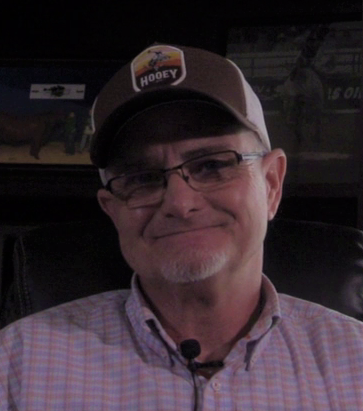
Image Metadata
|
Created: Monday, May 8, 2023 - 07:00 |
||
Summary:
Interview conducted during the Covid 19 pandemic.Description:
An interview with Muscogee (Creek) employee Billy (William) Haltom. A downloadable transcript may be found by link: Billy Haltom. This interview has been indexed through the Louie B. Nunn Center for Oral History Center’s Oral History Metadata Synchronizer system at the University of Kentucky. For an indexed copy of the video, please follow the external link found in the bar on the right of this page.
Transcription:
The Muscogee (Creek) Nation
Historic and Cultural Preservation Department
Oral History Program
“A Twenty-First Century Pandemic in Indian Country:
The Resilience of the Muscogee (Creek) Nation Against Covid-19”
As Remembered by: Mr. William (Billy) Haltom
Interview by: Ms. Midge Dellinger
Date: June 2, 2022
Transcription: The Audio Transcription Company
Edited by: Ms. Midge Dellinger
MIDGE DELLINGER: This is Midge Dellinger, oral historian for the Muscogee (Creek) Nation. Today is June 2, 2022, and I am in Okmulgee, Oklahoma at the Muscogee (Creek) Nation Ranch interviewing Mr. Billy Haltom, member of the Citizen Potawatomi Nation, and manager of the Muscogee Ag Youth Program. I’m performing this interview on behalf of the Muscogee (Creek) Nation Historic and Cultural Preservation Department for the oral history project titled “A Twenty-First Century Pandemic in Indian Country: The Resilience of the Muscogee (Creek) Nation Against COVID-19.”
Mr. Haltom, thank you so much for taking time out of your, I’m sure, busy schedule to be here with me today and to do this interview. We’re going to start out with some questions about your personal life and your background. And so, let’s begin with where were you born?
BILLY HALTOM: I was born in Midwest City, at Tinker Air Force Base, the seventh kid of nine from a gentleman that’s retired out of [00:01:00] the Army. My parents are retired out of the Army. I’ve got older brothers and sisters that have been born all over the United States.
DELLINGER: And so, if I ask you, where did you grow up?
HALTOM: Well, actually, I started school in Lawton. My dad retired from Fort Sill and we moved to Lawton and I started school there until approximately, probably, the sixth grade and we moved to Eufaula, and I’ve always considered Eufaula to be my home.
DELLINGER: Okay. Who are your parents? Will you share a little bit about them, their names, and what their occupations were?
HALTOM: Sure. Harold and Nona Haltom. Again, my dad has retired out of the military. He was a Korean War veteran. Again, we’ve lived all over the world. My mother was a stay-at-home mom. Of course, with nine children, somebody had to stay at home. So, she was a stay-at-home mother until later on in her life, and then she actually went to work in Eufaula at the hospital and she ended up with a thirty-plus career [00:02:00] year at the hospital. And that was after she didn’t get started till she was probably in her forties. And again, my dad retired out of the service. We moved a lot and he actually started selling Kirby vacuum cleaners.
Kind of a funny story, but before it was all said and done, we had a store in Lawton and a store in Duncan. Unfortunately, he, through his service career, ended up with a bad back and he’s now a hundred percent disabled and retired.
DELLINGER: So, do you still have your dad with you.
HALTOM: Yes, I do still have my dad. I lost my mom ten years ago.
DELLINGER: Now, from which of your parents does your Citizen Band Potawatomi Nation heritage come from?
HALTOM: My mother.
DELLINGER: Okay, very good. And what about siblings, do you have—you already said there’s nine of you total.
HALTOM: Nine of us total. I had a brother just older than me [00:03:00] that we lost in 1986. So, there’s eight of us left. I’ve got five sisters and two brothers remaining. Most of my family lives in the Eufaula McIntosh County area, and the other half of them actually live in the Dallas-Fort Worth area.
DELLINGER: Would you like to say their names? Names are important, if you’d like to mention their names.
HALTOM: Sure. My oldest sisters is Barbara Schalactun. Barbara lives in Canton, Texas. Mary Louise Turnbill would be my second in line sister, and she is married to a full-blood Creek, Nathan Harper. And they live in Checotah. Next in line would be my brother, Buzz, and him and his family live in Moore, and have, forever, they’ve endured the tornadoes and the whole nine yards. My sister, Tammy, who has just recently retired, lives in Checotah. [00:04:00] My sister, Jeanette, who has just retired last week, she was a superintendent at Eufaula, at the school, Jeanette Smith, and she’s retired now, too. Again, I lost my brother that was just older then me, and I’m number seven. Number eight would be my youngest brother, and he writes for the sports for two papers there in McIntosh County, the Democrat and the Indian Journal. And then, my baby sister works for Texas Can school system, and she is their, I want to say, executive vice president. She’s got a big title.
DELLINGER: Okay. Do you see your siblings very often?
HALTOM: We’re all real close. We see each other on a regular basis. And of course, now, most all of my brothers and sisters have, not only kids, but grandkids. Actually, some of them might have a few great grandkids. And when we get together, there’s a whole bunch of us and it’s loud and we have a good time.
DELLINGER: Okay. Tell me about life growing up in Lawton, [00:05:00] and in Eufaula. Will you talk a little bit more about your childhood?
HALTOM: Why, sure. We started school in Lawton, there, and again, at that time, we had moved on kind of a regular basis. Even though I was still a young child I just remember we moved a lot, it seemed like. But when we finally moved to Eufaula, that’s where we kind of set up home and established our roots. And that’s where I got involved in agriculture. And I come from a non-agriculture background. Again, my parents are retired out of the service and none of my brothers and sisters were involved in it but I had an uncle, my mom’s brother, who lived in Kansas, Howard, Kansas, and he ran anywhere from 125 to 80 head of sows, commercial sows, all the time. So as soon as I got old enough and I could, I loaded up every summer and [00:06:00] went and lived with him. I would leave as soon as school’s out and I would stay until about a week before school started. That’s where I really developed my love for agriculture and animals, and that type of thing. Of course, as I got older, and of course, we always had land out and we always had a few cows and definitely had a lot of horses, but we weren’t really agriculture people in any form or fashion. But when I got in high school, I was not athletic, and I was looking for a group for me to join, something to belong to, and I always was interested in the Future Farmers of America, and that’s what they were back at that time, is the Future Farmers of America. And I actually joined that thinking I was going to be a land judger, because I was always seeing these pictures of the land judging team in our local newspaper and I thought, “You know, that’s something that I think I might enjoy.” Well, when I actually was enrolled in ag and [00:07:00] we got involved, and then I realized all the different activities that were out there, sponsored through the FFA program, I immediately, my ag teacher started me on the livestock judging team. And that was, really, the key to me going into full-time agriculture, because I was relatively successful at an early age, before I got out of high school, I’d actually won every livestock judging contest in the State of Oklahoma between my junior and senior year. And I’m not talking about just my team won the contest, but I was the high individual out of those contests. So, that transpired into a full scholarship to go to Connors State College, judging livestock in Warner, Oklahoma. So, I ended up at Connors for a couple years, got married, had a baby, ended up divorced, went [00:08:00] to Stillwater, was still married at that time, went to Stillwater, and was on the livestock judging team there. And that put me in contact with so many people that were important to me in the future, as far as on a professional basis. I knew, when I got in the agriculture education class in my high school, that I wanted to be an ag teacher. It didn’t take me long to figure out that that’s what I wanted to do. So, of course, I went to school, got a degree in agriculture education, my first teaching job was in Stillwell, Oklahoma, home of the Strawberry Festival.
DELLINGER: What is a land judge? I’ve never heard that term.
HALTOM: Well, and again, when I’m seeing these pictures in the newspaper, I’m thinking that same thing. Well, they actually go out and evaluate land, [00:09:00] from anything from the slope of the land to the permeability of the land, to the type of soil that it has. It was really in depth, kind of a little bit scientific, but at the same time you had to be knowledgeable enough to recognize those different categories of soil, the differences in permeability in those soil, as well as the overall quality of land such as the slope of the land, the runoff of the land, and those types of characteristics.
DELLINGER: And so, that’s actually a competition?
HALTOM: That is a competition, yes.
DELLINGER: Wow, okay. That’s interesting. Very interesting. Now, what year did you graduate from high school?
HALTOM: I graduated high school in 1983, at Eufaula.
DELLINGER: And then, the year that you were married?
HALTOM: I got married in 1985. We had a little baby. We went to Stillwater and I graduated up there in ‘87 and went to work at Stillwell that fall. [00:10:00]
DELLINGER: And then, from our previous conversation I know that you went on to do some other things, so will you talk about where life took you after Stillwell?
HALTOM: Yeah. After six years of teaching at Stillwell, I decided—my brother worked for a wholesale floor distributor, and he had been after me to go to work for them, and in the promise of making a lot more money, I went to work for them. And that part of it was true. I worked for Armstrong Vinyl and Tile, and I was the sales rep for the southwest quarter of the state of Oklahoma. And I did that for a couple years and it was a great job, met a lot of wonderful people but it just really was not what I wanted to do. So, I ended up back teaching school again, and this time at Council Hill, [00:11:00] at Midway, and that was ’96. By this time, we’re in the year 1996. I taught at Council Hill for four years, ended up taking another job with the City of Checotah. There I hurt my back. And due to that back injury, which resulted in three major back surgeries, I didn’t work for almost ten years and I really thought that I might end up on disability. It was really traumatic. I’m so blessed to be where I’m at today, the fact that the good Lord has healed me like he has. But that really set me back. When I finally was cleared to go back to work, I was looking to get back into agriculture education, somewhere. And I was fortunate enough to be hired by the Muscogee (Creek) Nation as their first agriculture youth manager, and I’ve been here ever since.
DELLINGER: And what year would that have been when you started with the [00:12:00] Muscogee (Creek) Nation?
HALTOM: In 2012.
DELLINGER: Okay. So, tell me about your work as the manager of the Muscogee Ag Youth Program.
HALTOM: Sure. The Muscogee Agriculture Youth Program is a program designed to encourage our Creek youth to participate in both the 4H and FFA programs at their local and county levels. And of course, when they’re involved in their local and county levels, then that moves into a state and national level, all at the same time, depending upon what all they’re doing. But we decided a long time ago, or I did, that there’s no better youth organizations than 4H and FFA and they create more leaders in industry than probably any other youth organizations in the world. And so, my job is basically to encourage our Creek youth to participate in those two youth organizations, [00:13:00] which it doesn’t take a lot, they are outstanding organizations and we’re very fortunate in the State of Oklahoma that we have an extremely strong FFA and 4H program.
DELLINGER: Now, so I’m someone who doesn’t know a lot about these programs. I mean, obviously I’ve heard of these programs as most people have. Are these programs still attached to the schools?
HALTOM: The FFA program is attached to the schools. Of course, it’s a class, considered to be agriculture education, and then FFA is actually an integral part of that classroom activity. So, it would be an organization that goes hand-in-hand with agriculture education that’s taught in our high schools, basically. The 4H, it’s run through the County Extension Offices, and most 4H people are volunteers when you get down to the local level. [00:14:00] Once you get past the County Extension agent, then usually, most schools or local chapters will have a leader, and that leader will be responsible for the 4H activities that those young people are involved in.
DELLINGER: Right. And it’s still extracurricular for the students?
HALTOM: Every bit of it is extracurricular. And therefore, most of the things that I’m involved in happened after school, or on the weekends, because it’s extracurricular.
DELLINGER: Right. So, if you can talk about it, what is your recruiting process? How do you reach out to the kids?
HALTOM: Through the ag teachers. My go-to source is our agriculture youth educators within our high schools. First of all, most 4H kids eventually become FFA members. So, they work hand-in-hand. So, through the FFA advisor, I’m able to basically reach those 4H [00:15:00] students at the same time. Since we have eight counties here in the Muscogee Nation, I have a lot of ag teachers that I have to go to work with and there’s a lot of turnover, it seems like, in some of those positions, so I am constantly going to those schools, meeting with those new ag teachers, letting them know that this money is available, and then when those kids get in there they usually—of course, a lot of that paperwork, they ask whether they’re Native, and what tribe they might be and this. Well, of course, when they find out they have a Creek Nation student, then they let that child know who to contact, that I’m the person, and that we are there to support those Creek youth.
DELLINGER: So, currently, how many schools are you involved with, and how many students are you working with?
HALTOM: To be honest, on the schools, I couldn’t tell you because we have so many schools that go to the eighth grade in Oklahoma that there’s a lot of them that go to schools like Lonestar, [00:16:00] or even Hanna, that some of them I don’t know what the schools, but I can tell you this, we have a little over three hundred members in our Agricultural Youth Program.
DELLINGER: Wow, that’s fantastic. That’s fantastic. So, is there anything else that you would like to share about the program and your work? I’d love to hear it.
HALTOM: Would I? Yes. Let’s start in the history a little bit. We’ll talk about that. The Muscogee (Creek) Nation, of course, we might be the only tribal government that actually has agriculture in the seal of their tribe. So, they’ve been very involved in promoting agriculture youth activities since way back in the seventies. I can remember, and I’ve heard through oral history, that there was a time when we raised a lot of pigs down there, at Hanna, at the farm, [00:17:00] and young people, it wasn’t so much an organization, but they just let them come out and pick out an animal and take it home and feed it. And so, that morphed into a program that was basically the Muscogee (Creek) Nation 4H Program. And what they did is the tribe went in partnerships, with the State Extension Office, and they provided a professional, an extension agent, basically for the Muscogee Nation. And that person, even though he worked for the Extension Office, he was in charge of our tribal young people. And as a matter fact, that’s how I got—because he was employed through the Extension Office, the tribe wanted somebody to work with him that basically was employed through the tribe, so we would have a little more say so, maybe, in what was going on in some of those activities. Well, that’s how I became involved in this. I was that person that was hired to work hand-in-hand with our [00:18:00] Extension Office gentleman. I got here in November, he resigned in January, and they never rehired anybody. So, it went from being a partnership that was actually a grant through the tribe and Extension Office to now, we’re purely one hundred percent, solely income-based through the tribe. We are sponsored through the Muscogee (Creek) Nation one hundred percent, now. So, since I have come aboard, and this, again, was back in 2012, the first thing I did is, I wanted to be more involved out in the public and I thought one of the things that we could really do that would help these young people that are already showing livestock is put on an all-Indian livestock show. And the first one happened in January of 2013, right here in Okmulgee America. [00:19:00] I am not sure on the numbers right off the top of my head, but I can tell you it was extremely cold. t was the first of what this year will be our tenth annual Muscogee (Creek) Nation all-Indian livestock show. And it has grown from a one-day event to a three-day event. We have to show our sheep and goats on Friday evening, we show our swine, our pigs on Saturday, and then we show our cattle on Sunday afternoon. And it has just really been a blessing, the growth and the involvement. And what it really did for our program was it put us out in the public eye, not so much just the Creek citizens, but everybody, because although those young people needed to be Native to participate, their grandparents, the people that come and watch them show and all, they might not be Native. Well, that just on a PR level, [00:20:00] has just been outstanding. It has done more good for the popularity of this program, and it gave me a platform to get out say, “Listen, the Creek Nation is here for our young people, we’ve got X amount of dollars for them,” and it was a tool that I used to reach a lot of those young people that we hadn’t reached yet. So, I get a lot of involvement and a lot of enrollment in our program through that livestock show.
We also do a lot of other things. We put on a speech contest in the fall, a 4H speech contest. I’m a firm believer that all young people need to have some public speaking ability. Public speaking, and I realize there’s a huge fear of it, but the long and the short of it is, you need to be able to sell yourself whether that’s to your parents, your ag teacher, your banker, your employer, and I think it’s really important that we help those kids get involved in that. [00:21:00] The livestock showing helps a little bit in that area but it’s nothing like actually getting up and doing a demonstration or speech. With that being said, in the FFA activities, they have a lot of speech contests that those young people are able to go to every year put on by different FFA chapters. Whereas in 4H, they’re a little more limited, so we do a 4H speech contest and it’s for our 4H members, most of those kids are going to be young from anywhere from seven to twelve. And that’s really the age that they are before they graduate to the point that they can go into an FFA program. The speech contest has been really good for us.
We also put on a poultry show. The poultry show has kind of being a little bit sporadic because of COVID. We just started getting to do it right before the pandemic hit, so it was one of the things that kinda got canceled through the course of the pandemic. I’m preparing, [00:22:00] Monday I will leave with another chaperone and five young people Washington DC for five fun-filled days of educational activities there in the capital of our country. That is an event, a trip that we’ve been doing on a regular basis. Again, we missed out a couple years because of the COVID, but we’re finally getting to go back and we’re real excited to be able to take young people back and let them meet some of those people who are, again, representing us, let them know how our government works and some of the things that we need to do as citizens to make everything work like it should.
I’m trying to think, I know there’s something that I’m missing here. Oh, we also put on archery camp in the summertime. We do an archery camp. And archery camp was something that was started before I got here, actually, and it was done through the Extension Office. We really just helped [00:23:00] with that project. But as time went on, we lost our Extension agent, and they had cutbacks in the Extension Office in general, so it kind of came down to, if we were going to do archery camp, we were going to have to do it on our own, which last year was our first year to do it, we kind of did it, and we thought it would be a last-minute deal. We figured if we might get twenty-five or thirty kids, we would be doing wonderful. We ended up with seventy-seven, and could have took more than that, and I finally had to kind of shut them off because I was a little bit worried about the safety factor there.
But anyway, the camp was such a success, now that we’ve been able to move out here to our Ranch, because last year we did it at the Okmulgee County Fairgrounds, this year now that we’re moved out here to the new Muscogee Nation Looped Square Ranch, we will do it right here on our own property, and it’s scheduled for July 12 of this year and we are looking really forward to putting that camp on. [00:24:00]
We send a lot of kids to camp. One of the things that we do do is, there’s a lot of different types of agricultural-related camps and it can be anything from a livestock judging camp to a livestock showing camp, whether that’s sheep, goats, swine, or cattle, and there’s camps for all of it. 4H Round-Up is another camp. We help send all of our young people to those camps. If they’re ready, if they want to go to those camps, the Muscogee (Creek) Nation is there to help provide the financial means for them to do it, as well as if they need rides or whatever, I also am there as a professional to help those young people get there and get home.
DELLINGER: Are those in-state or out-of-state camps?
HALTOM: They’re all in-state. Everything we do is pretty much in-state. Now, the one thing that we have gotten to do, and again we’ve missed the last two years, they haven’t had it, is the Intertribal Agricultural Council in Las Vegas, Nevada. It happens the first week in December during the National Finals Rodeo, [00:25:00] it’s one of the largest agriculture Native American-based organizations in the country. We have been really fortunate that they actually asked me to come and speak a couple years because, you know, a lot of times we take this program for granted because we see it every day and we’re around it every day, and we’re around the livestock, we’re around the kids, and we think that that’s how it is everywhere. When you get out of the State of Oklahoma, we found out that we are doing an outstanding job, and we’re kind of leading the way in this. So, they invited me to speak a couple times at this Intertribal Agriculture Council in Las Vegas, and basically just doing what I’m doing here, bragging on our program, more or less. But it was very rewarding.
And what I took away from that is, and this is going to sound a little bit boisterous, maybe, but we’re doing a great job and we’ve pretty much got the number one Agricultural Youth Program as far as Native America is concerned in the United States. [00:26:00] And it’s something that I’m really proud of.
DELLINGER: Yes, as you should be.
HALTOM: They do a contest there and they put out a topic each year and from all over the United States, young Native Americans can write this essay and they turn them in and they’re graded. And they take, I want to say, 150 young people plus their chaperones, all-expense-paid trip to Las Vegas, during the National Finals Rodeo. And so, when I found out about this, we really got involved helping our young people write some of these essays to get. The first year that we did it, out of three hundred and something essays that were submitted, we had one young man that was second. And so, he got go up on stage, again, at the Intertribal Agricultural Council, [00:27:00] this was at the Hard Rock Hotel in Las Vegas, he got to go up on stage and he was rewarded with just all kinds, anything from a tablet, an iPad to a Pendleton blanket, to a cash reward. And to think, that we were up there seeing one of our own was just so, so good and so rewarding.
But that’s one of the many activities that we do. And of course, again, that’s what we do through the tribe. That’s not what our young people are doing in their own FFA or 4H programs. This is additional to what they’re doing in those programs.
DELLINGER: Wow, yeah. This sounds like such a fantastic program that, prior to today and sitting down talking with you, I wasn’t aware of all these things for our youth. I’m just curious do you have an idea of what percentage of these kids, let’s say, when they come out of high school, [00:28:00] what percent percentage of them go on to, say, Oklahoma State University or someplace where there is agricultural programs at the college level? What percentage of the kids that you work with find their way there?
HALTOM: That’s a really tough question and I’m going to tell you why it’s tough. It’s because the FFA organization trains outstanding people that, and I’ve learned this by going to our State FFA convention and sitting with different—I sat one time with a gentleman that ran a big factory in Yukon that basically produced meat for McDonald’s. They packaged it. And he told me, he said that industry cannot hire better young people than what is produced through the FFA program. So, a lot of those kids are lost to, not they don’t go to college, but they might not pursue an agricultural degree, [00:29:00] so to speak. So, I’m not sure that I can give you a big percentage there, Midge, but most of those kids will at least pursue that education.
Now, everybody knows that not everybody that starts finishes, but the majority of them, and agriculture people in Oklahoma are OSU people. Of course, now in Oklahoma, we’ve got so many junior colleges, and a lot of them will take that route and go to a junior college first.
DELLINGER: Do you have some, though, that have come through your program here and they’ve gone off to college somewhere and they’re back here, maybe they’ve come back home to their hometowns or to the area here, and they’re now working as farmers, and they’re farming their own land and raising their own animals? [00:30:00]
HALTOM: A high percentage of them will be involved in agriculture through the production of beef, because most of them will come from an agriculture background, they’re going to have parents that have land and have cattle, so they probably already started a small herd of their own. That is probably our biggest step into actual production agriculture. And of course, nowadays, a lot of people don’t realize, but less than two percent of our population are farmers. So, the actual production farm, in my twenty-plus years career doing agriculture education, I have had one family that was actually a full-time farmer.
DELLINGER: Wow, that’s interesting.
HALTOM: Yes. That was their income. Every bit of money they made comes from the farm. And I couldn’t tell you how many hundreds if not thousands of kids I dealt with, [00:31:00] and that was legitimately the only family that I had that were full-time farmers.
DELLINGER: Wow, yeah. That’s interesting. Thank you for sharing that. Okay, well, is there anything else that you’d like to share about your work? You’ve shared a lot here, a lot of interesting information. I know now what you’re out here doing.
HALTOM: We’re not just out here hanging out here, Midge, at the ranch. We’re actually doing some stuff. I’m just really blessed. I mentioned earlier that at one time, I had had some back surgeries. And I mean physically wise, I really didn’t know that I would be able to do anything, so it’s just been a blessing from the good Lord that he is able to heal me, and in all honesty, I had my eye on this when it was an Extension job, I wanted that job. And so, when I got the opportunity to come to work for Muscogee (Creek) Nation, [00:32:00] especially as the Agriculture Youth manager, it was just truly a blessing. I mean, it really was just a blessing. And I’m so fortunate to be here now, and I thank the Muscogee Nation, and I thank all the people that I’ve worked for.
At this time, we have just got a wonderful young man that is my boss, and that’s Trent Kissee. Trent is young. He is the driving force behind the Loop Square packing facility that we now have, north of town. And he is a very energetic, forward-thinking person that is there to help. And he taught agriculture education for a couple of years, so he really gets what this program is all about, and that’s something that in my years, until Trent came—he’s been here I think four years, maybe five—I didn’t really have that connection or a person that could relate to me on the level that I am as far as what’s actually happening [00:33:00] with this program.
And because of that, now I’ve got someone that can go to meet, maybe to the administration and talk to them on a level that I would talk to them and get those points across. And it’s just really been a blessing I love working with these young people. It’s just something that I’ve always enjoyed, coming from a big family, I think that probably had a lot to do with it. But I tell people every day, I’ve got the best job in the State of Oklahoma, and it’s the only job like in the State of Oklahoma.
DELLINGER: That’s amazing. That’s a wonderful story, thank you so much for sharing all that. So, where do you currently reside?
HALTOM: We live in the small community west of Checotah. We live about ten miles west of Checotah, in Pierce, America. My wife and I, we’ve got one daughter that lives in Glendale, [00:34:00] Arizona, and she just got married last November. Marcy Fox Haltom is my wife, and she’s a half-blood Creek girl, beautiful young lady. And we’ve lived out there in Pierce, now, for twenty-two years, I guess. We moved out there right in the beginning of 2001. And so, we’ve been out there for twenty-two years.
I joke with people; I tell them we are hobby goat farmers. We raise Boer goats, which are the type of goats used to show in 4H and FFA programs. And we kind of do that on the side. It provides a little bit of income, but mostly, we try to get those goats to young people that maybe need a little help, don’t have the financial resources to do a lot of that showing and going, and we try to do what we can to help in that way as far as getting those goats into the hands of those may be less fortunate than some.
DELLINGER: [00:35:00] What is your stepdaughter’s name?
HALTOM: I don’t have a stepfather.
DELLINGER: Daughter.
HALTOM: Oh, stepdaughter, sorry. [laughs] My stepdaughter’s name is Coty Jo Fox, it’s now Peterson.
DELLINGER: Peterson now, okay.
HALTOM: Peterson, yeah.
DELLINGER: And so, you and Marcy are out there on the farm. And are the goats now the only livestock that you have there?
HALTOM: Yes, that’s the only livestock that we have.
DELLINGER: But then, I know that you have multiple pets, too, don’t you?
HALTOM: Oh, yes. And I’m going to tell you, we’ve kind of been in a season of mourning. In the last year-and-a-half we have lost so many pets that we had had for such a long time. We had a German Shepherd we’d had for ten years, we lost her. A month later, we lost Marcy’s little Yorkie that was her mother’s dog that she inherited when her mother passed away. Then we had a cat that we had for eighteen [00:36:00] years. My daughter was home earlier this spring and he actually passed away while she was here.
And so, now, we are dwindled down. We’re down to one new German Shepherd dog and we’ve got one cat that Marcy’s had literally for eighteen years. And poor old Drama, she’s all we’ve got as far as an indoor pet.
DELLINGER: Yeah, that’s hard when they leave us. I’m sorry to hear that you all have gone through that. Now, there in Pierce, how far is Pierce from Checotah?
HALTOM: Ten miles.
DELLINGER: Now, are you engaged in any community activities there around Pierce or Checotah?
HALTOM: I attend church at St. Paul’s Catholic Church there in Eufaula, and there, I am the president of the parish council. And I am also one of the lectors there for Sunday mass. [00:37:00]
DELLINGER: All right. Now living and working in the Muscogee Nation, how do you engage with the Citizen Potawatomi Nation?
HALTOM: You know, after coming to work here, the one thing that I really realized and that I had taken for granted was the right and the ability to vote. Of course, the Citizen Potawatomi Nation doesn’t handle the finances quite like the Creek Nation does because we vote on a lot smaller deal, but after coming to work for the Muscogee Nation and realizing that the lack of people’s interest and desire to go and vote and voice their vote became really important to me. So, since that time the one thing that I’ve learned is we need to vote. So, since that, I’ve always voted at the Citizen Potawatomi elections. [00:38:00] We go to the festival each summer. Of course, with the pandemic, we haven’t had it the last couple years. When the Citizen Potawatomi Nation first started the type of government where we had representatives from various states, actually, my first cousin was our representative from Kansas. And when she got involved in the tribal government, our entire family—and when I say that, I’m talking about my mom’s family, her brother, sister, and their kids—we all become really a lot more aware and involved in our tribe and what was happening with our tribe, and we are extremely proud of all the things that the Citizen Potawatomi Nation has done.
I would like to say that our interest in the tribe resulted in one of my nephews who, he was just like the rest of us, we did not grow up in a traditional manner at all, he become [00:39:00] really interested in our tribe, actually to the point that he taught himself the Potawatomi language, not only can he speak it, he can also write it. So, when they needed a Potawatomi language teacher at the tribe, he sent in his application, they couldn’t read it because he wrote it all in Pottawatomi.
Needless to say, Randy Schalactun, he works up there with the youth, and he’s one of the language teachers, and he’s traveled, he’s been up in Wisconsin, Michigan, because that’s where the Citizen Potawatomi originated from, meeting a lot of those people back in that area, and Randy has just really become our family’s go-to person when it comes to anything tribal or native.
DELLINGER: Now, where is your mom and her family originally from?
HALTOM: They’re from a little town, Rossville, Kansas, which is just minutes outside of Topeka, Kansas. And of course, there’s a Prairie Band of Potawatomis there, and there’s also the Citizen Band of [00:40:00] Potawatomis, and of course, we’re the Citizen Band. And that’s who we get our native ancestry through.
DELLINGER: Right, right. So, has your mom, or I guess you through your mom, do you know anything about the history of your family?
HALTOM: I know on the Native American side, on my mother’s side, as far as her Native American history, I had an aunt that went back and did a—is it genealogy, is that the right word?
DELLINGER: Yes.
HALTOM: A genealogy of our tribe, and our ancestors, and we actually go back to a French trapper named Pierre Navarre who took a Potawatomi woman as his wife. And I don’t know the history near as well as I should, but with a phone call or two, I could know it. [laughs]
DELLINGER: Right. [00:41:00] Well, just what you’ve shared there, that’s really interesting. Yeah, those things are important, so I just thought I would ask if there was anything you wanted to share about that. Do you have any personal interests or hobbies that you like, like if you’re just going to have some downtime, what do you enjoy doing?
HALTOM: I like to play golf. [laughs] I like to play golf, but Marcy’s not a golfer, but she is a fisherman. And so, we do a lot of fishing, too. So, those are our things that we really like to do. If I can get away by myself, I go play golf, and if it’s the two of us together, we usually go fishing.
DELLINGER: All right, that sounds great. Well, I tell you what I think we’re going to do. We’re going to wrap up this part of the interview and I really do appreciate you sharing these things with us here, about your personal life, and we will move on now. [00:42:00] We’re going to transition and I will ask you some questions now about your experiences with the COVID-19 pandemic. So, the US is now in year three of having COVID-19 in existence, but when in 2020 do you remember first hearing about the COVID-19 virus, and how did you first hear about it?
HALTOM: Midge, you’ve really opened a box here, because I have quite the story.
DELLINGER: Okay.
HALTOM: Of course, we all hear about it in the news where nobody knows what’s going on, but we know something’s going on. My first experience was my nephew and I; we’re going to the state basketball tournament and we got halfway up there and they called us and said it was called off. And I said, “Okay,” so at this time, there’s no anything. [00:43:00] It’s the sixth day of March, I was supposed to be at Creek County at a premium sale for our livestock show. And unfortunately, that day, I swallowed a toothpick that afternoon.
DELLINGER: Oh my gosh.
HALTOM: Yes. And that was March the sixth, 2020, which is three days before the official declaration of the pandemic. So, to make a long story short, I ended up at St. John’s Hospital in Tulsa. Of course, I went to Okmulgee to the hospital first, I had to take an ambulance from there, and they were going to scope me up to St. John’s. And I was in a lot of pain, and I was really struggling and I thought, “Man,” I had a couple guys and they worked for the Creek Nation Ambulance Service, and for the life of me I can’t remember this gentleman’s name, [00:44:00] but we get up there to St. John’s in that emergency room, and it is literally wall-to-wall with sick people. I mean, they are everywhere.
And so, the only reason I went to St. Johns is because we called in advance and they said that they would have a bed for me. So, we get up there and we get in the emergency room, they tell me they don’t really have a bed for me. And lucky for me, that gentleman that was in the ambulance, he stayed and he told me, he said, “I’m not going to leave you here until we get you situated,” because again, there are sick people literally lining the halls.
So, I was just pushed over against the wall on my gurney, and there I sat for—they actually ended up doing that scope about midnight, I think, that night. And I spent most of the time before going to that scope in the hall of that hospital. So, that was my first introduction into the pandemic.
DELLINGER: And you said [00:45:00] that was March 6th of 2020.
HALTOM: March 6th of 2020, sure was.
DELLINGER: And all those folks that were there were ill with, at that time, I’m wondering if the medical people there even knew that that was COVID.
HALTOM: You know, I don’t know that they did or not. Again, this is all really before anything has ever really come out because it wasn’t really officially declared, I don’t think, until March the ninth when things started happening as far as what the government was doing and those type of things.
DELLINGER: Yeah, you’re talking about the federal government.
HALTOM: Yes.
DELLINGER: But prior to that, prior to March 6th, had you heard anything on the news?
HALTOM: We’re avid news watchers at our house, and they were telling us that there were these cases, and we finally got the one case in Oklahoma and it happened to be in Tulsa, [00:46:00] that was our first case. And I can distinctly remember Governor Stitt saying, “You know, there might be even five hundred or maybe even a thousand people get this before it’s all said and done.” And we look at now and you think in our country, we’ve lost half a million people. That was the blindness that we had to the reality of what was actually going to happen.
DELLINGER: As you started to learn more about COVID-19 and this pandemic, it was just snowballing, what were your first thoughts about it?
HALTOM: I guess I was naïve in the fact that I thought we were a little safer in Oklahoma, maybe, than we were in the rest of the United States because we were hearing about it, basically, back east, New York, Philadelphia, those type of places, and we’re thinking that we’re going to be all right. [00:47:00] At that time, I had a nephew that was actually living with Marcy and I, during the beginning of the pandemic. And so, the three of us, we kind of were taking it all in all together and we were like everybody else. We didn’t know what was happening, what wasn’t happening. We’re thinking that, at this time, if we wear a mask, we were even wearing rubber gloves when we went anywhere, if we have to go to town. We basically just tried to not go anywhere if at all possible.
And of course, it wasn’t long after that that we were shut down through our tribal government, and basically working from home, which for three months, it was a kind of, I’m going to say hit-and-miss to say the least.
DELLINGER: Do you remember what were some of the initial conversations that you had with family and friends, coworkers?
HALTOM: Well, again, I’ve got seven siblings [00:48:00] so every one of them, we all had a different opinion and they’d range from anywhere to, “None of us are going to get it, everything’s going to be all right,” to, “We might all perish.” So, it was just a wide range of emotions and it was really kind of dependent on who you spoke with what their opinion, philosophies, or whatever might be toward COVID-19. And of course, at that time, we had really little idea of anything about it.
DELLINGER: Right. So, during that first year of the pandemic, what made you realize the severity? Was there any particular thing that happened to you or that you saw on the news that made you realize the severity of the virus?
HALTOM: Yes. And it didn’t happen initially, it was really a little later on. It might have been a year after the pandemic actually, [00:49:00] because we didn’t have COVID. None of us had gotten COVID. We hadn’t. And Marcy had really been tested a lot because of her work there at the Food Distribution. When those people, they worked every day through the pandemic, and she saw a lot of people in the public, so she was tested on a regular basis. We never had anything. But in one week, and it was in November of ’21, I guess, in one week, we had nine people that we knew pass away in a seven-day period.
DELLINGER: Was it ’20 or ’21?
HALTOM: Twenty-one, I believe. Because it was a year later. And again, I didn’t really have any family members that have had it. To be honest, I just kind of thought it was something that probably wasn’t going to affect us here like it was the rest of the country, and it was just kind of blindness on my part. I guess the big deal that hit me initially, [00:50:00] and right from the beginning was, all of a sudden, I went from going to work every day to I’m sitting at home.
DELLINGER: Yes, so I wanted to ask you about that. So, all of a sudden, all of us started hearing the words “lockdown” and “shelter in place,” which most of us have never experienced. And so, what was that like for you? And just those words alone, how did those words make you feel?
HALTOM: Isolated might have been a good word to put in there. In March, the second week of March is the Oklahoma Youth Expo, which is the world’s largest junior livestock show. And this might be answering your other question a little bit better than what I did, Midge, that’s when I really realized how bad things might get, because I’m talking, this is a huge event, [00:51:00] there’s over three thousand just market pigs that are shown, alone. They shut that event down after people had gotten to the facility. And they sent them all home. And when they did that, and I hate to say, but livestock people are not people that really run from—you know what I’m talking about, they’re a little more gung-ho, they’re not the kind that would go home on their own without somebody kind of telling them to go home.
When they shut that down, I knew that we were in for something that we had never seen before, never witnessed before.
DELLINGER: So, during the first year of the pandemic, while the scientists and the medical profession were trying to figure out how to combat COVID-19, what were your personal safety measures to stay free from the virus, both at home and when you left home?
HALTOM: [00:52:00] Well, our big deal was we tried to stay at home. I mean, we cut our outside, and other than just groceries, we really didn’t go anywhere. And of course, at that time, you really couldn’t go anywhere because everything was just shut down or restricted or that type of thing. But we just didn’t go anywhere. And again when it initially came out, if we went somewhere, we would have not only our masks on, but we had rubber gloves, because we’re just going by what we’ve heard in the news and we’re thinking, “Well, as long as we stay kind of protected,” and of course, when you got out and you were around people it wasn’t so much what you were doing, maybe, as what somebody else was because if you’re standing in line at the grocery store and someone standing immediately right behind you, and you feel them breathing on your back, that’s really not social distancing. That term “social distancing” really was a very new term. [00:53:00] So, our biggest thing that we did was really just stay home, all that we possibly could. And we were pretty much like hermits. We stayed at home.
DELLINGER: So many people practiced strategic shopping, is the term I’ll use. Did you all do that, and then what was it like, being in rural Oklahoma? I know what it was like being in a Tulsa, a major city, but what was it like being in rural Oklahoma having to go out and shop and find food?
HALTOM: When we had the big toilet paper debacle, that was the beginning of a lot of those type of things. I can remember being right there in Atwoods, in Checotah, Oklahoma, at the very beginning of the pandemic and here comes a man and he’s got a rolling cart, and it was stacked eight foot tall, three across, with cases of water. And I was going, [00:54:00] “Do you really need all that?” And looking back in hindsight, that guy might have been smarter than the rest of us.
But I’d see that firsthand and I’d think, “My God, people are,” I’m not going to go as far as saying they’re in a panic, but it was real close to being in a panic. And we don’t do a lot of cooking at our house, so because we were empty nesters, we’d always eat out. But we were very fortunate that we could pick up a meal at Elderly Housing, every day. And we didn’t have to see anybody other than just we’d pick up our sack lunch, we would go out here to the complex somewhere and find us a table and sit down and eat it. And that’s how we did lunch forever, until things started easing back up and opening back up.
And we’re kind of a one meal a day family, so that was our big meal, we always ate [00:55:00] lunch, that’s our one big meal. And so, the rest of the time, we didn’t have as much problem, I would say, as most families did because, again, there’s just two of us.
DELLINGER: You were at home, but Marcy was still having to come to work, right?
HALTOM: Yes.
DELLINGER: So, you were coming up to have your lunch together?
HALTOM: Or she would bring it home to me, yeah, yeah. I would either come up here and eat lunch with her, or she would bring that lunch home to me. But again, they were essential workers, they’re Food Distribution, but they worked every day of that pandemic and I was scared to death for her.
DELLINGER: Yes, I was going to ask you about that, what that was like knowing she was having to go every day.
HALTOM: You know, and again, it was almost like it was out of your control. She couldn’t quit her job. And those people rely on those people at distribution to provide them food. And she is gung-ho about her job. [00:56:00] She loves her work and she loves helping people. And she would go to work. But I don’t know. And of course, initially, you couldn’t get a COVID test, you know? Until, and I don’t know what the timeline is before we were actually able to be tested on a regular basis, but when that came and she started, if she got a little cough, or she got anything, she would go get tested. We were just real blessed, she never tested—neither one of us have had COVID.
DELLINGER: That’s great, yeah. So, how did COVID, especially in its beginning in 2020, affect your work here with the Muscogee Ag Youth Program?
HALTOM: Well, it started, initially, our first big deal with it was the Oklahoma Youth Expo, because we have all these kids, and I’m talking thousands of dollars, boo coos of hours that they put in with these animals, [00:57:00] and they all take them up to the Oklahoma Youth Expo, and they all get sent back home. And anyway, they all get sent back home. So, when they get sent back home, that was our real experience firsthand with what’s going on with the pandemic, and how it’s going to affect us, because I thought that was something that would never ever happen, especially in the State of Oklahoma, because I know the importance of the Oklahoma Youth Expo, what it means to the state, and the amount of people that it draws, the economic impact that it has for the Oklahoma City, and in that area, and for them to shut that down, I knew that we were really facing something big.
Of course, like everything else, we were shut down.
DELLINGER: And the schools, too.
HALTOM: And the schools were shut down, so we couldn’t visit students. And they didn’t [00:58:00] want me there, and I’m not real sure that I wanted to be there at that time. It hurt our program in that there was a two-year period that I really was not out there promoting this program. It’s amazing how fast people have a tendency to lose their, “Hey, this program’s out there, it’s a good program,” when it’s not brought up and brought to their consciousness on a regular basis.
And because of that, our enrollment didn’t decline, but I wasn’t able to go out and reach all those people like I should have been able to do. That was a big—and that summer, the Ag Teacher Association has a summer conference in Tulsa, and that’s in August, and that was an event that I go to and I’m able to see all those people. Well, naturally, it was shut down too, so there went my connection there that I was not able to—and so, [00:59:00] then we rocked along, and it got to be into the fall of ’20, and we were still planning on having our livestock show in January of ’21, just like we always have. We give out thirty-five-plus belt buckles during that three-day period, and I ordered all of those belt buckles, because of course, we have to order them in November to have them by January. So, well after we come back the first of the year that was when we really had a big outbreak, and I forget what variant it was at that time, and of course, we got shut down. And again, livestock people and agriculture people, they’re not the pandemic people that are excited about being vaccinated, they’re more of the standoffish, “I think we’re fine,” and that’s kind of a stereotypical example, but that’s really what they were. [01:00:00] So, we really took a lot of heat for canceling our livestock show, but the Choctaw Nation also canceled theirs. And we’d already cancelled our poultry show, I forgot about our poultry show, and our fall speech contest, we’d already cancelled those. The speech contest, we really hadn’t canceled it, but we didn’t have a place to have it because we usually have one of our schools around here that we do that in because we need the classroom setup in order to have all those rooms to speak in. We couldn’t get anybody to let us use the school. So, therefore, we were forced to cancel our speech contest. Well, we also canceled the poultry show that fall, we rocked along, we were preparing for our livestock show, then we’re shut down, and we close that down. So, we rock on and there’s nothing happening. This is ’21 and we’re in the spring and going into the summer of ’21, and there’s really just not anything happening. [01:01:00] There’s nothing opened up, the schools aren’t opened up, livestock shows aren’t happening, none of those extracurricular activities are happening at all. Well, we rocked along and we get into that fall of ’21, or into the summer, I’m thinking, “COVID has kind of calmed down a little bit,” and I’m thinking, “I have all these belt buckles,” and of course, they’re dated. Twenty-twenty-one is their year. And so, I decided in August, “We’re going to have a livestock show.” And August is not a good time to have a livestock show, but it was really the only time that we could do it because the Tulsa State Fair is in October, and we have a lot of kids that are feeding animals for the Tulsa State Fair, so I knew that we could have people in every species at the livestock show. So, we ended up having our 2021 Livestock Show in August of 2021. [01:02:00] And it was hot, and it was different, it was miserable, but we got it done, and we got all our awards put out, we got our buckles handed out and all that, then we turned right around and was ready to put on another one in January of 2022. And fortunately, that went off without any problems.
DELLINGER: Oh, that’s good, because we were in another surge. Things were kind of surging a little bit, then.
HALTOM: Every time I planned something, Midge, we would get the surge. In January of ’21, we were planning our livestock show, we got the surge. It kind of calms down about May, things slow down, I think, “Well, we’ll be good,” so we schedule it for August. Well, in August, again, I forget which variant it is, but there’s a big flare up again. We were almost shut down again in August. There was a lot of negotiation that went on at that time. [01:03:00] And of course, we had to go through this, having protocols, having hand sanitizer, masks, blah, blah, blah, all of that we had to offer that. Now again, talking about livestock people, nobody used it, or nobody wore a mask, or that type of thing, but as a tribal entity, we did have to go through all of those protocols. And again, they just almost shut us down. And if it hadn’t been for us kind of negotiating firmly on our part that this was something that could take place and we could do it safely, and we did do it and we didn’t have any feedback as far as anybody with COVID afterwards or anything like that, so I felt like we did a good job there. And we got it out of the way. But to say that it was trying is an understatement.
DELLINGER: It sounds like it.
HALTOM: Well, [01:04:00] and also, during that timeframe, a lot of these kids, they purchase livestock and they were in a situation where they were like, “Do we buy animals for the next year?” because it’s a big investment for them. And I got a lot of phone calls and all I could really do was offer them my opinion. I couldn’t tell them, “Hey, this is what’s going to happen,” because nobody really knew. And again, we thought that in 2021, it would get better, but you just don’t know if they were going to shut them down again. So, there was just a lot of uncertainty which promotes a lot of fear.
DELLINGER: Yeah. And something that has been an issue throughout the pandemic, and continues to be an issue, and we hear this in the news, the effect that the pandemic has had on people’s mental health, which includes our children. And I’m just curious, from your perspective, [01:05:00] have you observed any of that? I mean, obviously things are back on track now with the program, it sounds like, but did you observe any of that with the students? They had these two years of so many things just up in the air and they couldn’t be doing the things that they wanted to do and they needed to do. How do you think that affected them?
HALTOM: Way more than probably what people think, I think. When school shut down and those kids were forced to stay at home and do online school and that type of thing, it really makes you aware of how important that social interaction is with young people, especially, at those ages. And of course, now, things are so much better but at that time you could just see it in them. Kids, they were sick of being at home, they were sick of the pandemic, they were sick of everything and we really had [01:06:00] just gotten started in it. And I think, mentally, it affected a lot of kids. We were talking about our archery camp and how we had the big number last year? And I think one of the reasons why we had such a big number is people were wanting to get out. That was one of the first things, that was the summer of last year, and people were so excited to be able to get out and go somewhere, and I really think that really benefited our archery camp, because I was just shocked at the number of people that we had, especially in the time frame that we had put it out there. And again, I think students as well as parents, they were really just ready to get out and go. And another thing along that same line is, after those parents and kids were at home for a year and they were away from the showing and everything, the price of livestock animals when they decided to come back and show went through the roof, [01:07:00] because people, they saved money, they had some money that had been allocated through different government resources, and they were so ready to get out and go and do and participate that we had probably record numbers of young people that bought livestock and paid more money than probably what they usually do for, because they were just so ready to go.
DELLINGER: Wow, okay. What is your knowledge and understanding about the COVID-19 virus, especially its effect on the human body if it’s contracted?
HALTOM: Well, my personal knowledge is that, of course, I can only tell you what other people have told me, because again, Marcy and I were just so blessed that we’ve never had any COVID. But I mean, for instance, [01:08:00] Trent here at work, his dad, stepmother, his mother and his stepdad, plus some of his stepbrothers and sisters, they all got COVID at one time. And he said, Billy, the thing that was amazing to it was, every one of them had a different symptom. Every one of them had a different illness. It was like it wasn’t even the same thing. One of them would have bad respiratory problems. The other one might have bad digestive problems, whereas one of them had an extremely bad headache. And it was like, my goodness. The characteristics were nothing that it should have been as far as when you get the flu, you’ve got a bad head, you’ve got sore throat, this typical type of symptoms. Nothing. There was nothing typical about any of it. And it was just so scary. And of course, I had brothers and sisters that through the course of time, they were getting it, and getting over it. And again, [01:09:00] we were just really blessed that even though I did have brothers and sisters and other family members that had it, nobody got it to the point that we needed to be hospitalized or anything like that.
DELLINGER: What was it like for you and Marcy, being parents and having a daughter off in another state?
HALTOM: It was extremely scary. And I don’t mean to be political, but she lives in Arizona, and that’s a big red state, and we know how red states felt about COVID, especially in the beginning. And she was out there in Maricopa County where it was just flourishing. I mean, it was everywhere. As a matter of fact, August of 2020, Marcy and I, we just decided that we need to go out there and visually we lay our eyes on her and make sure she’s doing okay. So, we loaded up and we went out there, and drove out there for a week during August of 2020, just to satisfy our need as parents to see her and make sure that she was okay and that she was doing things that she needed to do to make every step possible [01:10:00] as far as preventing what was going to happen if they were to get COVID.
DELLINGER: And so far so good with her and her husband?
HALTOM: So far, neither one of them have had COVID. It’s just been a blessing.
DELLINGER: Yes. Scary, but—
HALTOM: Scary, but yes.
DELLINGER: Are you vaccinated against COVID-19?
HALTOM: Yes, ma’am. Yes.
DELLINGER: And why was it important for you to be vaccinated?
HALTOM: Well, in the beginning when there was no vaccine, it was extremely scary because it was like, how are we going to combat this? When the vaccines became available—I have been vaccinated for everything my entire life, and I saw no reason for me not to be vaccinated for COVID-19. And I know there’s a lot of controversy there, especially there was initially, but as soon as we were able to get our shots, [01:11:00] Marcy and I, we both got our shots and then got our booster shots again. Now I’m going to cast a shadow, I haven’t had my third shot, yet, and I hate to say it but it’s just because I haven’t gotten around off my lazy tail and went in and done it, it’s not that I wouldn’t do it. If it was offered right now, I’d take the shot, but I just haven’t done that. But as far as that vaccine is concerned, when the vaccine came out and I realized, listen, we’ve got a way to combat this and get over it, well, my opinion kind of changed toward the disease and everything else, because I’m thinking, now, we have a tool to fight this, but we’re dealing with people who might not think that’s a viable source. And so, then, it almost—a little bit of a division, maybe, between vaccinated people and [01:12:00] unvaccinated people. And again, most of my friends are all livestock showing people, they’re all involved in agriculture, and I hate to say it, but those were people that were really strong on not being vaccinated. And we’ve had some pretty heated debates about the vaccine and people who were vaccinated and people who were not vaccinated. But again, I’ve been vaccinated for everything my whole life. I used to get tickled when my mom would take us to school and you had to prove your vaccination. Well, at that time, there wasn’t cell phones, so the pictures were all in a little plastic deal. When she would go to the school for enrollment, she’d pull that thing out, it’d be everybody’s shot records, that type of thing. I never thought anything about being vaccinated. I think it’s a good deal. I think everybody should. I think the majority of people understand that now, and hopefully [01:13:00] we’re getting a lot of that stigma about the unvaccinated behind us.
DELLINGER: Do you remember which vaccine you received?
HALTOM: The Moderna.
DELLINGER: Did you have any side effects?
HALTOM: I took the first shot, and other than just having a sore arm, I didn’t have any problems. But now, when I took my second shot, I was sick for twenty-four hours. I kind of felt like I had the flu, I ran a little bit of a temperature and I just felt achy and bad. It was a side effect that they had told us might happen, and sure enough, it did. In twenty-four hours, I was fine. Marcy didn’t even have that. Her arm got real sore both times, but she didn’t have any type of side effects or anything.
DELLINGER: Okay, good. How do you think the Muscogee (Creek) Nation leadership—and we’ll include the Muscogee (Creek) Nation Health Department in this—how do you think they have performed throughout the pandemic?
HALTOM: Outstanding. I know some people that work in health, [01:14:00] and of course, they’ve worked in the tribal government for years and they jokingly said to me, “Billy,” this is when the vaccine come out, “Billy, we can mess up and have messed up a lot of things, but when it comes to this vaccine, we have got it right.” And they were vaccinating people, my sister is the superintendent in Eufaula, at the school, and the Muscogee (Creek) Nation come down there in their mobile and vaccinated all of them, and that was just one of countless entities that they went to, from nursing homes to schools. I think they have done a remarkable job handling the vaccine.
DELLINGER: Very good. Do you know the impact that COVID has had on the Citizen Potawatomi Nation?
HALTOM: I really don’t.
DELLINGER: Okay. So, here in Oklahoma in the Muscogee (Creek) Nation we’ve been in really a COVID lull [01:15:00] for several months now, but what are your thoughts about COVID-19 ever completely going away?
HALTOM: I think we’ll live with it for the rest of our lives, my personal opinion is. I think it will basically be like a flu, and I think that we’ll probably be vaccinated on a yearly basis, or an annual basis for it, just like we are for the flu. But I don’t think it’s going away. I don’t think it will ever be eradicated. I think it’s something that, as a society, we will just have to learn to live with and deal with, just like we have every other disease that we’ve encountered.
DELLINGER: So, at this time, do you feel like you’re engaging in a life that is more similar to what your life was like before COVID-19?
HALTOM: Yes, but it will never be back to the same. It’s just not going to happen. We’re in a different time and a different place, and when you lose a half a million people things kind of—I think social [01:16:00] distancing is something that people unconsciously keep in their mind, because if you go to Walmart and you’re in line, nobody stands right up behind you. One of the big things for me as a Catholic and a member of the St. Paul Catholic Church there in Eufaula is, we take communion every Sunday, and do wine and as well as communion, and that all came to an end. We couldn’t do any of it for, I don’t know. And that was just so strange, to go to Catholic mass and not be able to have communion. But even today, where we’re at, we have communion but we don’t share the wine and I don’t know that we ever will. And that’s just one of the several things that, as society, it’s just different. Things have changed and they always will. [01:17:00]
DELLINGER: And so, you are continuing to stick to some of your daily safety measures?
HALTOM: I have got to the point where when I get out of my truck I don’t automatically put on a mask. But when we’re again fixing to go to Washington DC this next week, I will strongly encourage them as I will be wearing a mask every time we enter a building. And I think personally, we’re in a lull, now, but before this lull came, it was just automatic for me when I got out of my vehicle I pulled my mask off my mirror and put it on. And it actually took some doing to not do that, to change my mind where I wasn’t accustomed to doing that all the time. But I think in the back of my mind and I hope everybody’s mind that COVID, we’ll always remember this time as a time of uncertainty, a time of fear, [01:18:00] and a time when, basically, the medical world and the world as a whole come together to produce that vaccine.
DELLINGER: All right. Well, we’re down to our last couple questions. For future generations of Indigenous peoples who may find themselves dealing with a global health and economic crisis such as the COVID-19 pandemic, and of course, you just talked about how it’s possibly never even going to go away, what words of advice can you share with them about surviving and living with such a catastrophic event?
HALTOM: I think a lot of it, if I can offer someone a suggestion, it would be to be open-minded and to have good common sense. [01:19:00] First of all, when something new comes around, we’re all scared of that change, or fear whatever that new is, especially when it comes to something like COVID. And the of fear that is so strong with so many people, initially, and then we have a tendency to waver. But if I’m talking to people in the future, be open minded. Don’t set your opinion about something before you get the facts. And make sure that you’re getting the real facts, not the fact off Facebook, or off TikTok, but the facts from the CDC, and from those organizations, the World Health Organization, take in all of that, listen open mindedly before you form your opinion about something, then, if you’ll use good common sense, I think that’s probably the best advice that a person can give them is, use good common sense, it always in the end will be okay. [01:20:00]
DELLINGER: Very good, thank you for those words. In closing, is there anything else that you would like to say or share here today?
HALTOM: Midge, I just really am blessed and feel honored that I’m not only here working for the Muscogee (Creek) Nation, but again, I’ve got the best job in the State of Oklahoma, and I’m just real fortunate that I’ve been asked to do this interview.
DELLINGER: All right, fantastic. Well, mvto, again, thank you so much for taking time out of your schedule to be here today, and you continue to stay safe and take care.
HALTOM: Thank you.
END OF INTERVIEW
Historic and Cultural Preservation Department
Oral History Program
“A Twenty-First Century Pandemic in Indian Country:
The Resilience of the Muscogee (Creek) Nation Against Covid-19”
As Remembered by: Mr. William (Billy) Haltom
Interview by: Ms. Midge Dellinger
Date: June 2, 2022
Transcription: The Audio Transcription Company
Edited by: Ms. Midge Dellinger
MIDGE DELLINGER: This is Midge Dellinger, oral historian for the Muscogee (Creek) Nation. Today is June 2, 2022, and I am in Okmulgee, Oklahoma at the Muscogee (Creek) Nation Ranch interviewing Mr. Billy Haltom, member of the Citizen Potawatomi Nation, and manager of the Muscogee Ag Youth Program. I’m performing this interview on behalf of the Muscogee (Creek) Nation Historic and Cultural Preservation Department for the oral history project titled “A Twenty-First Century Pandemic in Indian Country: The Resilience of the Muscogee (Creek) Nation Against COVID-19.”
Mr. Haltom, thank you so much for taking time out of your, I’m sure, busy schedule to be here with me today and to do this interview. We’re going to start out with some questions about your personal life and your background. And so, let’s begin with where were you born?
BILLY HALTOM: I was born in Midwest City, at Tinker Air Force Base, the seventh kid of nine from a gentleman that’s retired out of [00:01:00] the Army. My parents are retired out of the Army. I’ve got older brothers and sisters that have been born all over the United States.
DELLINGER: And so, if I ask you, where did you grow up?
HALTOM: Well, actually, I started school in Lawton. My dad retired from Fort Sill and we moved to Lawton and I started school there until approximately, probably, the sixth grade and we moved to Eufaula, and I’ve always considered Eufaula to be my home.
DELLINGER: Okay. Who are your parents? Will you share a little bit about them, their names, and what their occupations were?
HALTOM: Sure. Harold and Nona Haltom. Again, my dad has retired out of the military. He was a Korean War veteran. Again, we’ve lived all over the world. My mother was a stay-at-home mom. Of course, with nine children, somebody had to stay at home. So, she was a stay-at-home mother until later on in her life, and then she actually went to work in Eufaula at the hospital and she ended up with a thirty-plus career [00:02:00] year at the hospital. And that was after she didn’t get started till she was probably in her forties. And again, my dad retired out of the service. We moved a lot and he actually started selling Kirby vacuum cleaners.
Kind of a funny story, but before it was all said and done, we had a store in Lawton and a store in Duncan. Unfortunately, he, through his service career, ended up with a bad back and he’s now a hundred percent disabled and retired.
DELLINGER: So, do you still have your dad with you.
HALTOM: Yes, I do still have my dad. I lost my mom ten years ago.
DELLINGER: Now, from which of your parents does your Citizen Band Potawatomi Nation heritage come from?
HALTOM: My mother.
DELLINGER: Okay, very good. And what about siblings, do you have—you already said there’s nine of you total.
HALTOM: Nine of us total. I had a brother just older than me [00:03:00] that we lost in 1986. So, there’s eight of us left. I’ve got five sisters and two brothers remaining. Most of my family lives in the Eufaula McIntosh County area, and the other half of them actually live in the Dallas-Fort Worth area.
DELLINGER: Would you like to say their names? Names are important, if you’d like to mention their names.
HALTOM: Sure. My oldest sisters is Barbara Schalactun. Barbara lives in Canton, Texas. Mary Louise Turnbill would be my second in line sister, and she is married to a full-blood Creek, Nathan Harper. And they live in Checotah. Next in line would be my brother, Buzz, and him and his family live in Moore, and have, forever, they’ve endured the tornadoes and the whole nine yards. My sister, Tammy, who has just recently retired, lives in Checotah. [00:04:00] My sister, Jeanette, who has just retired last week, she was a superintendent at Eufaula, at the school, Jeanette Smith, and she’s retired now, too. Again, I lost my brother that was just older then me, and I’m number seven. Number eight would be my youngest brother, and he writes for the sports for two papers there in McIntosh County, the Democrat and the Indian Journal. And then, my baby sister works for Texas Can school system, and she is their, I want to say, executive vice president. She’s got a big title.
DELLINGER: Okay. Do you see your siblings very often?
HALTOM: We’re all real close. We see each other on a regular basis. And of course, now, most all of my brothers and sisters have, not only kids, but grandkids. Actually, some of them might have a few great grandkids. And when we get together, there’s a whole bunch of us and it’s loud and we have a good time.
DELLINGER: Okay. Tell me about life growing up in Lawton, [00:05:00] and in Eufaula. Will you talk a little bit more about your childhood?
HALTOM: Why, sure. We started school in Lawton, there, and again, at that time, we had moved on kind of a regular basis. Even though I was still a young child I just remember we moved a lot, it seemed like. But when we finally moved to Eufaula, that’s where we kind of set up home and established our roots. And that’s where I got involved in agriculture. And I come from a non-agriculture background. Again, my parents are retired out of the service and none of my brothers and sisters were involved in it but I had an uncle, my mom’s brother, who lived in Kansas, Howard, Kansas, and he ran anywhere from 125 to 80 head of sows, commercial sows, all the time. So as soon as I got old enough and I could, I loaded up every summer and [00:06:00] went and lived with him. I would leave as soon as school’s out and I would stay until about a week before school started. That’s where I really developed my love for agriculture and animals, and that type of thing. Of course, as I got older, and of course, we always had land out and we always had a few cows and definitely had a lot of horses, but we weren’t really agriculture people in any form or fashion. But when I got in high school, I was not athletic, and I was looking for a group for me to join, something to belong to, and I always was interested in the Future Farmers of America, and that’s what they were back at that time, is the Future Farmers of America. And I actually joined that thinking I was going to be a land judger, because I was always seeing these pictures of the land judging team in our local newspaper and I thought, “You know, that’s something that I think I might enjoy.” Well, when I actually was enrolled in ag and [00:07:00] we got involved, and then I realized all the different activities that were out there, sponsored through the FFA program, I immediately, my ag teacher started me on the livestock judging team. And that was, really, the key to me going into full-time agriculture, because I was relatively successful at an early age, before I got out of high school, I’d actually won every livestock judging contest in the State of Oklahoma between my junior and senior year. And I’m not talking about just my team won the contest, but I was the high individual out of those contests. So, that transpired into a full scholarship to go to Connors State College, judging livestock in Warner, Oklahoma. So, I ended up at Connors for a couple years, got married, had a baby, ended up divorced, went [00:08:00] to Stillwater, was still married at that time, went to Stillwater, and was on the livestock judging team there. And that put me in contact with so many people that were important to me in the future, as far as on a professional basis. I knew, when I got in the agriculture education class in my high school, that I wanted to be an ag teacher. It didn’t take me long to figure out that that’s what I wanted to do. So, of course, I went to school, got a degree in agriculture education, my first teaching job was in Stillwell, Oklahoma, home of the Strawberry Festival.
DELLINGER: What is a land judge? I’ve never heard that term.
HALTOM: Well, and again, when I’m seeing these pictures in the newspaper, I’m thinking that same thing. Well, they actually go out and evaluate land, [00:09:00] from anything from the slope of the land to the permeability of the land, to the type of soil that it has. It was really in depth, kind of a little bit scientific, but at the same time you had to be knowledgeable enough to recognize those different categories of soil, the differences in permeability in those soil, as well as the overall quality of land such as the slope of the land, the runoff of the land, and those types of characteristics.
DELLINGER: And so, that’s actually a competition?
HALTOM: That is a competition, yes.
DELLINGER: Wow, okay. That’s interesting. Very interesting. Now, what year did you graduate from high school?
HALTOM: I graduated high school in 1983, at Eufaula.
DELLINGER: And then, the year that you were married?
HALTOM: I got married in 1985. We had a little baby. We went to Stillwater and I graduated up there in ‘87 and went to work at Stillwell that fall. [00:10:00]
DELLINGER: And then, from our previous conversation I know that you went on to do some other things, so will you talk about where life took you after Stillwell?
HALTOM: Yeah. After six years of teaching at Stillwell, I decided—my brother worked for a wholesale floor distributor, and he had been after me to go to work for them, and in the promise of making a lot more money, I went to work for them. And that part of it was true. I worked for Armstrong Vinyl and Tile, and I was the sales rep for the southwest quarter of the state of Oklahoma. And I did that for a couple years and it was a great job, met a lot of wonderful people but it just really was not what I wanted to do. So, I ended up back teaching school again, and this time at Council Hill, [00:11:00] at Midway, and that was ’96. By this time, we’re in the year 1996. I taught at Council Hill for four years, ended up taking another job with the City of Checotah. There I hurt my back. And due to that back injury, which resulted in three major back surgeries, I didn’t work for almost ten years and I really thought that I might end up on disability. It was really traumatic. I’m so blessed to be where I’m at today, the fact that the good Lord has healed me like he has. But that really set me back. When I finally was cleared to go back to work, I was looking to get back into agriculture education, somewhere. And I was fortunate enough to be hired by the Muscogee (Creek) Nation as their first agriculture youth manager, and I’ve been here ever since.
DELLINGER: And what year would that have been when you started with the [00:12:00] Muscogee (Creek) Nation?
HALTOM: In 2012.
DELLINGER: Okay. So, tell me about your work as the manager of the Muscogee Ag Youth Program.
HALTOM: Sure. The Muscogee Agriculture Youth Program is a program designed to encourage our Creek youth to participate in both the 4H and FFA programs at their local and county levels. And of course, when they’re involved in their local and county levels, then that moves into a state and national level, all at the same time, depending upon what all they’re doing. But we decided a long time ago, or I did, that there’s no better youth organizations than 4H and FFA and they create more leaders in industry than probably any other youth organizations in the world. And so, my job is basically to encourage our Creek youth to participate in those two youth organizations, [00:13:00] which it doesn’t take a lot, they are outstanding organizations and we’re very fortunate in the State of Oklahoma that we have an extremely strong FFA and 4H program.
DELLINGER: Now, so I’m someone who doesn’t know a lot about these programs. I mean, obviously I’ve heard of these programs as most people have. Are these programs still attached to the schools?
HALTOM: The FFA program is attached to the schools. Of course, it’s a class, considered to be agriculture education, and then FFA is actually an integral part of that classroom activity. So, it would be an organization that goes hand-in-hand with agriculture education that’s taught in our high schools, basically. The 4H, it’s run through the County Extension Offices, and most 4H people are volunteers when you get down to the local level. [00:14:00] Once you get past the County Extension agent, then usually, most schools or local chapters will have a leader, and that leader will be responsible for the 4H activities that those young people are involved in.
DELLINGER: Right. And it’s still extracurricular for the students?
HALTOM: Every bit of it is extracurricular. And therefore, most of the things that I’m involved in happened after school, or on the weekends, because it’s extracurricular.
DELLINGER: Right. So, if you can talk about it, what is your recruiting process? How do you reach out to the kids?
HALTOM: Through the ag teachers. My go-to source is our agriculture youth educators within our high schools. First of all, most 4H kids eventually become FFA members. So, they work hand-in-hand. So, through the FFA advisor, I’m able to basically reach those 4H [00:15:00] students at the same time. Since we have eight counties here in the Muscogee Nation, I have a lot of ag teachers that I have to go to work with and there’s a lot of turnover, it seems like, in some of those positions, so I am constantly going to those schools, meeting with those new ag teachers, letting them know that this money is available, and then when those kids get in there they usually—of course, a lot of that paperwork, they ask whether they’re Native, and what tribe they might be and this. Well, of course, when they find out they have a Creek Nation student, then they let that child know who to contact, that I’m the person, and that we are there to support those Creek youth.
DELLINGER: So, currently, how many schools are you involved with, and how many students are you working with?
HALTOM: To be honest, on the schools, I couldn’t tell you because we have so many schools that go to the eighth grade in Oklahoma that there’s a lot of them that go to schools like Lonestar, [00:16:00] or even Hanna, that some of them I don’t know what the schools, but I can tell you this, we have a little over three hundred members in our Agricultural Youth Program.
DELLINGER: Wow, that’s fantastic. That’s fantastic. So, is there anything else that you would like to share about the program and your work? I’d love to hear it.
HALTOM: Would I? Yes. Let’s start in the history a little bit. We’ll talk about that. The Muscogee (Creek) Nation, of course, we might be the only tribal government that actually has agriculture in the seal of their tribe. So, they’ve been very involved in promoting agriculture youth activities since way back in the seventies. I can remember, and I’ve heard through oral history, that there was a time when we raised a lot of pigs down there, at Hanna, at the farm, [00:17:00] and young people, it wasn’t so much an organization, but they just let them come out and pick out an animal and take it home and feed it. And so, that morphed into a program that was basically the Muscogee (Creek) Nation 4H Program. And what they did is the tribe went in partnerships, with the State Extension Office, and they provided a professional, an extension agent, basically for the Muscogee Nation. And that person, even though he worked for the Extension Office, he was in charge of our tribal young people. And as a matter fact, that’s how I got—because he was employed through the Extension Office, the tribe wanted somebody to work with him that basically was employed through the tribe, so we would have a little more say so, maybe, in what was going on in some of those activities. Well, that’s how I became involved in this. I was that person that was hired to work hand-in-hand with our [00:18:00] Extension Office gentleman. I got here in November, he resigned in January, and they never rehired anybody. So, it went from being a partnership that was actually a grant through the tribe and Extension Office to now, we’re purely one hundred percent, solely income-based through the tribe. We are sponsored through the Muscogee (Creek) Nation one hundred percent, now. So, since I have come aboard, and this, again, was back in 2012, the first thing I did is, I wanted to be more involved out in the public and I thought one of the things that we could really do that would help these young people that are already showing livestock is put on an all-Indian livestock show. And the first one happened in January of 2013, right here in Okmulgee America. [00:19:00] I am not sure on the numbers right off the top of my head, but I can tell you it was extremely cold. t was the first of what this year will be our tenth annual Muscogee (Creek) Nation all-Indian livestock show. And it has grown from a one-day event to a three-day event. We have to show our sheep and goats on Friday evening, we show our swine, our pigs on Saturday, and then we show our cattle on Sunday afternoon. And it has just really been a blessing, the growth and the involvement. And what it really did for our program was it put us out in the public eye, not so much just the Creek citizens, but everybody, because although those young people needed to be Native to participate, their grandparents, the people that come and watch them show and all, they might not be Native. Well, that just on a PR level, [00:20:00] has just been outstanding. It has done more good for the popularity of this program, and it gave me a platform to get out say, “Listen, the Creek Nation is here for our young people, we’ve got X amount of dollars for them,” and it was a tool that I used to reach a lot of those young people that we hadn’t reached yet. So, I get a lot of involvement and a lot of enrollment in our program through that livestock show.
We also do a lot of other things. We put on a speech contest in the fall, a 4H speech contest. I’m a firm believer that all young people need to have some public speaking ability. Public speaking, and I realize there’s a huge fear of it, but the long and the short of it is, you need to be able to sell yourself whether that’s to your parents, your ag teacher, your banker, your employer, and I think it’s really important that we help those kids get involved in that. [00:21:00] The livestock showing helps a little bit in that area but it’s nothing like actually getting up and doing a demonstration or speech. With that being said, in the FFA activities, they have a lot of speech contests that those young people are able to go to every year put on by different FFA chapters. Whereas in 4H, they’re a little more limited, so we do a 4H speech contest and it’s for our 4H members, most of those kids are going to be young from anywhere from seven to twelve. And that’s really the age that they are before they graduate to the point that they can go into an FFA program. The speech contest has been really good for us.
We also put on a poultry show. The poultry show has kind of being a little bit sporadic because of COVID. We just started getting to do it right before the pandemic hit, so it was one of the things that kinda got canceled through the course of the pandemic. I’m preparing, [00:22:00] Monday I will leave with another chaperone and five young people Washington DC for five fun-filled days of educational activities there in the capital of our country. That is an event, a trip that we’ve been doing on a regular basis. Again, we missed out a couple years because of the COVID, but we’re finally getting to go back and we’re real excited to be able to take young people back and let them meet some of those people who are, again, representing us, let them know how our government works and some of the things that we need to do as citizens to make everything work like it should.
I’m trying to think, I know there’s something that I’m missing here. Oh, we also put on archery camp in the summertime. We do an archery camp. And archery camp was something that was started before I got here, actually, and it was done through the Extension Office. We really just helped [00:23:00] with that project. But as time went on, we lost our Extension agent, and they had cutbacks in the Extension Office in general, so it kind of came down to, if we were going to do archery camp, we were going to have to do it on our own, which last year was our first year to do it, we kind of did it, and we thought it would be a last-minute deal. We figured if we might get twenty-five or thirty kids, we would be doing wonderful. We ended up with seventy-seven, and could have took more than that, and I finally had to kind of shut them off because I was a little bit worried about the safety factor there.
But anyway, the camp was such a success, now that we’ve been able to move out here to our Ranch, because last year we did it at the Okmulgee County Fairgrounds, this year now that we’re moved out here to the new Muscogee Nation Looped Square Ranch, we will do it right here on our own property, and it’s scheduled for July 12 of this year and we are looking really forward to putting that camp on. [00:24:00]
We send a lot of kids to camp. One of the things that we do do is, there’s a lot of different types of agricultural-related camps and it can be anything from a livestock judging camp to a livestock showing camp, whether that’s sheep, goats, swine, or cattle, and there’s camps for all of it. 4H Round-Up is another camp. We help send all of our young people to those camps. If they’re ready, if they want to go to those camps, the Muscogee (Creek) Nation is there to help provide the financial means for them to do it, as well as if they need rides or whatever, I also am there as a professional to help those young people get there and get home.
DELLINGER: Are those in-state or out-of-state camps?
HALTOM: They’re all in-state. Everything we do is pretty much in-state. Now, the one thing that we have gotten to do, and again we’ve missed the last two years, they haven’t had it, is the Intertribal Agricultural Council in Las Vegas, Nevada. It happens the first week in December during the National Finals Rodeo, [00:25:00] it’s one of the largest agriculture Native American-based organizations in the country. We have been really fortunate that they actually asked me to come and speak a couple years because, you know, a lot of times we take this program for granted because we see it every day and we’re around it every day, and we’re around the livestock, we’re around the kids, and we think that that’s how it is everywhere. When you get out of the State of Oklahoma, we found out that we are doing an outstanding job, and we’re kind of leading the way in this. So, they invited me to speak a couple times at this Intertribal Agriculture Council in Las Vegas, and basically just doing what I’m doing here, bragging on our program, more or less. But it was very rewarding.
And what I took away from that is, and this is going to sound a little bit boisterous, maybe, but we’re doing a great job and we’ve pretty much got the number one Agricultural Youth Program as far as Native America is concerned in the United States. [00:26:00] And it’s something that I’m really proud of.
DELLINGER: Yes, as you should be.
HALTOM: They do a contest there and they put out a topic each year and from all over the United States, young Native Americans can write this essay and they turn them in and they’re graded. And they take, I want to say, 150 young people plus their chaperones, all-expense-paid trip to Las Vegas, during the National Finals Rodeo. And so, when I found out about this, we really got involved helping our young people write some of these essays to get. The first year that we did it, out of three hundred and something essays that were submitted, we had one young man that was second. And so, he got go up on stage, again, at the Intertribal Agricultural Council, [00:27:00] this was at the Hard Rock Hotel in Las Vegas, he got to go up on stage and he was rewarded with just all kinds, anything from a tablet, an iPad to a Pendleton blanket, to a cash reward. And to think, that we were up there seeing one of our own was just so, so good and so rewarding.
But that’s one of the many activities that we do. And of course, again, that’s what we do through the tribe. That’s not what our young people are doing in their own FFA or 4H programs. This is additional to what they’re doing in those programs.
DELLINGER: Wow, yeah. This sounds like such a fantastic program that, prior to today and sitting down talking with you, I wasn’t aware of all these things for our youth. I’m just curious do you have an idea of what percentage of these kids, let’s say, when they come out of high school, [00:28:00] what percent percentage of them go on to, say, Oklahoma State University or someplace where there is agricultural programs at the college level? What percentage of the kids that you work with find their way there?
HALTOM: That’s a really tough question and I’m going to tell you why it’s tough. It’s because the FFA organization trains outstanding people that, and I’ve learned this by going to our State FFA convention and sitting with different—I sat one time with a gentleman that ran a big factory in Yukon that basically produced meat for McDonald’s. They packaged it. And he told me, he said that industry cannot hire better young people than what is produced through the FFA program. So, a lot of those kids are lost to, not they don’t go to college, but they might not pursue an agricultural degree, [00:29:00] so to speak. So, I’m not sure that I can give you a big percentage there, Midge, but most of those kids will at least pursue that education.
Now, everybody knows that not everybody that starts finishes, but the majority of them, and agriculture people in Oklahoma are OSU people. Of course, now in Oklahoma, we’ve got so many junior colleges, and a lot of them will take that route and go to a junior college first.
DELLINGER: Do you have some, though, that have come through your program here and they’ve gone off to college somewhere and they’re back here, maybe they’ve come back home to their hometowns or to the area here, and they’re now working as farmers, and they’re farming their own land and raising their own animals? [00:30:00]
HALTOM: A high percentage of them will be involved in agriculture through the production of beef, because most of them will come from an agriculture background, they’re going to have parents that have land and have cattle, so they probably already started a small herd of their own. That is probably our biggest step into actual production agriculture. And of course, nowadays, a lot of people don’t realize, but less than two percent of our population are farmers. So, the actual production farm, in my twenty-plus years career doing agriculture education, I have had one family that was actually a full-time farmer.
DELLINGER: Wow, that’s interesting.
HALTOM: Yes. That was their income. Every bit of money they made comes from the farm. And I couldn’t tell you how many hundreds if not thousands of kids I dealt with, [00:31:00] and that was legitimately the only family that I had that were full-time farmers.
DELLINGER: Wow, yeah. That’s interesting. Thank you for sharing that. Okay, well, is there anything else that you’d like to share about your work? You’ve shared a lot here, a lot of interesting information. I know now what you’re out here doing.
HALTOM: We’re not just out here hanging out here, Midge, at the ranch. We’re actually doing some stuff. I’m just really blessed. I mentioned earlier that at one time, I had had some back surgeries. And I mean physically wise, I really didn’t know that I would be able to do anything, so it’s just been a blessing from the good Lord that he is able to heal me, and in all honesty, I had my eye on this when it was an Extension job, I wanted that job. And so, when I got the opportunity to come to work for Muscogee (Creek) Nation, [00:32:00] especially as the Agriculture Youth manager, it was just truly a blessing. I mean, it really was just a blessing. And I’m so fortunate to be here now, and I thank the Muscogee Nation, and I thank all the people that I’ve worked for.
At this time, we have just got a wonderful young man that is my boss, and that’s Trent Kissee. Trent is young. He is the driving force behind the Loop Square packing facility that we now have, north of town. And he is a very energetic, forward-thinking person that is there to help. And he taught agriculture education for a couple of years, so he really gets what this program is all about, and that’s something that in my years, until Trent came—he’s been here I think four years, maybe five—I didn’t really have that connection or a person that could relate to me on the level that I am as far as what’s actually happening [00:33:00] with this program.
And because of that, now I’ve got someone that can go to meet, maybe to the administration and talk to them on a level that I would talk to them and get those points across. And it’s just really been a blessing I love working with these young people. It’s just something that I’ve always enjoyed, coming from a big family, I think that probably had a lot to do with it. But I tell people every day, I’ve got the best job in the State of Oklahoma, and it’s the only job like in the State of Oklahoma.
DELLINGER: That’s amazing. That’s a wonderful story, thank you so much for sharing all that. So, where do you currently reside?
HALTOM: We live in the small community west of Checotah. We live about ten miles west of Checotah, in Pierce, America. My wife and I, we’ve got one daughter that lives in Glendale, [00:34:00] Arizona, and she just got married last November. Marcy Fox Haltom is my wife, and she’s a half-blood Creek girl, beautiful young lady. And we’ve lived out there in Pierce, now, for twenty-two years, I guess. We moved out there right in the beginning of 2001. And so, we’ve been out there for twenty-two years.
I joke with people; I tell them we are hobby goat farmers. We raise Boer goats, which are the type of goats used to show in 4H and FFA programs. And we kind of do that on the side. It provides a little bit of income, but mostly, we try to get those goats to young people that maybe need a little help, don’t have the financial resources to do a lot of that showing and going, and we try to do what we can to help in that way as far as getting those goats into the hands of those may be less fortunate than some.
DELLINGER: [00:35:00] What is your stepdaughter’s name?
HALTOM: I don’t have a stepfather.
DELLINGER: Daughter.
HALTOM: Oh, stepdaughter, sorry. [laughs] My stepdaughter’s name is Coty Jo Fox, it’s now Peterson.
DELLINGER: Peterson now, okay.
HALTOM: Peterson, yeah.
DELLINGER: And so, you and Marcy are out there on the farm. And are the goats now the only livestock that you have there?
HALTOM: Yes, that’s the only livestock that we have.
DELLINGER: But then, I know that you have multiple pets, too, don’t you?
HALTOM: Oh, yes. And I’m going to tell you, we’ve kind of been in a season of mourning. In the last year-and-a-half we have lost so many pets that we had had for such a long time. We had a German Shepherd we’d had for ten years, we lost her. A month later, we lost Marcy’s little Yorkie that was her mother’s dog that she inherited when her mother passed away. Then we had a cat that we had for eighteen [00:36:00] years. My daughter was home earlier this spring and he actually passed away while she was here.
And so, now, we are dwindled down. We’re down to one new German Shepherd dog and we’ve got one cat that Marcy’s had literally for eighteen years. And poor old Drama, she’s all we’ve got as far as an indoor pet.
DELLINGER: Yeah, that’s hard when they leave us. I’m sorry to hear that you all have gone through that. Now, there in Pierce, how far is Pierce from Checotah?
HALTOM: Ten miles.
DELLINGER: Now, are you engaged in any community activities there around Pierce or Checotah?
HALTOM: I attend church at St. Paul’s Catholic Church there in Eufaula, and there, I am the president of the parish council. And I am also one of the lectors there for Sunday mass. [00:37:00]
DELLINGER: All right. Now living and working in the Muscogee Nation, how do you engage with the Citizen Potawatomi Nation?
HALTOM: You know, after coming to work here, the one thing that I really realized and that I had taken for granted was the right and the ability to vote. Of course, the Citizen Potawatomi Nation doesn’t handle the finances quite like the Creek Nation does because we vote on a lot smaller deal, but after coming to work for the Muscogee Nation and realizing that the lack of people’s interest and desire to go and vote and voice their vote became really important to me. So, since that time the one thing that I’ve learned is we need to vote. So, since that, I’ve always voted at the Citizen Potawatomi elections. [00:38:00] We go to the festival each summer. Of course, with the pandemic, we haven’t had it the last couple years. When the Citizen Potawatomi Nation first started the type of government where we had representatives from various states, actually, my first cousin was our representative from Kansas. And when she got involved in the tribal government, our entire family—and when I say that, I’m talking about my mom’s family, her brother, sister, and their kids—we all become really a lot more aware and involved in our tribe and what was happening with our tribe, and we are extremely proud of all the things that the Citizen Potawatomi Nation has done.
I would like to say that our interest in the tribe resulted in one of my nephews who, he was just like the rest of us, we did not grow up in a traditional manner at all, he become [00:39:00] really interested in our tribe, actually to the point that he taught himself the Potawatomi language, not only can he speak it, he can also write it. So, when they needed a Potawatomi language teacher at the tribe, he sent in his application, they couldn’t read it because he wrote it all in Pottawatomi.
Needless to say, Randy Schalactun, he works up there with the youth, and he’s one of the language teachers, and he’s traveled, he’s been up in Wisconsin, Michigan, because that’s where the Citizen Potawatomi originated from, meeting a lot of those people back in that area, and Randy has just really become our family’s go-to person when it comes to anything tribal or native.
DELLINGER: Now, where is your mom and her family originally from?
HALTOM: They’re from a little town, Rossville, Kansas, which is just minutes outside of Topeka, Kansas. And of course, there’s a Prairie Band of Potawatomis there, and there’s also the Citizen Band of [00:40:00] Potawatomis, and of course, we’re the Citizen Band. And that’s who we get our native ancestry through.
DELLINGER: Right, right. So, has your mom, or I guess you through your mom, do you know anything about the history of your family?
HALTOM: I know on the Native American side, on my mother’s side, as far as her Native American history, I had an aunt that went back and did a—is it genealogy, is that the right word?
DELLINGER: Yes.
HALTOM: A genealogy of our tribe, and our ancestors, and we actually go back to a French trapper named Pierre Navarre who took a Potawatomi woman as his wife. And I don’t know the history near as well as I should, but with a phone call or two, I could know it. [laughs]
DELLINGER: Right. [00:41:00] Well, just what you’ve shared there, that’s really interesting. Yeah, those things are important, so I just thought I would ask if there was anything you wanted to share about that. Do you have any personal interests or hobbies that you like, like if you’re just going to have some downtime, what do you enjoy doing?
HALTOM: I like to play golf. [laughs] I like to play golf, but Marcy’s not a golfer, but she is a fisherman. And so, we do a lot of fishing, too. So, those are our things that we really like to do. If I can get away by myself, I go play golf, and if it’s the two of us together, we usually go fishing.
DELLINGER: All right, that sounds great. Well, I tell you what I think we’re going to do. We’re going to wrap up this part of the interview and I really do appreciate you sharing these things with us here, about your personal life, and we will move on now. [00:42:00] We’re going to transition and I will ask you some questions now about your experiences with the COVID-19 pandemic. So, the US is now in year three of having COVID-19 in existence, but when in 2020 do you remember first hearing about the COVID-19 virus, and how did you first hear about it?
HALTOM: Midge, you’ve really opened a box here, because I have quite the story.
DELLINGER: Okay.
HALTOM: Of course, we all hear about it in the news where nobody knows what’s going on, but we know something’s going on. My first experience was my nephew and I; we’re going to the state basketball tournament and we got halfway up there and they called us and said it was called off. And I said, “Okay,” so at this time, there’s no anything. [00:43:00] It’s the sixth day of March, I was supposed to be at Creek County at a premium sale for our livestock show. And unfortunately, that day, I swallowed a toothpick that afternoon.
DELLINGER: Oh my gosh.
HALTOM: Yes. And that was March the sixth, 2020, which is three days before the official declaration of the pandemic. So, to make a long story short, I ended up at St. John’s Hospital in Tulsa. Of course, I went to Okmulgee to the hospital first, I had to take an ambulance from there, and they were going to scope me up to St. John’s. And I was in a lot of pain, and I was really struggling and I thought, “Man,” I had a couple guys and they worked for the Creek Nation Ambulance Service, and for the life of me I can’t remember this gentleman’s name, [00:44:00] but we get up there to St. John’s in that emergency room, and it is literally wall-to-wall with sick people. I mean, they are everywhere.
And so, the only reason I went to St. Johns is because we called in advance and they said that they would have a bed for me. So, we get up there and we get in the emergency room, they tell me they don’t really have a bed for me. And lucky for me, that gentleman that was in the ambulance, he stayed and he told me, he said, “I’m not going to leave you here until we get you situated,” because again, there are sick people literally lining the halls.
So, I was just pushed over against the wall on my gurney, and there I sat for—they actually ended up doing that scope about midnight, I think, that night. And I spent most of the time before going to that scope in the hall of that hospital. So, that was my first introduction into the pandemic.
DELLINGER: And you said [00:45:00] that was March 6th of 2020.
HALTOM: March 6th of 2020, sure was.
DELLINGER: And all those folks that were there were ill with, at that time, I’m wondering if the medical people there even knew that that was COVID.
HALTOM: You know, I don’t know that they did or not. Again, this is all really before anything has ever really come out because it wasn’t really officially declared, I don’t think, until March the ninth when things started happening as far as what the government was doing and those type of things.
DELLINGER: Yeah, you’re talking about the federal government.
HALTOM: Yes.
DELLINGER: But prior to that, prior to March 6th, had you heard anything on the news?
HALTOM: We’re avid news watchers at our house, and they were telling us that there were these cases, and we finally got the one case in Oklahoma and it happened to be in Tulsa, [00:46:00] that was our first case. And I can distinctly remember Governor Stitt saying, “You know, there might be even five hundred or maybe even a thousand people get this before it’s all said and done.” And we look at now and you think in our country, we’ve lost half a million people. That was the blindness that we had to the reality of what was actually going to happen.
DELLINGER: As you started to learn more about COVID-19 and this pandemic, it was just snowballing, what were your first thoughts about it?
HALTOM: I guess I was naïve in the fact that I thought we were a little safer in Oklahoma, maybe, than we were in the rest of the United States because we were hearing about it, basically, back east, New York, Philadelphia, those type of places, and we’re thinking that we’re going to be all right. [00:47:00] At that time, I had a nephew that was actually living with Marcy and I, during the beginning of the pandemic. And so, the three of us, we kind of were taking it all in all together and we were like everybody else. We didn’t know what was happening, what wasn’t happening. We’re thinking that, at this time, if we wear a mask, we were even wearing rubber gloves when we went anywhere, if we have to go to town. We basically just tried to not go anywhere if at all possible.
And of course, it wasn’t long after that that we were shut down through our tribal government, and basically working from home, which for three months, it was a kind of, I’m going to say hit-and-miss to say the least.
DELLINGER: Do you remember what were some of the initial conversations that you had with family and friends, coworkers?
HALTOM: Well, again, I’ve got seven siblings [00:48:00] so every one of them, we all had a different opinion and they’d range from anywhere to, “None of us are going to get it, everything’s going to be all right,” to, “We might all perish.” So, it was just a wide range of emotions and it was really kind of dependent on who you spoke with what their opinion, philosophies, or whatever might be toward COVID-19. And of course, at that time, we had really little idea of anything about it.
DELLINGER: Right. So, during that first year of the pandemic, what made you realize the severity? Was there any particular thing that happened to you or that you saw on the news that made you realize the severity of the virus?
HALTOM: Yes. And it didn’t happen initially, it was really a little later on. It might have been a year after the pandemic actually, [00:49:00] because we didn’t have COVID. None of us had gotten COVID. We hadn’t. And Marcy had really been tested a lot because of her work there at the Food Distribution. When those people, they worked every day through the pandemic, and she saw a lot of people in the public, so she was tested on a regular basis. We never had anything. But in one week, and it was in November of ’21, I guess, in one week, we had nine people that we knew pass away in a seven-day period.
DELLINGER: Was it ’20 or ’21?
HALTOM: Twenty-one, I believe. Because it was a year later. And again, I didn’t really have any family members that have had it. To be honest, I just kind of thought it was something that probably wasn’t going to affect us here like it was the rest of the country, and it was just kind of blindness on my part. I guess the big deal that hit me initially, [00:50:00] and right from the beginning was, all of a sudden, I went from going to work every day to I’m sitting at home.
DELLINGER: Yes, so I wanted to ask you about that. So, all of a sudden, all of us started hearing the words “lockdown” and “shelter in place,” which most of us have never experienced. And so, what was that like for you? And just those words alone, how did those words make you feel?
HALTOM: Isolated might have been a good word to put in there. In March, the second week of March is the Oklahoma Youth Expo, which is the world’s largest junior livestock show. And this might be answering your other question a little bit better than what I did, Midge, that’s when I really realized how bad things might get, because I’m talking, this is a huge event, [00:51:00] there’s over three thousand just market pigs that are shown, alone. They shut that event down after people had gotten to the facility. And they sent them all home. And when they did that, and I hate to say, but livestock people are not people that really run from—you know what I’m talking about, they’re a little more gung-ho, they’re not the kind that would go home on their own without somebody kind of telling them to go home.
When they shut that down, I knew that we were in for something that we had never seen before, never witnessed before.
DELLINGER: So, during the first year of the pandemic, while the scientists and the medical profession were trying to figure out how to combat COVID-19, what were your personal safety measures to stay free from the virus, both at home and when you left home?
HALTOM: [00:52:00] Well, our big deal was we tried to stay at home. I mean, we cut our outside, and other than just groceries, we really didn’t go anywhere. And of course, at that time, you really couldn’t go anywhere because everything was just shut down or restricted or that type of thing. But we just didn’t go anywhere. And again when it initially came out, if we went somewhere, we would have not only our masks on, but we had rubber gloves, because we’re just going by what we’ve heard in the news and we’re thinking, “Well, as long as we stay kind of protected,” and of course, when you got out and you were around people it wasn’t so much what you were doing, maybe, as what somebody else was because if you’re standing in line at the grocery store and someone standing immediately right behind you, and you feel them breathing on your back, that’s really not social distancing. That term “social distancing” really was a very new term. [00:53:00] So, our biggest thing that we did was really just stay home, all that we possibly could. And we were pretty much like hermits. We stayed at home.
DELLINGER: So many people practiced strategic shopping, is the term I’ll use. Did you all do that, and then what was it like, being in rural Oklahoma? I know what it was like being in a Tulsa, a major city, but what was it like being in rural Oklahoma having to go out and shop and find food?
HALTOM: When we had the big toilet paper debacle, that was the beginning of a lot of those type of things. I can remember being right there in Atwoods, in Checotah, Oklahoma, at the very beginning of the pandemic and here comes a man and he’s got a rolling cart, and it was stacked eight foot tall, three across, with cases of water. And I was going, [00:54:00] “Do you really need all that?” And looking back in hindsight, that guy might have been smarter than the rest of us.
But I’d see that firsthand and I’d think, “My God, people are,” I’m not going to go as far as saying they’re in a panic, but it was real close to being in a panic. And we don’t do a lot of cooking at our house, so because we were empty nesters, we’d always eat out. But we were very fortunate that we could pick up a meal at Elderly Housing, every day. And we didn’t have to see anybody other than just we’d pick up our sack lunch, we would go out here to the complex somewhere and find us a table and sit down and eat it. And that’s how we did lunch forever, until things started easing back up and opening back up.
And we’re kind of a one meal a day family, so that was our big meal, we always ate [00:55:00] lunch, that’s our one big meal. And so, the rest of the time, we didn’t have as much problem, I would say, as most families did because, again, there’s just two of us.
DELLINGER: You were at home, but Marcy was still having to come to work, right?
HALTOM: Yes.
DELLINGER: So, you were coming up to have your lunch together?
HALTOM: Or she would bring it home to me, yeah, yeah. I would either come up here and eat lunch with her, or she would bring that lunch home to me. But again, they were essential workers, they’re Food Distribution, but they worked every day of that pandemic and I was scared to death for her.
DELLINGER: Yes, I was going to ask you about that, what that was like knowing she was having to go every day.
HALTOM: You know, and again, it was almost like it was out of your control. She couldn’t quit her job. And those people rely on those people at distribution to provide them food. And she is gung-ho about her job. [00:56:00] She loves her work and she loves helping people. And she would go to work. But I don’t know. And of course, initially, you couldn’t get a COVID test, you know? Until, and I don’t know what the timeline is before we were actually able to be tested on a regular basis, but when that came and she started, if she got a little cough, or she got anything, she would go get tested. We were just real blessed, she never tested—neither one of us have had COVID.
DELLINGER: That’s great, yeah. So, how did COVID, especially in its beginning in 2020, affect your work here with the Muscogee Ag Youth Program?
HALTOM: Well, it started, initially, our first big deal with it was the Oklahoma Youth Expo, because we have all these kids, and I’m talking thousands of dollars, boo coos of hours that they put in with these animals, [00:57:00] and they all take them up to the Oklahoma Youth Expo, and they all get sent back home. And anyway, they all get sent back home. So, when they get sent back home, that was our real experience firsthand with what’s going on with the pandemic, and how it’s going to affect us, because I thought that was something that would never ever happen, especially in the State of Oklahoma, because I know the importance of the Oklahoma Youth Expo, what it means to the state, and the amount of people that it draws, the economic impact that it has for the Oklahoma City, and in that area, and for them to shut that down, I knew that we were really facing something big.
Of course, like everything else, we were shut down.
DELLINGER: And the schools, too.
HALTOM: And the schools were shut down, so we couldn’t visit students. And they didn’t [00:58:00] want me there, and I’m not real sure that I wanted to be there at that time. It hurt our program in that there was a two-year period that I really was not out there promoting this program. It’s amazing how fast people have a tendency to lose their, “Hey, this program’s out there, it’s a good program,” when it’s not brought up and brought to their consciousness on a regular basis.
And because of that, our enrollment didn’t decline, but I wasn’t able to go out and reach all those people like I should have been able to do. That was a big—and that summer, the Ag Teacher Association has a summer conference in Tulsa, and that’s in August, and that was an event that I go to and I’m able to see all those people. Well, naturally, it was shut down too, so there went my connection there that I was not able to—and so, [00:59:00] then we rocked along, and it got to be into the fall of ’20, and we were still planning on having our livestock show in January of ’21, just like we always have. We give out thirty-five-plus belt buckles during that three-day period, and I ordered all of those belt buckles, because of course, we have to order them in November to have them by January. So, well after we come back the first of the year that was when we really had a big outbreak, and I forget what variant it was at that time, and of course, we got shut down. And again, livestock people and agriculture people, they’re not the pandemic people that are excited about being vaccinated, they’re more of the standoffish, “I think we’re fine,” and that’s kind of a stereotypical example, but that’s really what they were. [01:00:00] So, we really took a lot of heat for canceling our livestock show, but the Choctaw Nation also canceled theirs. And we’d already cancelled our poultry show, I forgot about our poultry show, and our fall speech contest, we’d already cancelled those. The speech contest, we really hadn’t canceled it, but we didn’t have a place to have it because we usually have one of our schools around here that we do that in because we need the classroom setup in order to have all those rooms to speak in. We couldn’t get anybody to let us use the school. So, therefore, we were forced to cancel our speech contest. Well, we also canceled the poultry show that fall, we rocked along, we were preparing for our livestock show, then we’re shut down, and we close that down. So, we rock on and there’s nothing happening. This is ’21 and we’re in the spring and going into the summer of ’21, and there’s really just not anything happening. [01:01:00] There’s nothing opened up, the schools aren’t opened up, livestock shows aren’t happening, none of those extracurricular activities are happening at all. Well, we rocked along and we get into that fall of ’21, or into the summer, I’m thinking, “COVID has kind of calmed down a little bit,” and I’m thinking, “I have all these belt buckles,” and of course, they’re dated. Twenty-twenty-one is their year. And so, I decided in August, “We’re going to have a livestock show.” And August is not a good time to have a livestock show, but it was really the only time that we could do it because the Tulsa State Fair is in October, and we have a lot of kids that are feeding animals for the Tulsa State Fair, so I knew that we could have people in every species at the livestock show. So, we ended up having our 2021 Livestock Show in August of 2021. [01:02:00] And it was hot, and it was different, it was miserable, but we got it done, and we got all our awards put out, we got our buckles handed out and all that, then we turned right around and was ready to put on another one in January of 2022. And fortunately, that went off without any problems.
DELLINGER: Oh, that’s good, because we were in another surge. Things were kind of surging a little bit, then.
HALTOM: Every time I planned something, Midge, we would get the surge. In January of ’21, we were planning our livestock show, we got the surge. It kind of calms down about May, things slow down, I think, “Well, we’ll be good,” so we schedule it for August. Well, in August, again, I forget which variant it is, but there’s a big flare up again. We were almost shut down again in August. There was a lot of negotiation that went on at that time. [01:03:00] And of course, we had to go through this, having protocols, having hand sanitizer, masks, blah, blah, blah, all of that we had to offer that. Now again, talking about livestock people, nobody used it, or nobody wore a mask, or that type of thing, but as a tribal entity, we did have to go through all of those protocols. And again, they just almost shut us down. And if it hadn’t been for us kind of negotiating firmly on our part that this was something that could take place and we could do it safely, and we did do it and we didn’t have any feedback as far as anybody with COVID afterwards or anything like that, so I felt like we did a good job there. And we got it out of the way. But to say that it was trying is an understatement.
DELLINGER: It sounds like it.
HALTOM: Well, [01:04:00] and also, during that timeframe, a lot of these kids, they purchase livestock and they were in a situation where they were like, “Do we buy animals for the next year?” because it’s a big investment for them. And I got a lot of phone calls and all I could really do was offer them my opinion. I couldn’t tell them, “Hey, this is what’s going to happen,” because nobody really knew. And again, we thought that in 2021, it would get better, but you just don’t know if they were going to shut them down again. So, there was just a lot of uncertainty which promotes a lot of fear.
DELLINGER: Yeah. And something that has been an issue throughout the pandemic, and continues to be an issue, and we hear this in the news, the effect that the pandemic has had on people’s mental health, which includes our children. And I’m just curious, from your perspective, [01:05:00] have you observed any of that? I mean, obviously things are back on track now with the program, it sounds like, but did you observe any of that with the students? They had these two years of so many things just up in the air and they couldn’t be doing the things that they wanted to do and they needed to do. How do you think that affected them?
HALTOM: Way more than probably what people think, I think. When school shut down and those kids were forced to stay at home and do online school and that type of thing, it really makes you aware of how important that social interaction is with young people, especially, at those ages. And of course, now, things are so much better but at that time you could just see it in them. Kids, they were sick of being at home, they were sick of the pandemic, they were sick of everything and we really had [01:06:00] just gotten started in it. And I think, mentally, it affected a lot of kids. We were talking about our archery camp and how we had the big number last year? And I think one of the reasons why we had such a big number is people were wanting to get out. That was one of the first things, that was the summer of last year, and people were so excited to be able to get out and go somewhere, and I really think that really benefited our archery camp, because I was just shocked at the number of people that we had, especially in the time frame that we had put it out there. And again, I think students as well as parents, they were really just ready to get out and go. And another thing along that same line is, after those parents and kids were at home for a year and they were away from the showing and everything, the price of livestock animals when they decided to come back and show went through the roof, [01:07:00] because people, they saved money, they had some money that had been allocated through different government resources, and they were so ready to get out and go and do and participate that we had probably record numbers of young people that bought livestock and paid more money than probably what they usually do for, because they were just so ready to go.
DELLINGER: Wow, okay. What is your knowledge and understanding about the COVID-19 virus, especially its effect on the human body if it’s contracted?
HALTOM: Well, my personal knowledge is that, of course, I can only tell you what other people have told me, because again, Marcy and I were just so blessed that we’ve never had any COVID. But I mean, for instance, [01:08:00] Trent here at work, his dad, stepmother, his mother and his stepdad, plus some of his stepbrothers and sisters, they all got COVID at one time. And he said, Billy, the thing that was amazing to it was, every one of them had a different symptom. Every one of them had a different illness. It was like it wasn’t even the same thing. One of them would have bad respiratory problems. The other one might have bad digestive problems, whereas one of them had an extremely bad headache. And it was like, my goodness. The characteristics were nothing that it should have been as far as when you get the flu, you’ve got a bad head, you’ve got sore throat, this typical type of symptoms. Nothing. There was nothing typical about any of it. And it was just so scary. And of course, I had brothers and sisters that through the course of time, they were getting it, and getting over it. And again, [01:09:00] we were just really blessed that even though I did have brothers and sisters and other family members that had it, nobody got it to the point that we needed to be hospitalized or anything like that.
DELLINGER: What was it like for you and Marcy, being parents and having a daughter off in another state?
HALTOM: It was extremely scary. And I don’t mean to be political, but she lives in Arizona, and that’s a big red state, and we know how red states felt about COVID, especially in the beginning. And she was out there in Maricopa County where it was just flourishing. I mean, it was everywhere. As a matter of fact, August of 2020, Marcy and I, we just decided that we need to go out there and visually we lay our eyes on her and make sure she’s doing okay. So, we loaded up and we went out there, and drove out there for a week during August of 2020, just to satisfy our need as parents to see her and make sure that she was okay and that she was doing things that she needed to do to make every step possible [01:10:00] as far as preventing what was going to happen if they were to get COVID.
DELLINGER: And so far so good with her and her husband?
HALTOM: So far, neither one of them have had COVID. It’s just been a blessing.
DELLINGER: Yes. Scary, but—
HALTOM: Scary, but yes.
DELLINGER: Are you vaccinated against COVID-19?
HALTOM: Yes, ma’am. Yes.
DELLINGER: And why was it important for you to be vaccinated?
HALTOM: Well, in the beginning when there was no vaccine, it was extremely scary because it was like, how are we going to combat this? When the vaccines became available—I have been vaccinated for everything my entire life, and I saw no reason for me not to be vaccinated for COVID-19. And I know there’s a lot of controversy there, especially there was initially, but as soon as we were able to get our shots, [01:11:00] Marcy and I, we both got our shots and then got our booster shots again. Now I’m going to cast a shadow, I haven’t had my third shot, yet, and I hate to say it but it’s just because I haven’t gotten around off my lazy tail and went in and done it, it’s not that I wouldn’t do it. If it was offered right now, I’d take the shot, but I just haven’t done that. But as far as that vaccine is concerned, when the vaccine came out and I realized, listen, we’ve got a way to combat this and get over it, well, my opinion kind of changed toward the disease and everything else, because I’m thinking, now, we have a tool to fight this, but we’re dealing with people who might not think that’s a viable source. And so, then, it almost—a little bit of a division, maybe, between vaccinated people and [01:12:00] unvaccinated people. And again, most of my friends are all livestock showing people, they’re all involved in agriculture, and I hate to say it, but those were people that were really strong on not being vaccinated. And we’ve had some pretty heated debates about the vaccine and people who were vaccinated and people who were not vaccinated. But again, I’ve been vaccinated for everything my whole life. I used to get tickled when my mom would take us to school and you had to prove your vaccination. Well, at that time, there wasn’t cell phones, so the pictures were all in a little plastic deal. When she would go to the school for enrollment, she’d pull that thing out, it’d be everybody’s shot records, that type of thing. I never thought anything about being vaccinated. I think it’s a good deal. I think everybody should. I think the majority of people understand that now, and hopefully [01:13:00] we’re getting a lot of that stigma about the unvaccinated behind us.
DELLINGER: Do you remember which vaccine you received?
HALTOM: The Moderna.
DELLINGER: Did you have any side effects?
HALTOM: I took the first shot, and other than just having a sore arm, I didn’t have any problems. But now, when I took my second shot, I was sick for twenty-four hours. I kind of felt like I had the flu, I ran a little bit of a temperature and I just felt achy and bad. It was a side effect that they had told us might happen, and sure enough, it did. In twenty-four hours, I was fine. Marcy didn’t even have that. Her arm got real sore both times, but she didn’t have any type of side effects or anything.
DELLINGER: Okay, good. How do you think the Muscogee (Creek) Nation leadership—and we’ll include the Muscogee (Creek) Nation Health Department in this—how do you think they have performed throughout the pandemic?
HALTOM: Outstanding. I know some people that work in health, [01:14:00] and of course, they’ve worked in the tribal government for years and they jokingly said to me, “Billy,” this is when the vaccine come out, “Billy, we can mess up and have messed up a lot of things, but when it comes to this vaccine, we have got it right.” And they were vaccinating people, my sister is the superintendent in Eufaula, at the school, and the Muscogee (Creek) Nation come down there in their mobile and vaccinated all of them, and that was just one of countless entities that they went to, from nursing homes to schools. I think they have done a remarkable job handling the vaccine.
DELLINGER: Very good. Do you know the impact that COVID has had on the Citizen Potawatomi Nation?
HALTOM: I really don’t.
DELLINGER: Okay. So, here in Oklahoma in the Muscogee (Creek) Nation we’ve been in really a COVID lull [01:15:00] for several months now, but what are your thoughts about COVID-19 ever completely going away?
HALTOM: I think we’ll live with it for the rest of our lives, my personal opinion is. I think it will basically be like a flu, and I think that we’ll probably be vaccinated on a yearly basis, or an annual basis for it, just like we are for the flu. But I don’t think it’s going away. I don’t think it will ever be eradicated. I think it’s something that, as a society, we will just have to learn to live with and deal with, just like we have every other disease that we’ve encountered.
DELLINGER: So, at this time, do you feel like you’re engaging in a life that is more similar to what your life was like before COVID-19?
HALTOM: Yes, but it will never be back to the same. It’s just not going to happen. We’re in a different time and a different place, and when you lose a half a million people things kind of—I think social [01:16:00] distancing is something that people unconsciously keep in their mind, because if you go to Walmart and you’re in line, nobody stands right up behind you. One of the big things for me as a Catholic and a member of the St. Paul Catholic Church there in Eufaula is, we take communion every Sunday, and do wine and as well as communion, and that all came to an end. We couldn’t do any of it for, I don’t know. And that was just so strange, to go to Catholic mass and not be able to have communion. But even today, where we’re at, we have communion but we don’t share the wine and I don’t know that we ever will. And that’s just one of the several things that, as society, it’s just different. Things have changed and they always will. [01:17:00]
DELLINGER: And so, you are continuing to stick to some of your daily safety measures?
HALTOM: I have got to the point where when I get out of my truck I don’t automatically put on a mask. But when we’re again fixing to go to Washington DC this next week, I will strongly encourage them as I will be wearing a mask every time we enter a building. And I think personally, we’re in a lull, now, but before this lull came, it was just automatic for me when I got out of my vehicle I pulled my mask off my mirror and put it on. And it actually took some doing to not do that, to change my mind where I wasn’t accustomed to doing that all the time. But I think in the back of my mind and I hope everybody’s mind that COVID, we’ll always remember this time as a time of uncertainty, a time of fear, [01:18:00] and a time when, basically, the medical world and the world as a whole come together to produce that vaccine.
DELLINGER: All right. Well, we’re down to our last couple questions. For future generations of Indigenous peoples who may find themselves dealing with a global health and economic crisis such as the COVID-19 pandemic, and of course, you just talked about how it’s possibly never even going to go away, what words of advice can you share with them about surviving and living with such a catastrophic event?
HALTOM: I think a lot of it, if I can offer someone a suggestion, it would be to be open-minded and to have good common sense. [01:19:00] First of all, when something new comes around, we’re all scared of that change, or fear whatever that new is, especially when it comes to something like COVID. And the of fear that is so strong with so many people, initially, and then we have a tendency to waver. But if I’m talking to people in the future, be open minded. Don’t set your opinion about something before you get the facts. And make sure that you’re getting the real facts, not the fact off Facebook, or off TikTok, but the facts from the CDC, and from those organizations, the World Health Organization, take in all of that, listen open mindedly before you form your opinion about something, then, if you’ll use good common sense, I think that’s probably the best advice that a person can give them is, use good common sense, it always in the end will be okay. [01:20:00]
DELLINGER: Very good, thank you for those words. In closing, is there anything else that you would like to say or share here today?
HALTOM: Midge, I just really am blessed and feel honored that I’m not only here working for the Muscogee (Creek) Nation, but again, I’ve got the best job in the State of Oklahoma, and I’m just real fortunate that I’ve been asked to do this interview.
DELLINGER: All right, fantastic. Well, mvto, again, thank you so much for taking time out of your schedule to be here today, and you continue to stay safe and take care.
HALTOM: Thank you.
END OF INTERVIEW
Community:
Category:
Collections:
Original Date Description:
June 2, 2022Original Date:
2022 June 2ndContributor:
Language:
EnglishRights:
All rights to the interviews, including but not restricted to legal title, copyrights, and literary property rights, have been transferred to the Muscogee (Creek) Nation Historic and Cultural Preservation Department.Licensing Options:

Attribution-NonCommercial-NoDerivatives 4.0 International (CC BY-NC-ND 4.0)
Source:
Muscogee (Creek) Nation Library and ArchivesExternal Links:
Identifier:
2022MCN.10.00Type:
Format: